














































Furniture delivery got more expensive in 2026. Major carriers raised average parcel rates by about 5.9%, and large-package and handling surcharges climbed faster still, according to an analysis of furniture shipping costs. Shoppers meet that increase in the one place they rarely inspect: the gap between the price on the product page and the total the checkout finally shows.
The American furniture delivery fee isn't one charge. It's a distance charge, a size charge, a service-scope charge, and a set of accessorials that appear only when the carrier learns the address is residential, the building has stairs, or the carton crossed an oversize threshold. The useful question isn't what delivery costs. It's what's included at that price, and what can still be added.
What follows reads those mechanics the way a carrier rate sheet does: the ranges first, then the thresholds that break them, then a way to judge a free offer and a paid one on the same footing.
Table of Contents
- Typical American Furniture Delivery Fees by Distance and Load
- Size, Weight and Distance Triggers That Raise the Fee
- Standard Delivery Versus White-Glove Service
- Add-On Charges That Appear Only at Checkout
- Pre-Delivery Checklist for Stairs, Doorways and Apartments
- Free Shipping Versus the Quote You Should Accept
Typical American Furniture Delivery Fees by Distance and Load
American furniture delivery has no standard fee. What a shipment costs depends on where it starts, how much of the truck it fills, and how far past the curb the service runs. The ranges below, plus a reported average domestic furniture-shipping cost of roughly $2,400 across broader shipment scenarios, come from a national pricing synthesis of U.S. furniture shipping costs that gathered fees across distance tiers and shipment types.
| Shipment or distance | Typical fee | What the range reflects |
|---|---|---|
| Local delivery within 100 miles | $150 to $500 | Short distance from the distribution point |
| Regional delivery, 100 to 500 miles | $300 to $1,200 | Distance tier and freight handling |
| Cross-country delivery, over 1,000 miles | $800 to $4,500 | Longest distance and widest price spread |
| Small furniture by parcel | $50 to $200 | Compact components that fit standard parcel service |
| Medium to large furniture by less-than-truckload freight | $200 to $500 | Space occupied as well as weight |
| Multiple pieces or exceptionally large shipments by full truckload | $500 to $2,000 | Dedicated trailer or consolidated freight |
| Single large item such as a couch, bed or dresser | $200 to $800 | Commonly reported range for one bulky item |
The load rows matter as much as the distance rows. A full-truckload quote covers a dedicated trailer for multiple pieces or an exceptionally large shipment, so that tier starts where the less-than-truckload band ends. Someone furnishing one room rarely sees it. Someone furnishing a house usually does.
Why one couch quotes at $250 and another at $1,400
The cross-country row carries the widest spread, $800 to $4,500 according to the same pricing synthesis, because that tier stacks every variable at once: line-haul distance, dimensional weight, residential access, and the labor level the buyer selects. Two similar sofas can land at opposite ends of it on ZIP code alone, or on whether the delivery ends at a loading dock or a third-floor walk-up.
For a single item, the row to hold in mind is the last one: $200 to $800 for one couch, bed or dresser. A seller advertising flat or free delivery against that baseline is absorbing or reallocating a real expense; the transport cost still exists somewhere inside the price.
The average needs the same reading. It measures household-scale moves and multi-piece loads across many shipment types, so benchmarking a single desk purchase against it misleads in both directions: it overstates what one item should cost and understates what a furnished house move runs.
Practical rule: find the row that matches your item count and distance, then ask the seller which line items sit inside the quoted number, because a curbside drop and a carry to a second floor are different services at the same headline fee. A quote far outside its row is a question to ask before it is a bargain to take.
Size, Weight and Distance Triggers That Raise the Fee
Carriers bill the carton, not the product inside it, and the measurement happens after packing. A wide-format chair or a standing desk can cross an oversize boundary through corner protection, a long desktop component, or the box itself, even when the product's own weight is unremarkable. The thresholds below follow UPS large-package rules and mark where a standard parcel becomes a different billing category.
| Trigger | Threshold | Effect on the fee |
|---|---|---|
| Package length | 96 inches | Large-package rules can apply |
| Length plus girth | 130 inches | Combined measure used to test oversize status |
| Dimensional volume | 17,280 cubic inches | Large-package treatment for bulky cartons |
| Package weight | 110 pounds | Heavy-package handling charges can apply |
| Residential large-package surcharge | $254.50 to $331 per package | Applied per carton; the zone sets the amount |
One exceeded threshold reprices the entire parcel.
Easyship's carrier surcharge guide puts the 2026 residential large-package surcharge at $254.50 to $331 per package, with the shipping zone deciding where in that band an order lands. On a cheaper item, that single line can exceed the base delivery fee itself.
For the buyer, the trigger matters more than the advertised rate. A flat or free delivery offer covers the carton while it stays inside standard limits; once the box crosses one boundary, the surcharge applies regardless of what the listing promised.
Four checks before you pay
- Measure the packaged carton, not the product. Take the length, width and height off the shipping box or the seller's packaging spec, because that is the geometry the carrier bills. A desk that measures 55 inches assembled can sit in a 62-inch carton with foam.
- Compare each measurement against every threshold above. A carton at 95 inches in length but 132 inches in length plus girth is still oversized.
- Confirm your residential zone with the seller. Zone drives both the surcharge band and the line-haul rate, so a rural ZIP is priced differently from a metro one at the same distance.
- Ask which category your order falls into before paying. Standard parcel, oversized parcel, freight with threshold delivery, or a remote-area exception. The category, not the product name, sets the fee.
A bulky, low-priced item often carries a delivery cost that looks disproportionate to its price. The charge reflects how the carrier bills space alongside weight: a product that fills a trailer costs roughly the same to move whether it retails for $99 or $899.
Standard Delivery Versus White-Glove Service
Two delivery quotes can differ by hundreds of dollars while describing the same truck over the same distance. The gap is scope of work. Furniture delivery quotes generally sort into four service levels, and each step up adds crew minutes inside your home.
| Service level | What it includes | Typical cost |
|---|---|---|
| Curbside or threshold delivery | Carrier leaves the carton at the entrance or threshold | Included in base delivery fee or priced as parcel or freight |
| Room-of-choice delivery | Crew carries the item into the chosen room | Priced on distance and order value, quoted with the delivery booking |
| Assembly | Item is put together after delivery | Booked separately; delivery and assembly together reported at $272 to $571 in 2026 |
| White-glove service | Room placement, unpacking, assembly and packaging removal | $60 to $400 (Consumer Reports benchmark) |
Consumer Reports reports white-glove furniture delivery benchmarks of roughly $60 to $400, with location, order value and retailer logistics moving the charge inside that band, as set out in its guide to hassle-free furniture delivery and returns. Assembly booked as its own service is a separate line: delivery and assembly together was estimated at $272 to $571 in 2026 by ThePricer's furniture delivery and assembly cost survey.
The right comparison is total landed cost, not the headline tier price. A threshold quote that looks cheap can cost more overall once you price your own time hauling a 150-pound carton upstairs, plus the risk of damage on the way in. A white-glove quote only earns its premium when the access conditions require the crew.
What the top tier buys:
- Room placement, meaning the crew carries the piece to the room you name rather than leaving it at the threshold.
- Unpacking, with carton, foam and wrap removed inside the home.
- Assembly, including legs, hardware and any flat-pack steps, done on site.
- Packaging removal, so the debris leaves with the crew.
- Appointment handling, a booked window instead of a drop whenever the truck reaches your street.
Test it against your own entrance: if you can get the carton through the door, up the stairs and into the room yourself, and you're willing to assemble the piece, room placement adds little. A 40-inch desktop that won't turn the hallway corner needs room placement. A third-floor walk-up means paying for crew time, not truck time.
Add-On Charges That Appear Only at Checkout
The base delivery fee is often the smallest line on the invoice. Access charges attach once the carrier learns the delivery is residential, needs a liftgate, or requires a booked window, and they usually surface after the buyer has committed. A 2026 survey of furniture shipping costs puts residential and liftgate accessorials at roughly $265 to $410 on many consumer less-than-truckload furniture deliveries, before inside delivery adds another $50 to $200.
These charges live in the carrier's accessorial schedule rather than on the product page, which is how two sellers can advertise the same chair at the same price and land $300 apart at checkout.
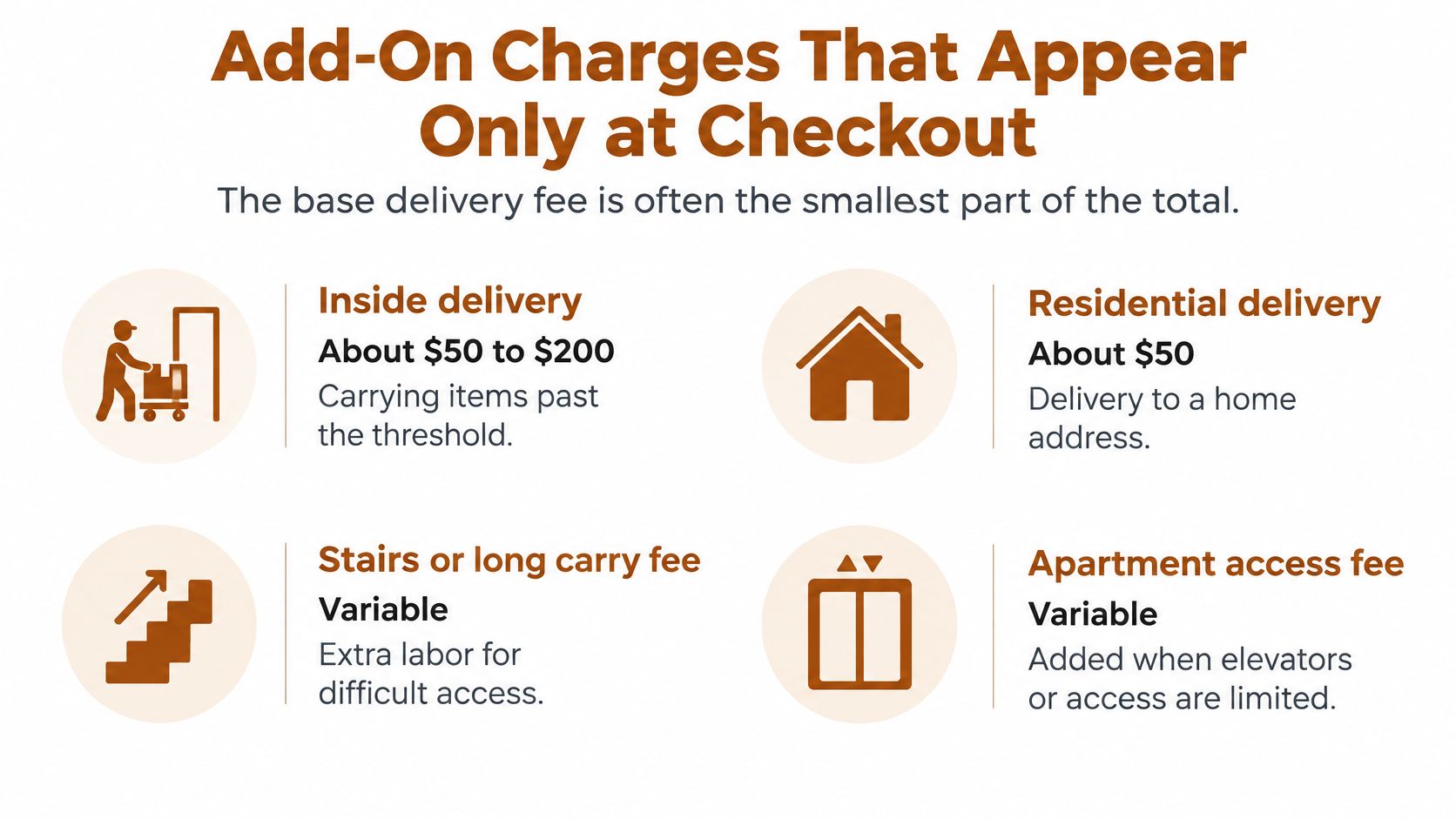
| Add-on | Typical added cost | When it appears |
|---|---|---|
| Inside delivery | $50 to $200 | Crew carries the item past the door |
| Residential delivery | $50 to $150 per location | A home address instead of a commercial dock |
| Residential and liftgate accessorials | $265 to $410 | Many consumer less-than-truckload furniture deliveries |
| Appointment scheduling | Quoted with the delivery booking | A set delivery window rather than a broad day |
| Redelivery | Charged as a second attempt | A missed window, failed access, or a second trip |
| Fuel surcharge | A percentage applied to the freight invoice | Added on the freight invoice |
| Insurance | Priced on the declared shipment value | Coverage offered or required at checkout |
| Freight reclassification | A higher line-haul rate | The item is moved into a higher freight class |
| In-home charge by order value | $159 to $279 | Billed in bands tied to the order total |
| Long-distance in-home fee | $399 | Can apply on long-haul deliveries |
Illustrative ranges for typical US residential furniture freight. Carriers set their own accessorial schedules, so confirm each line on the actual quote before paying.
Amseatec's checkout shows what this looks like when delivery scope is stated up front: eligible orders ship within the contiguous United States with Free Standard Shipping and no hidden shipping fees, while posted prices exclude taxes, shipping, handling, customs and import charges unless stated otherwise. Those conditions are set out in Amseatec's shipping, delivery and returns FAQ. For any seller, the product page supplies a starting figure and the order summary supplies the landed cost, and the landed cost is the number worth comparing across stores. Add the rows that apply to your address, then compare.
Pre-Delivery Checklist for Stairs, Doorways and Apartments
The failures that generate a second delivery charge are physical and predictable: a carton that won't turn a corner, an elevator that won't take the length, a gate code nobody has, an appointment nobody kept. Each one is preventable before the truck is booked.
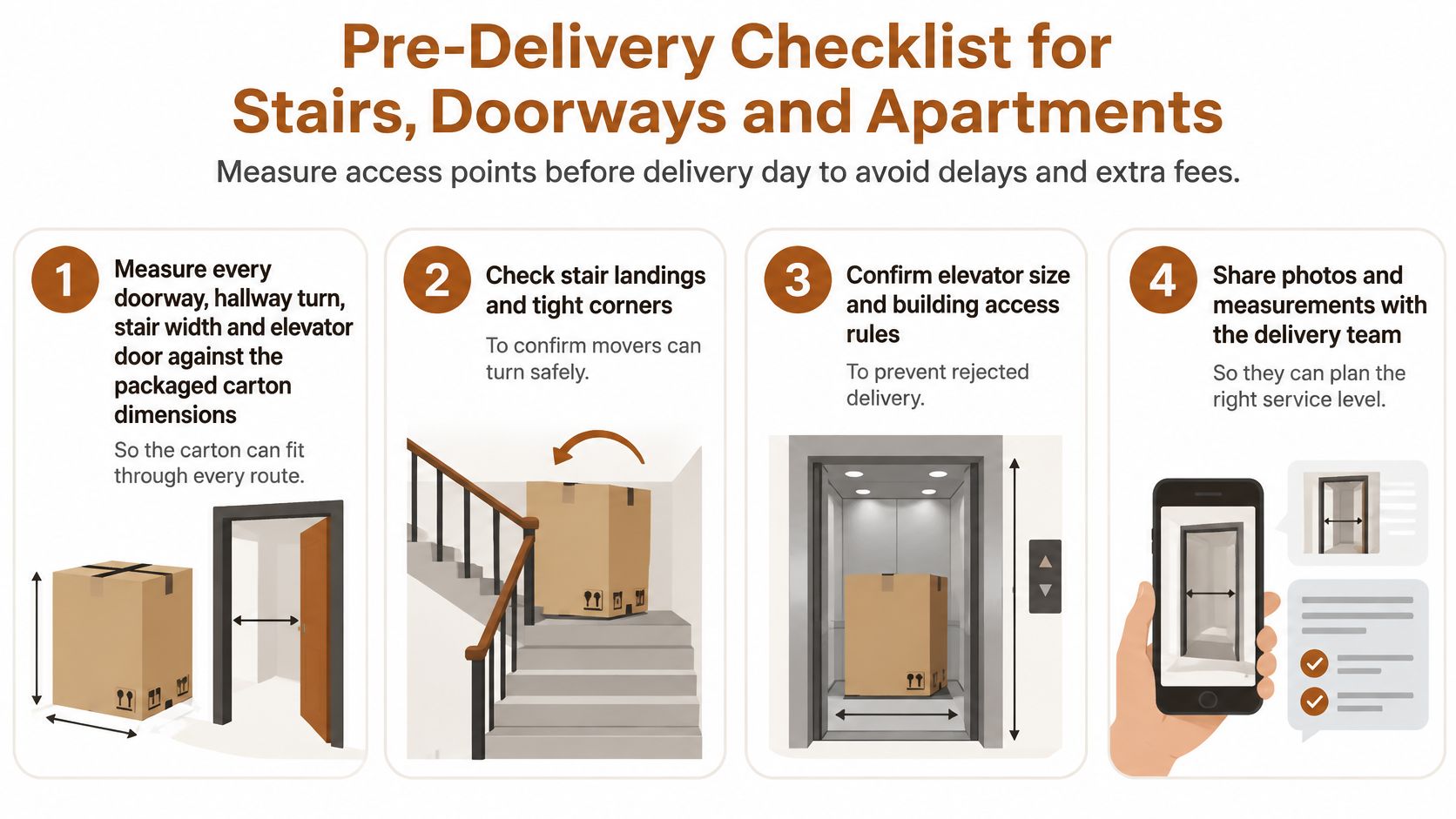
- Walk the route with the numbers in hand. Check your doorway widths, hallway turns, stair landings and elevator doors against the published dimensions for each model before ordering. A carton that can't pass forces a drop-off short of the room.
- Confirm the access type. Stairs, elevator, loading dock or ground floor, plus any building rule that restricts large deliveries during certain hours. Some buildings want the elevator reserved in advance.
- Enter the exact ZIP code. The residential zone and the distance from the distribution point are priced from it, so a rough city entry can underquote the fee.
- Ask where the quoted fee stops. Curb, lobby, doorway or room: get the endpoint confirmed before you accept the quote, because each step further in tends to be priced separately.
- Book a window you can keep. A missed appointment usually comes back as a redelivery charge.
- Inspect the carton before signing. Write visible damage on the receipt; a clean signature often leaves the dispute with the buyer.
- Photograph and report fast. Carton, label and broken part, same day, emailed with the order number.
- Check the parts list during assembly. Missing hardware is a separate claim from transit damage: report it by email with the order number and the missing part, and replacement hardware ships free.
Who pays when the stop fails? A missed appointment, a locked gate, stairs a crew won't climb, or an address a freight carrier can't reach is commonly billed back as redelivery or an access fee rather than absorbed in the first quote. Ask which party covers a second attempt before the truck is booked.
If the carton is crushed, wet or open, inspect it before signing, since insurance selected at checkout is what covers transit damage. Amseatec asks that damage or missing-part claims be emailed within 48 hours of delivery with the order number and photos of the damage or the box; replacement parts or a new item then go out at no charge. If a return follows instead, an assembled chair has to be carefully disassembled and packed into the original packaging with every part, accessory and piece of hardware before it goes back.
Free Shipping Versus the Quote You Should Accept
A free delivery that abandons a heavy carton at the curb of a walk-up can cost more in time, damage risk and replacement hassle than a paid delivery that carries it inside. That gap is the comparison worth making.
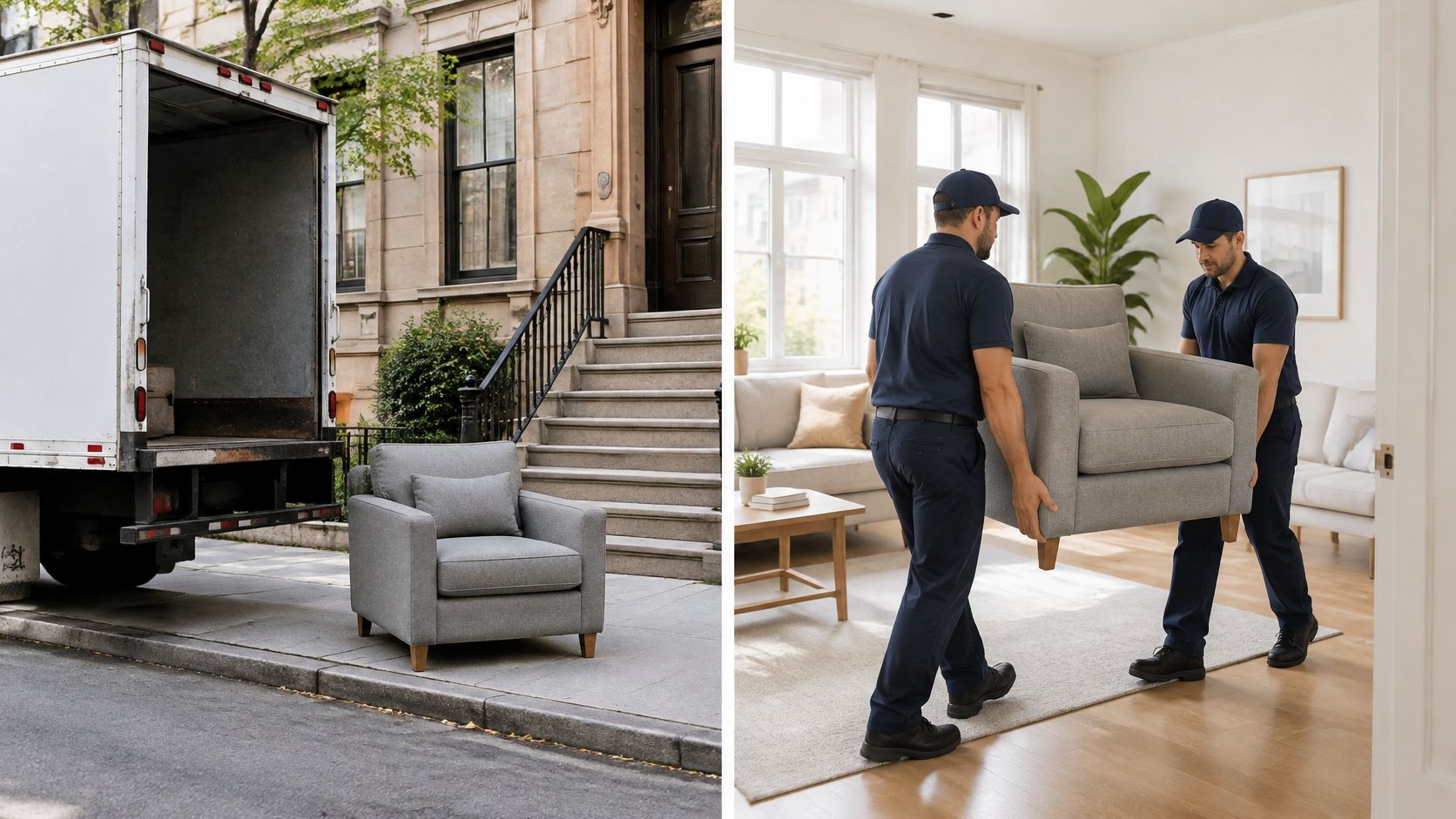
Shipping typically takes a meaningful share of a furniture product's selling price, and the share climbs for inexpensive bulky pieces. A free-shipping offer is therefore a pricing decision funded through product price, promotional margin or average-order economics.
The transport cost sits in the item price.
Three numbers to add before you compare two carts
- The item price plus the base delivery tier. Keep them as one number, because a cheaper chair with a freight surcharge is often the more expensive chair.
- The accessorials your building needs. A liftgate, stairs, a remote address, or an appointment window. These are the charges that separate two quotes for the same product.
- Taxes and any insurance. Neither shows up in a headline fee, and both land on the final total.
Free standard delivery usually ends at the entrance. A paid tier buys what the free one leaves out: room placement, assembly, packaging removal. Price both versions before deciding, because the gap between tiers is often smaller than the cost of arranging help after a curb drop-off.
Treat the quoted delivery window as an estimate. Our own standard service is free delivery in 2 to 3 business days across the contiguous United States, shipped from local warehouses, and those delivery times are estimates only and are not guaranteed, as set out on our shipping and delivery page.
Which quote to accept: the lowest total landed cost whose included services match the entrance, stairs and elevator you've already measured. Even a listed price or shipping charge can be corrected if it was posted in error, so get any missing inclusion, whether that's room placement or a threshold drop-off, confirmed in writing before you order.
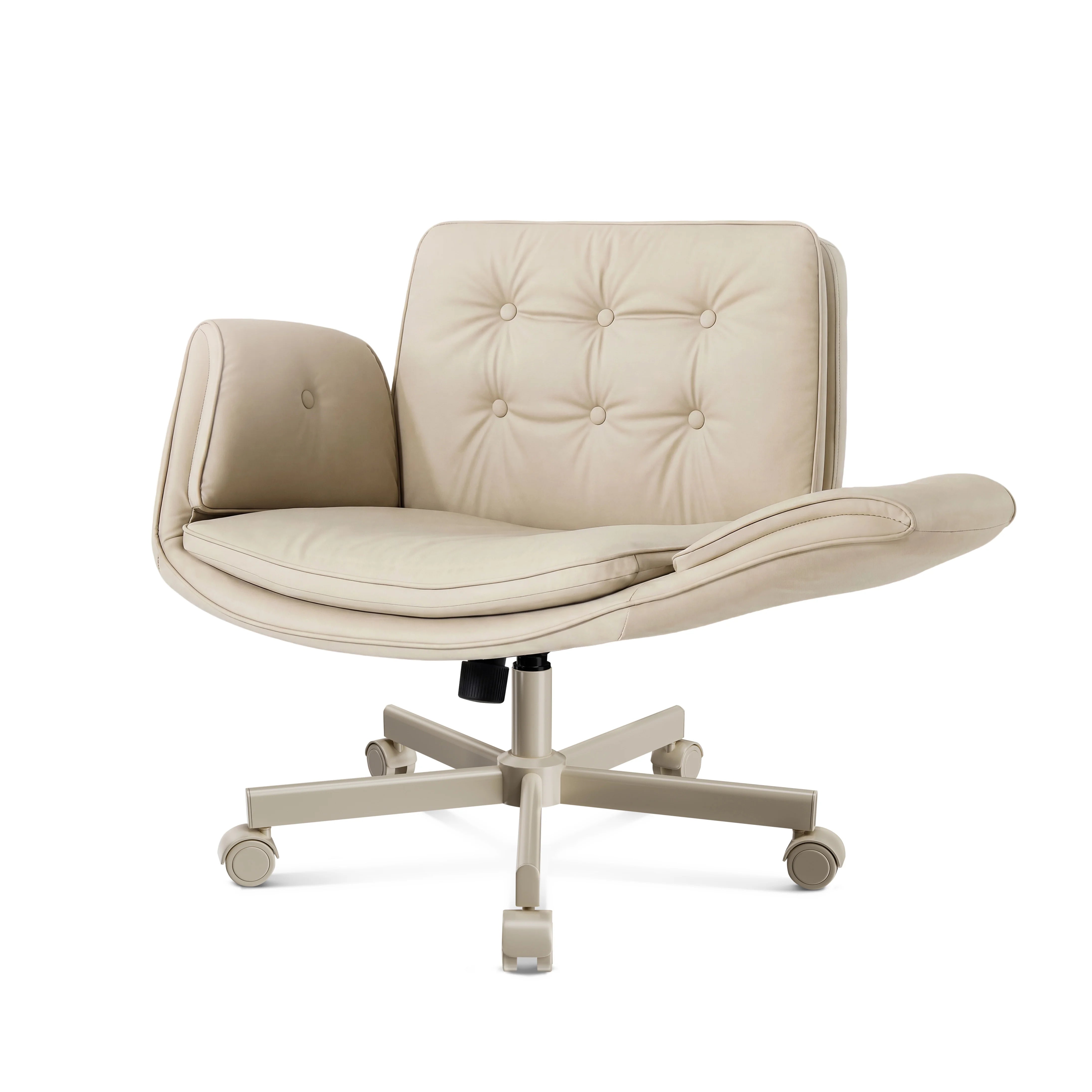
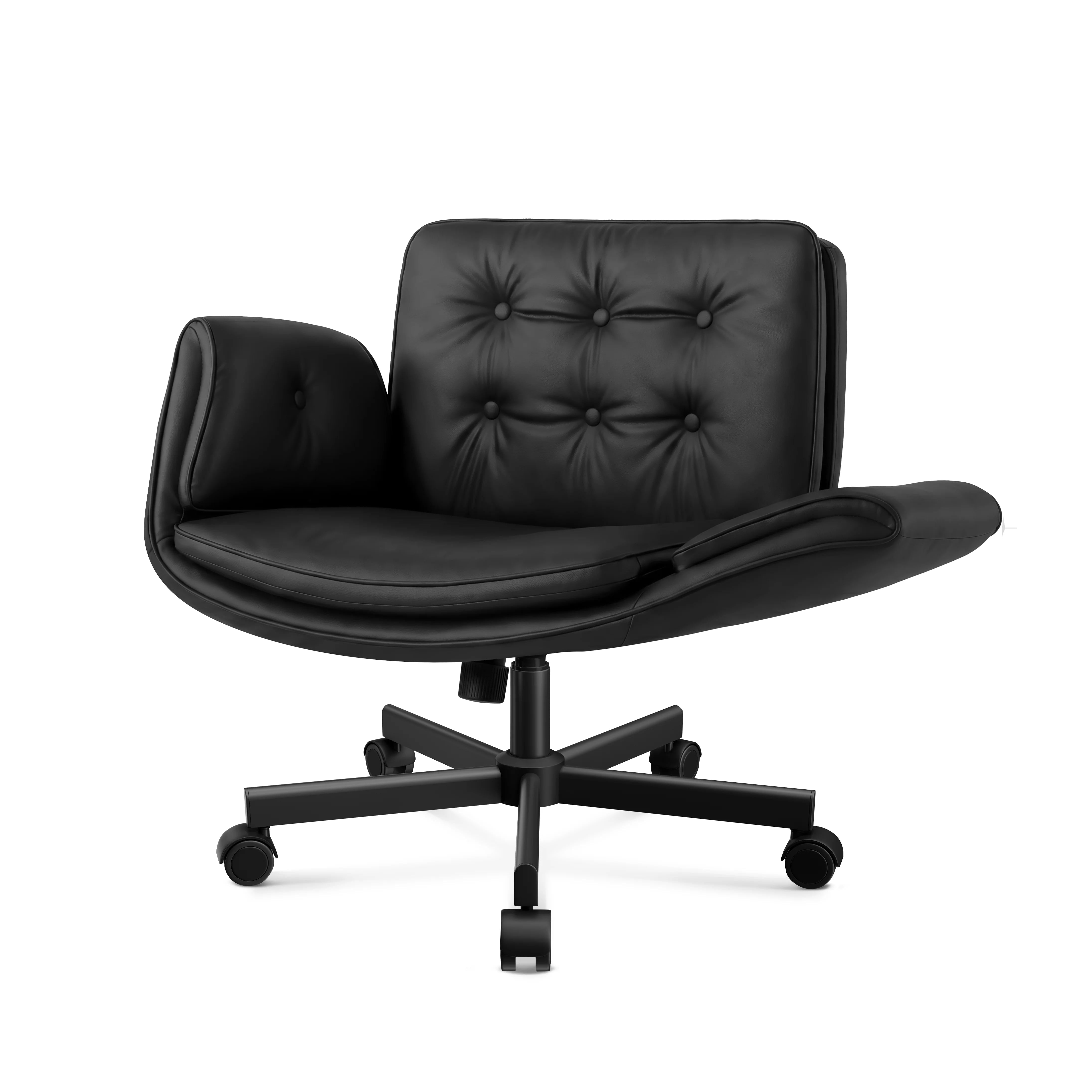
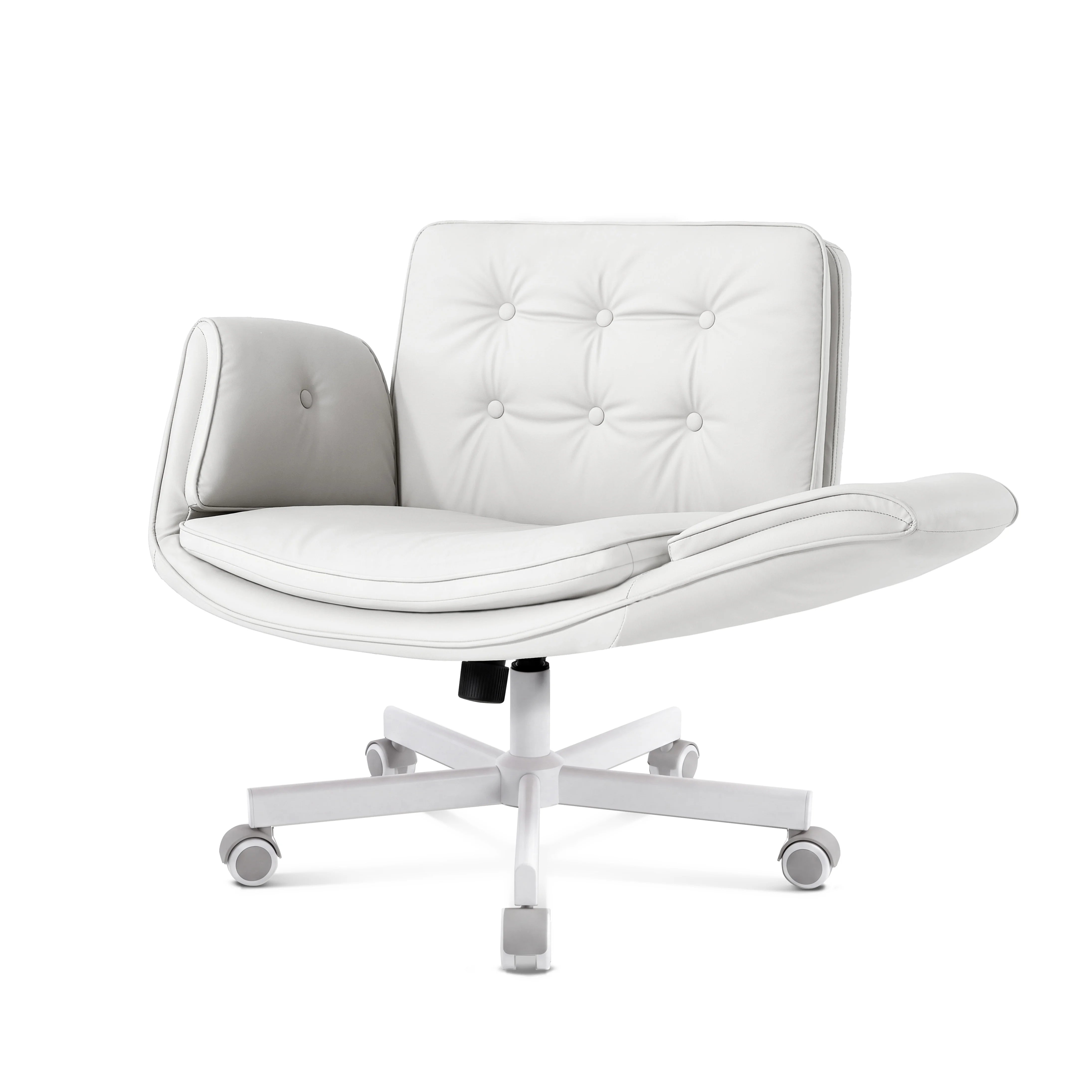
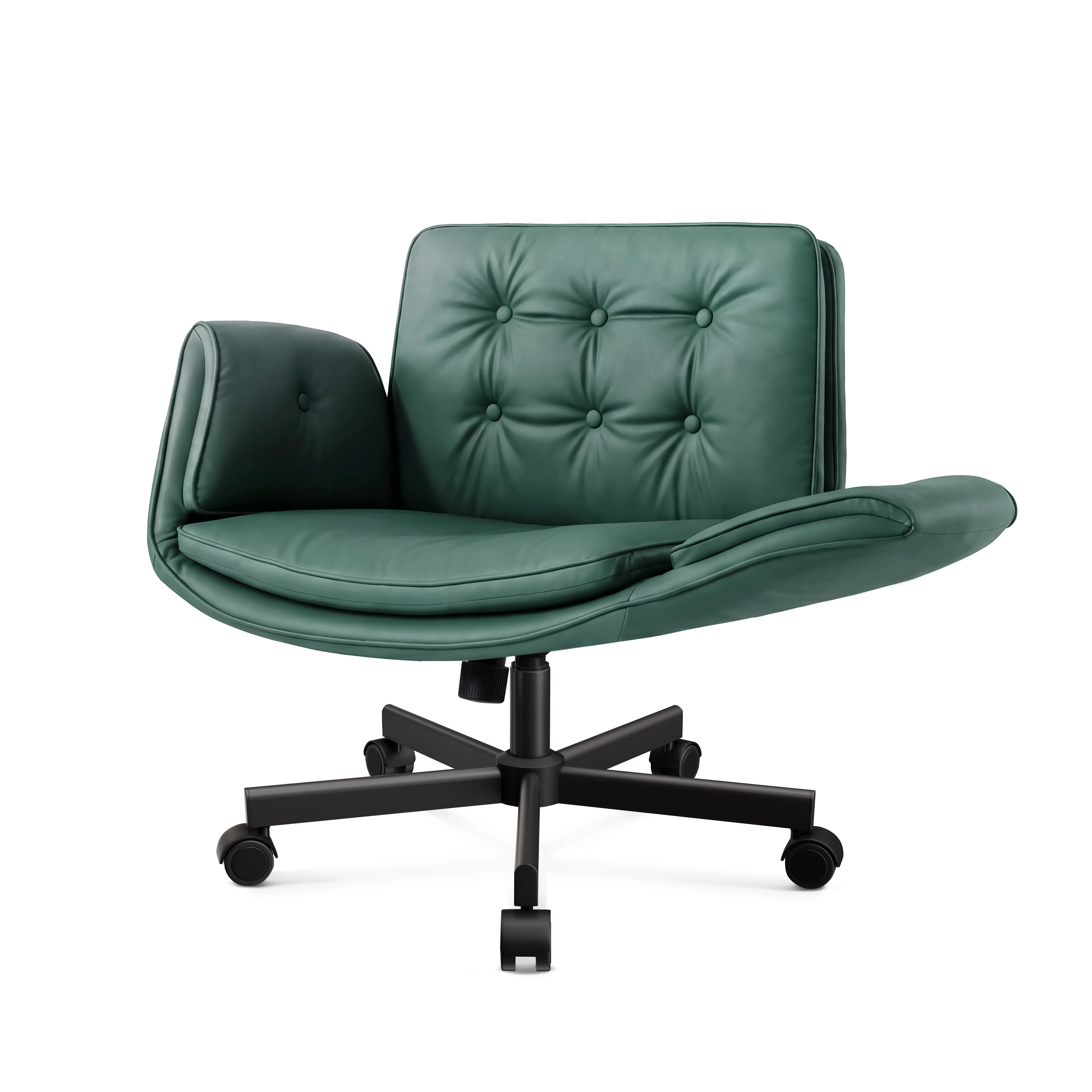
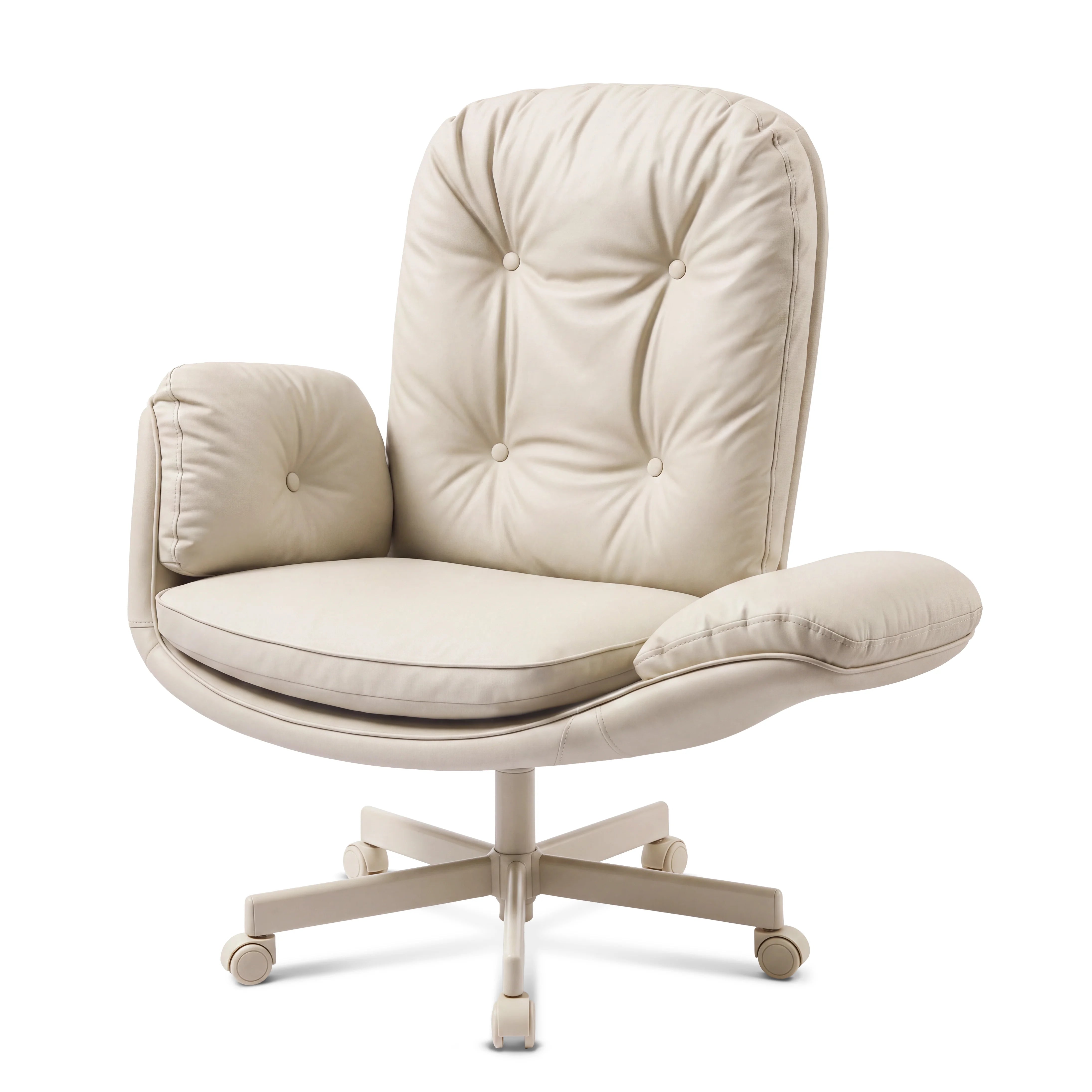
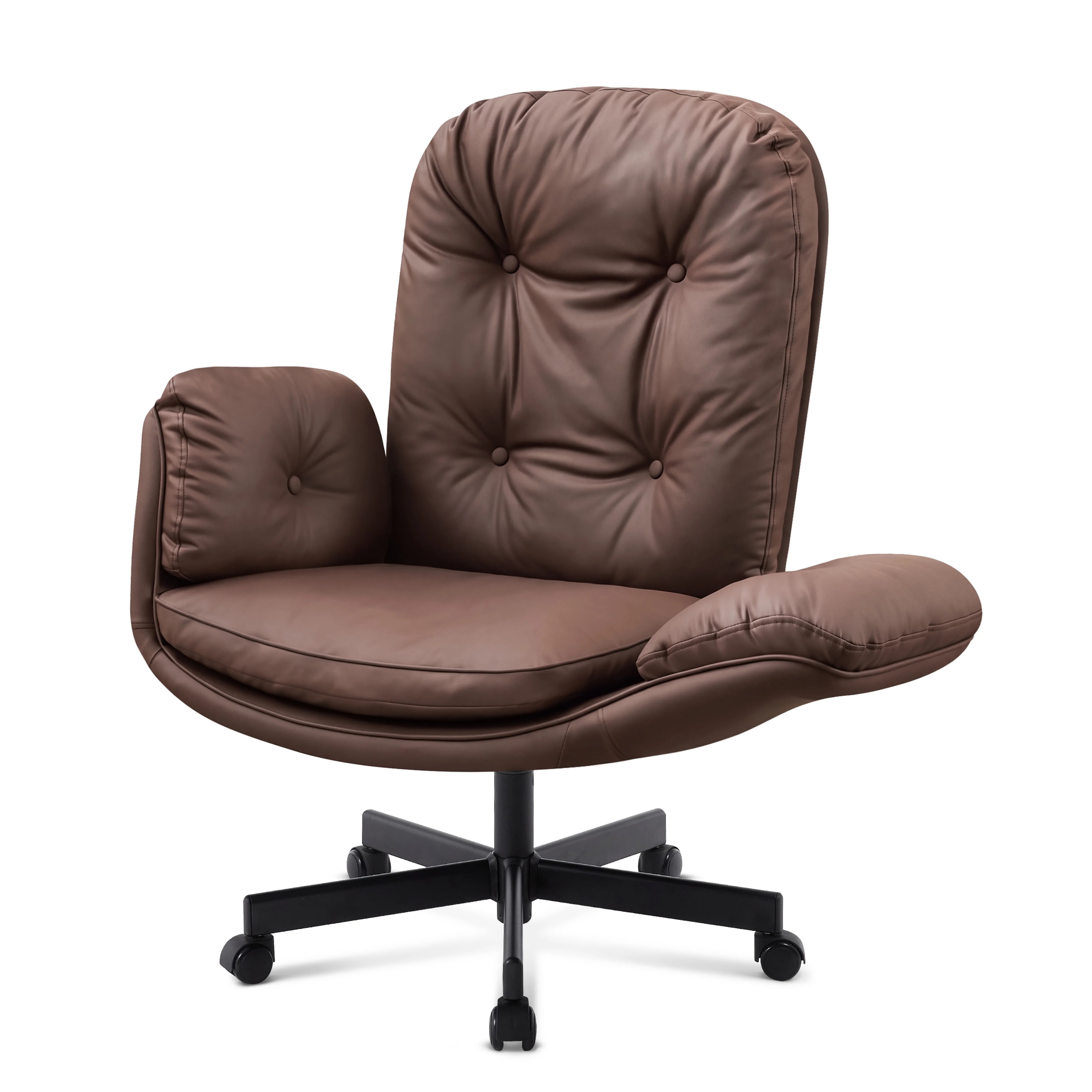
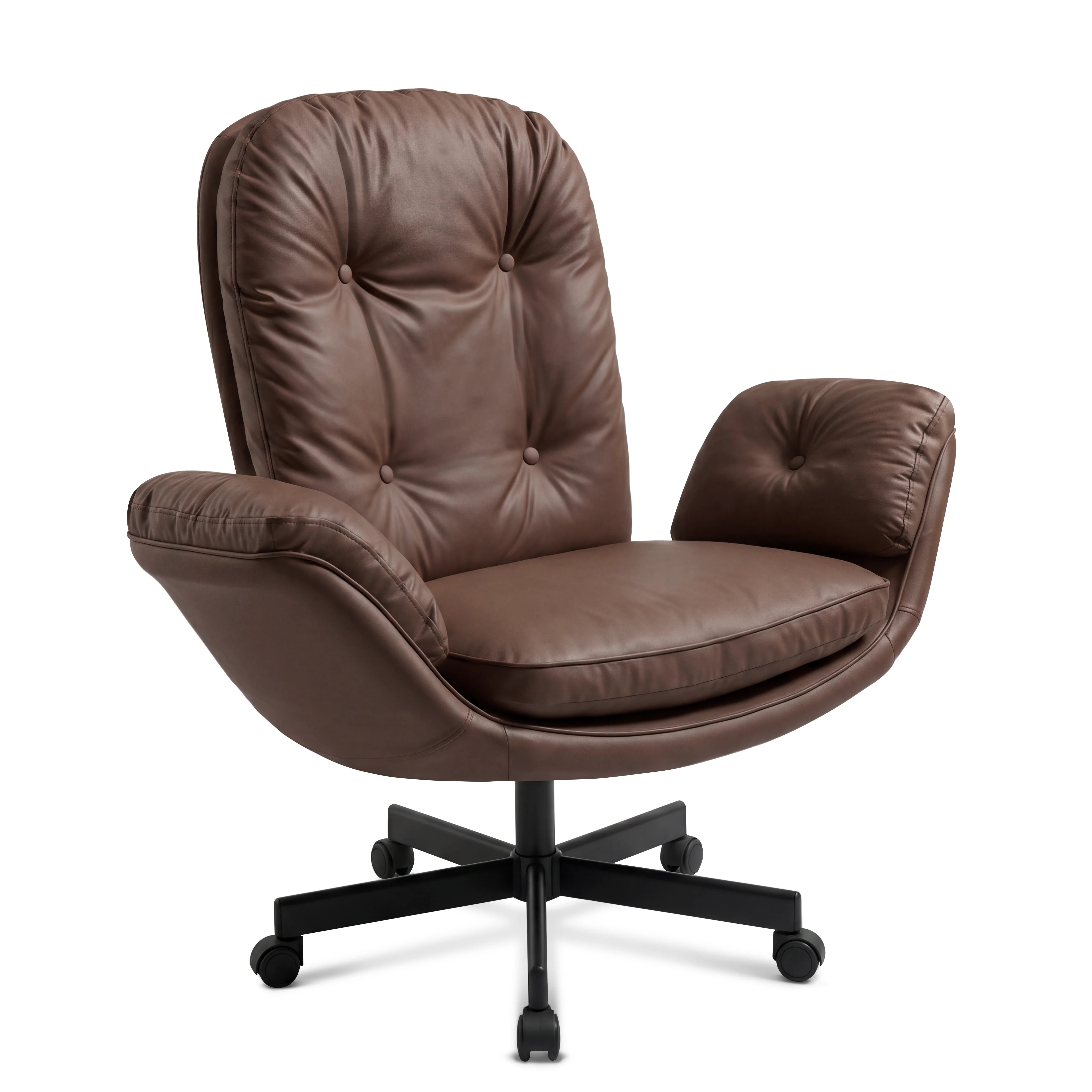
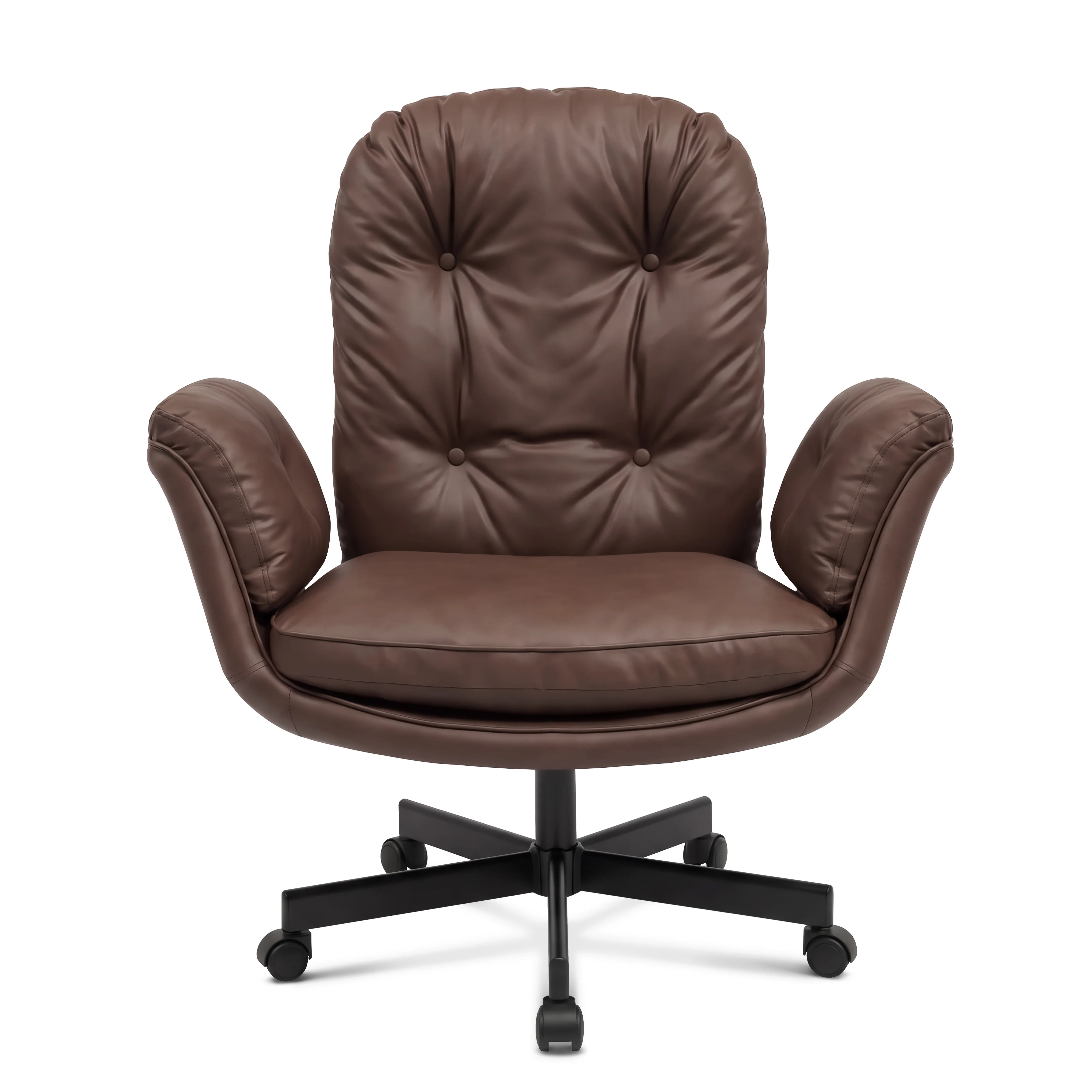
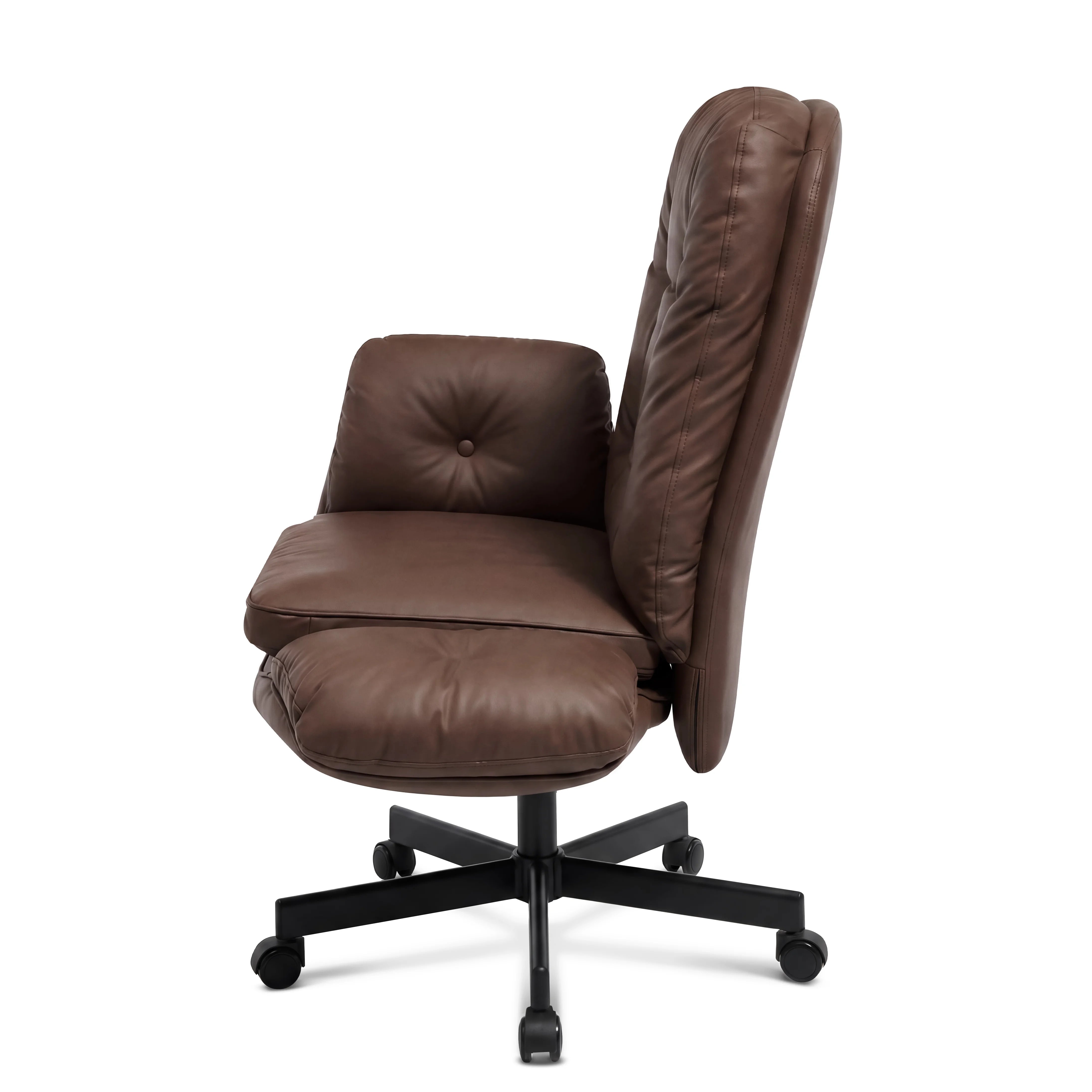
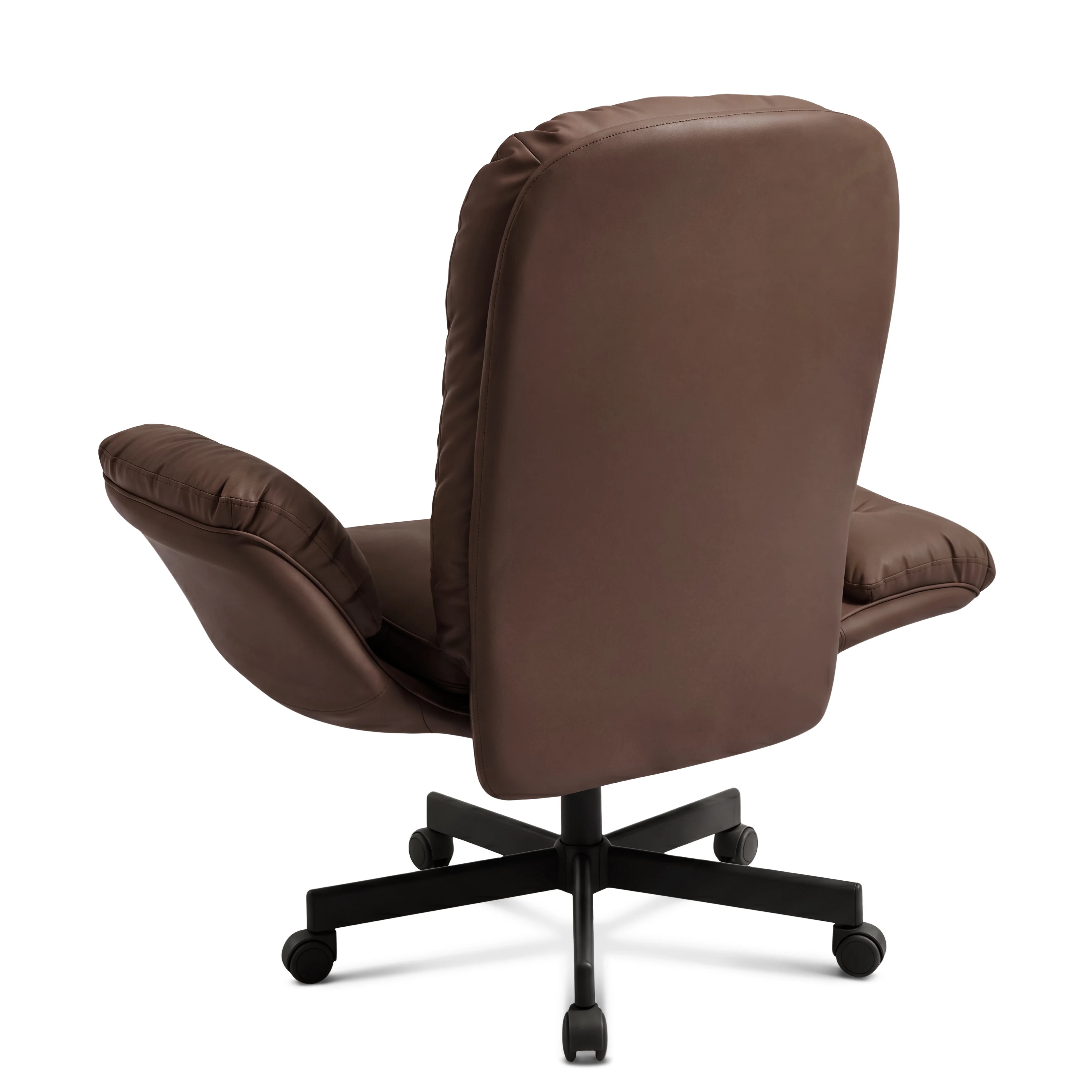
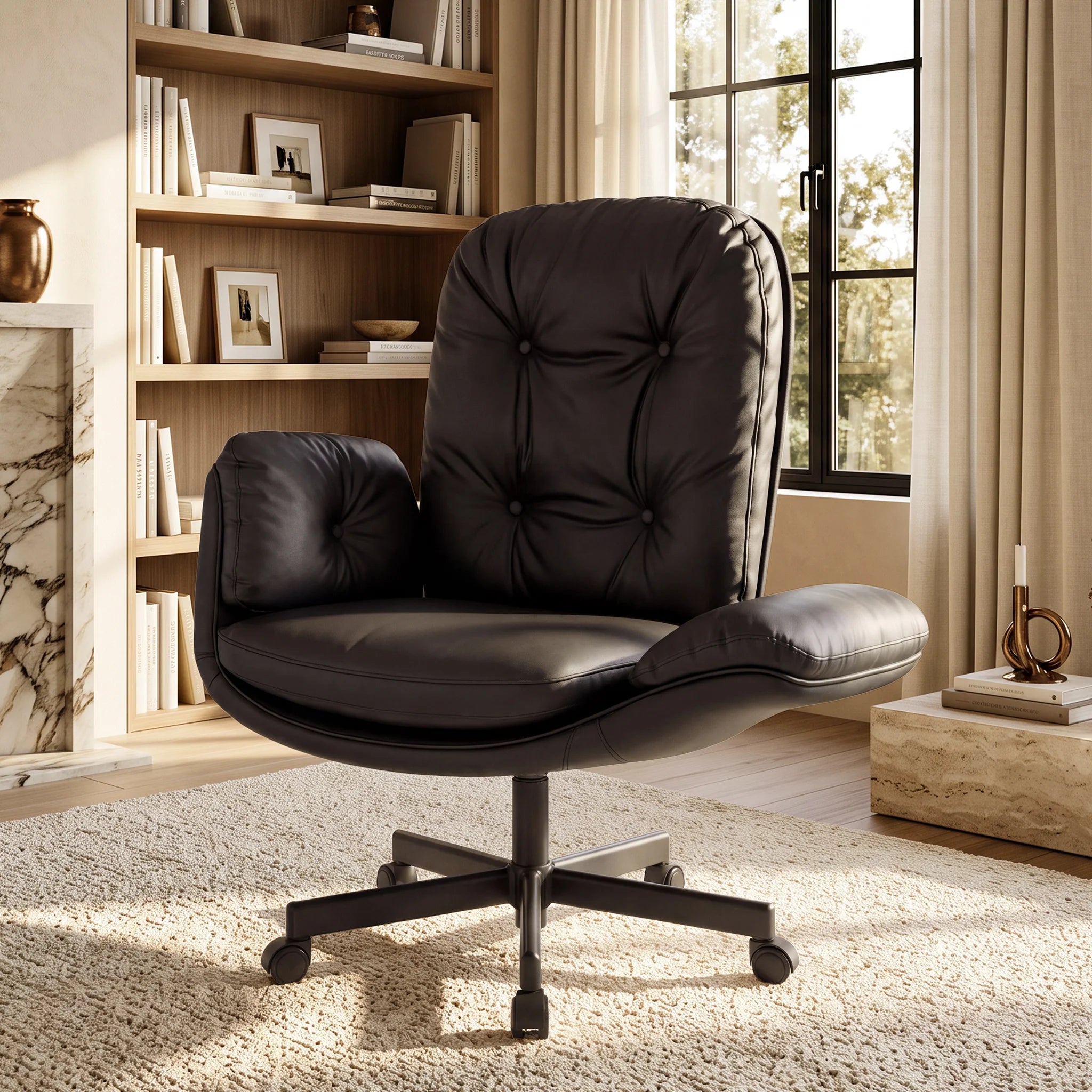
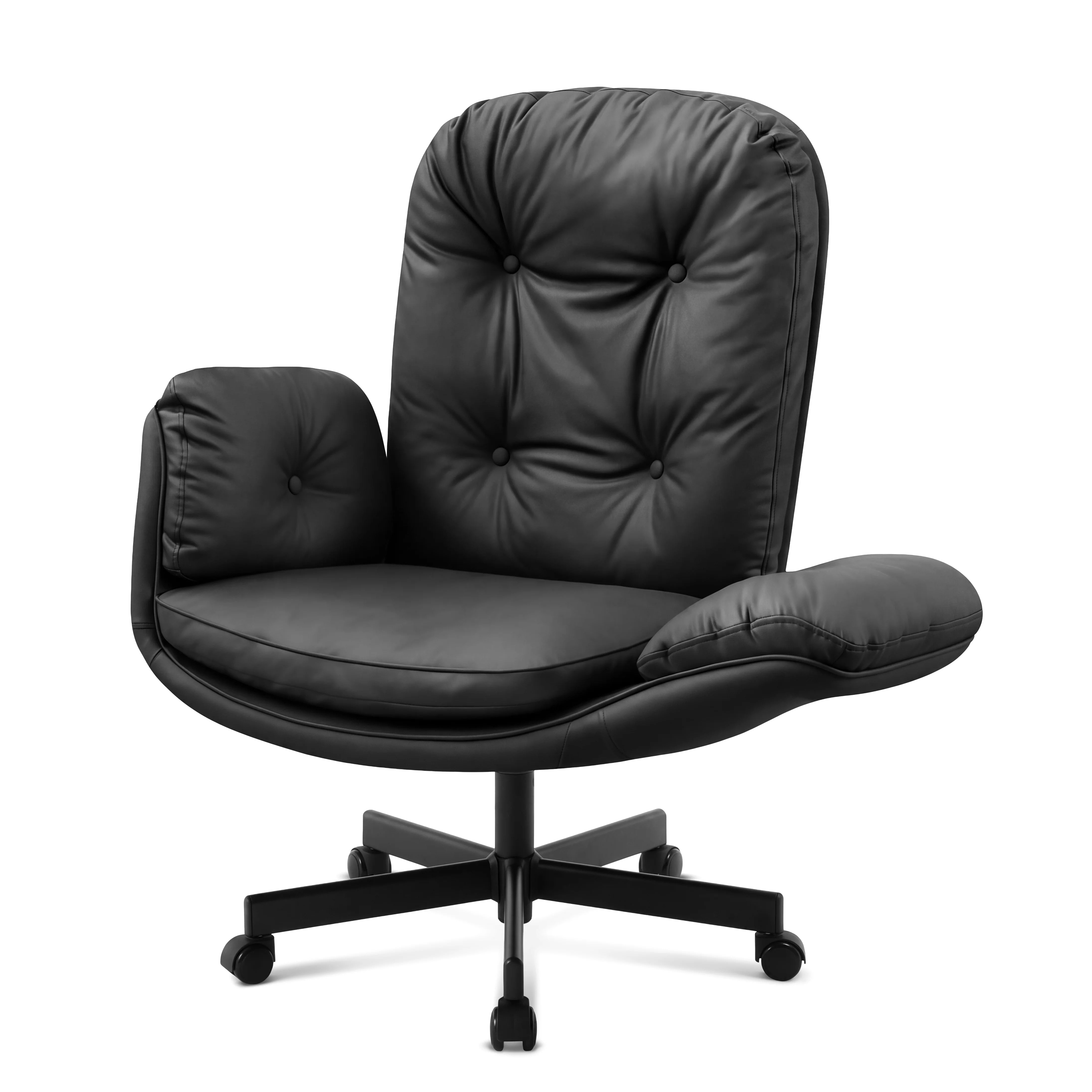
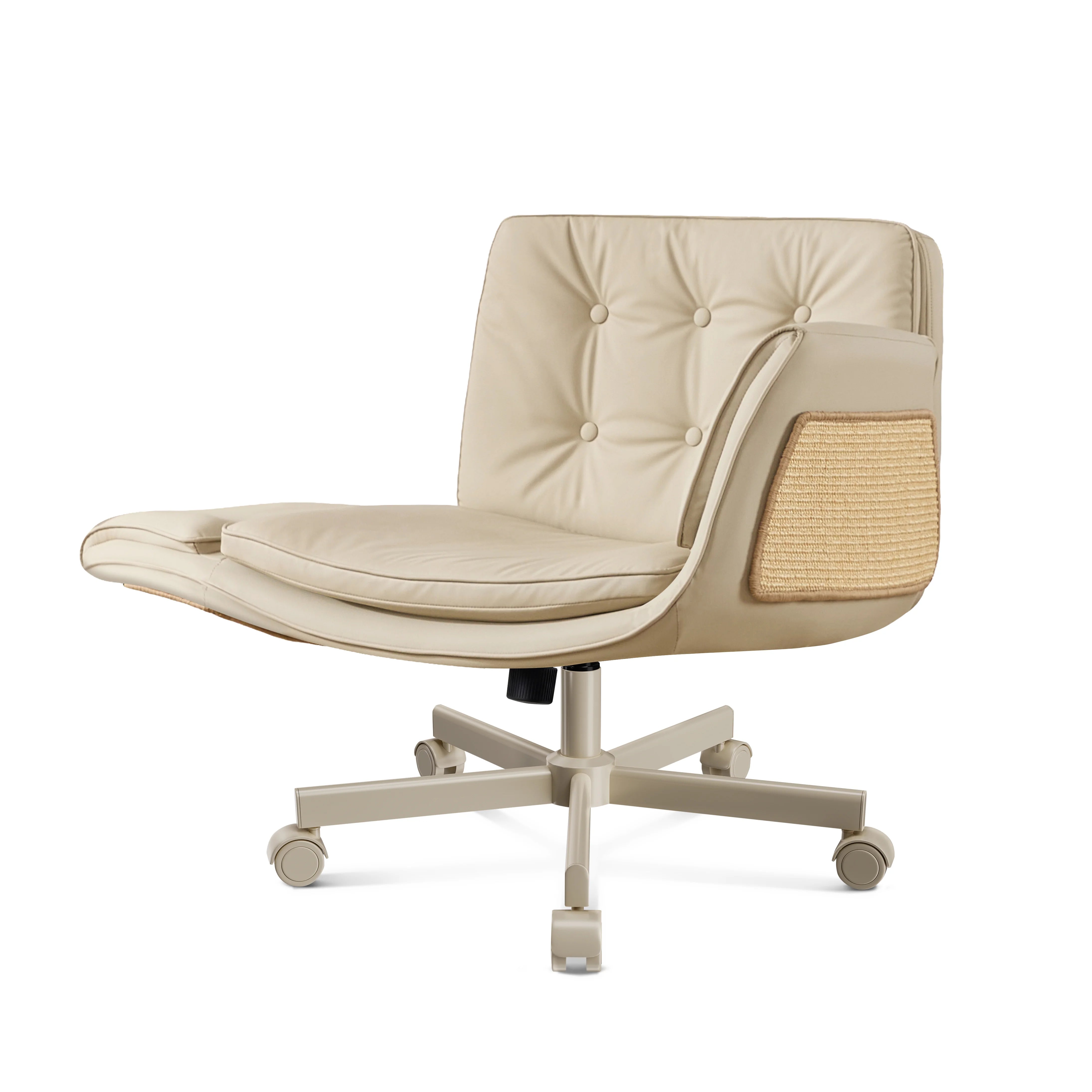
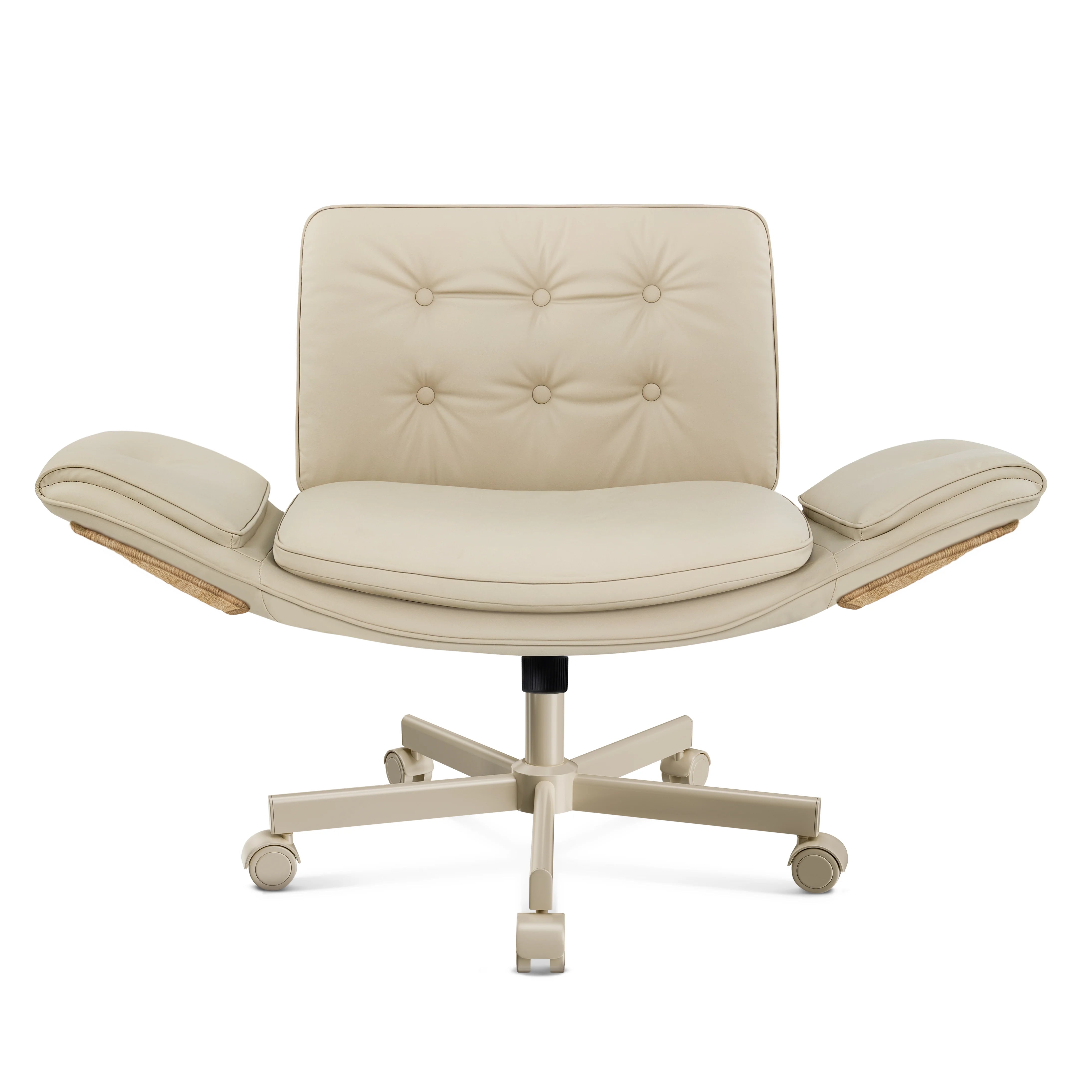
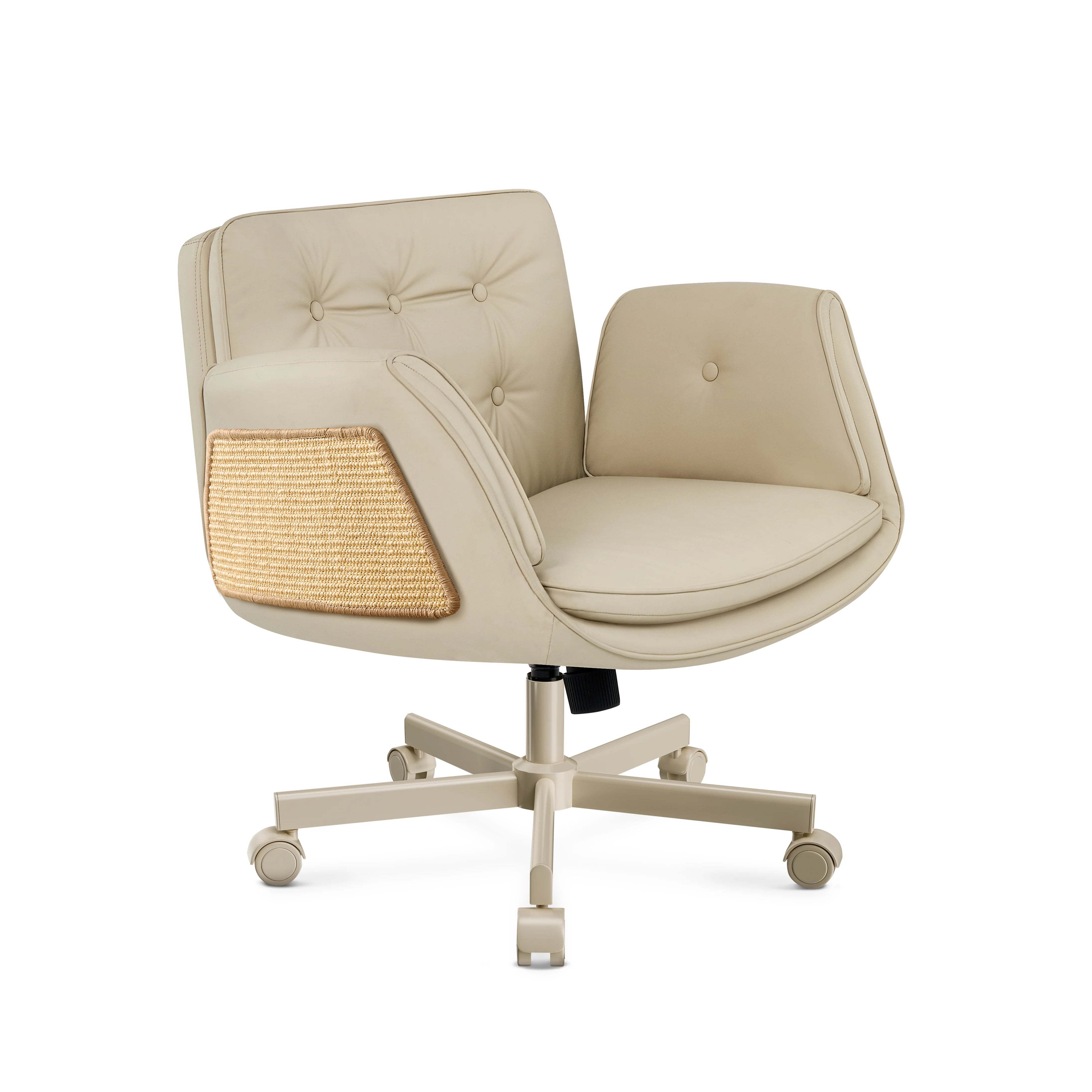
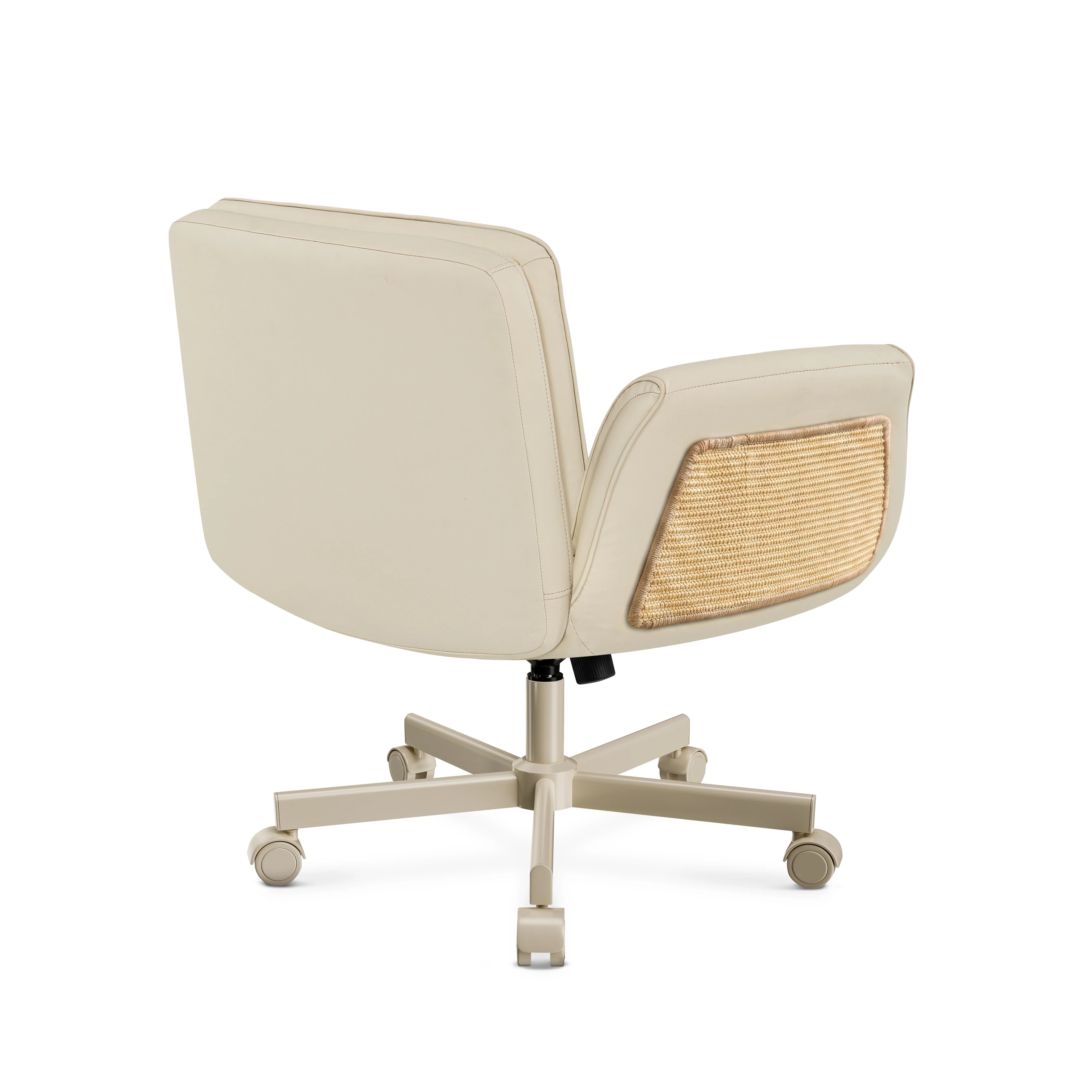
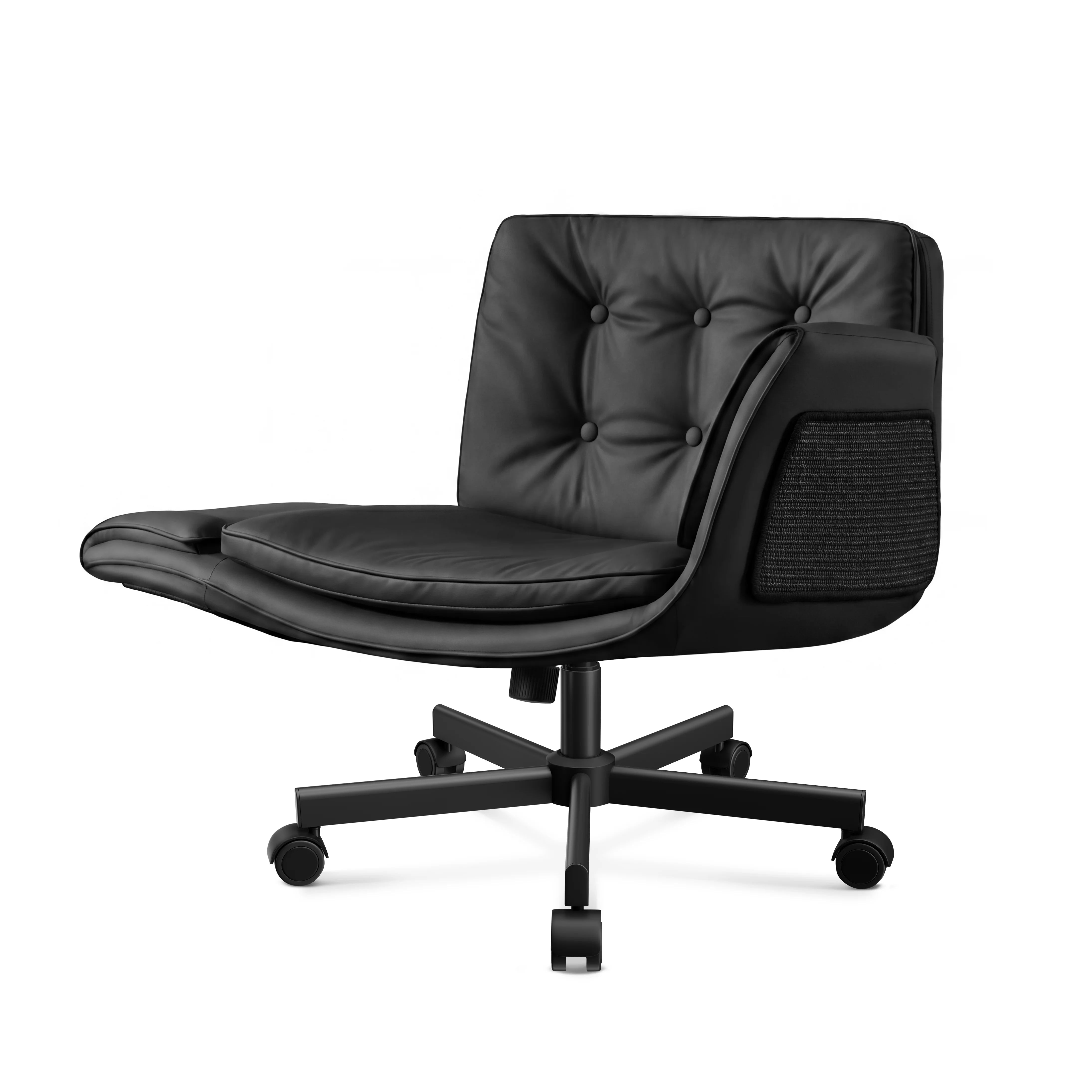
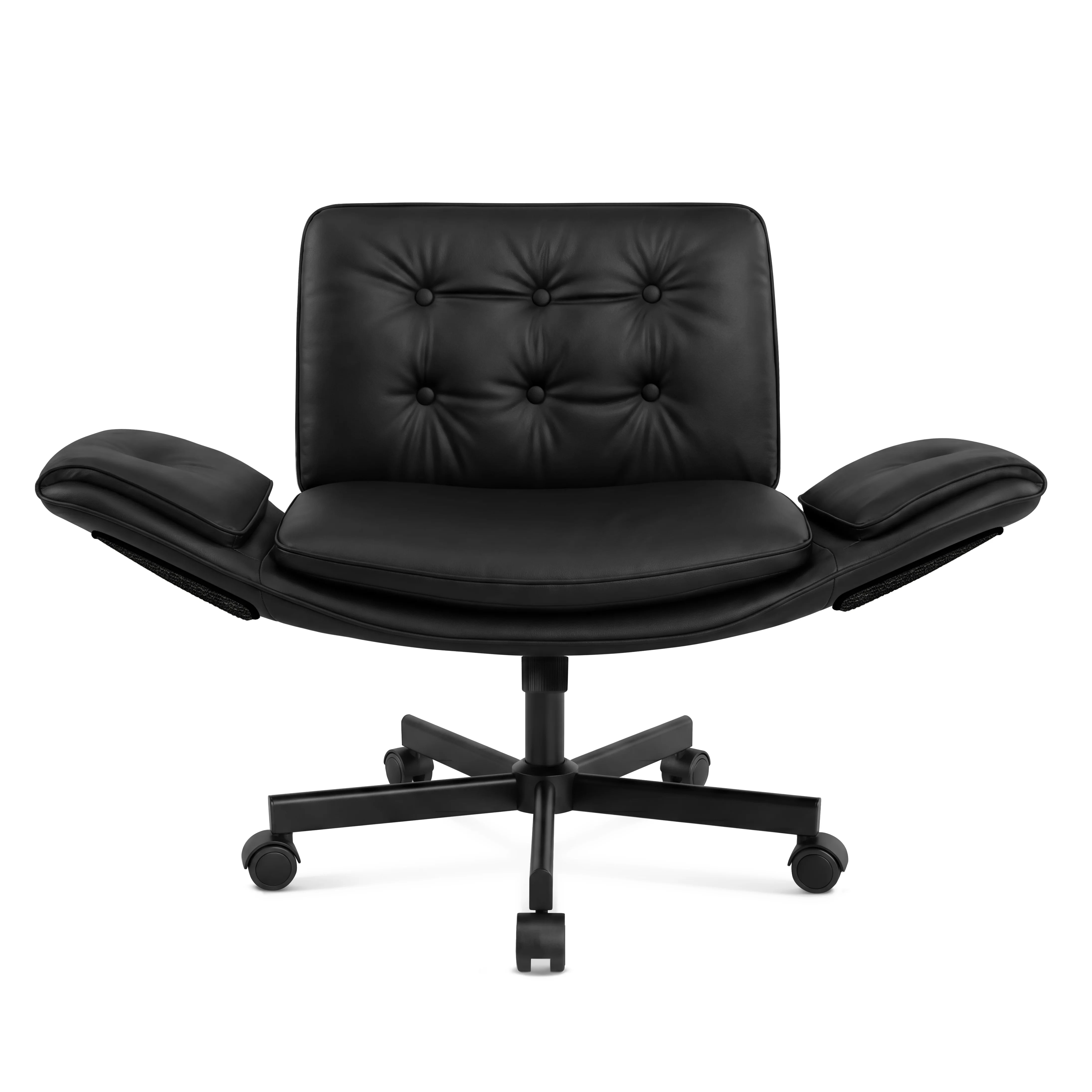
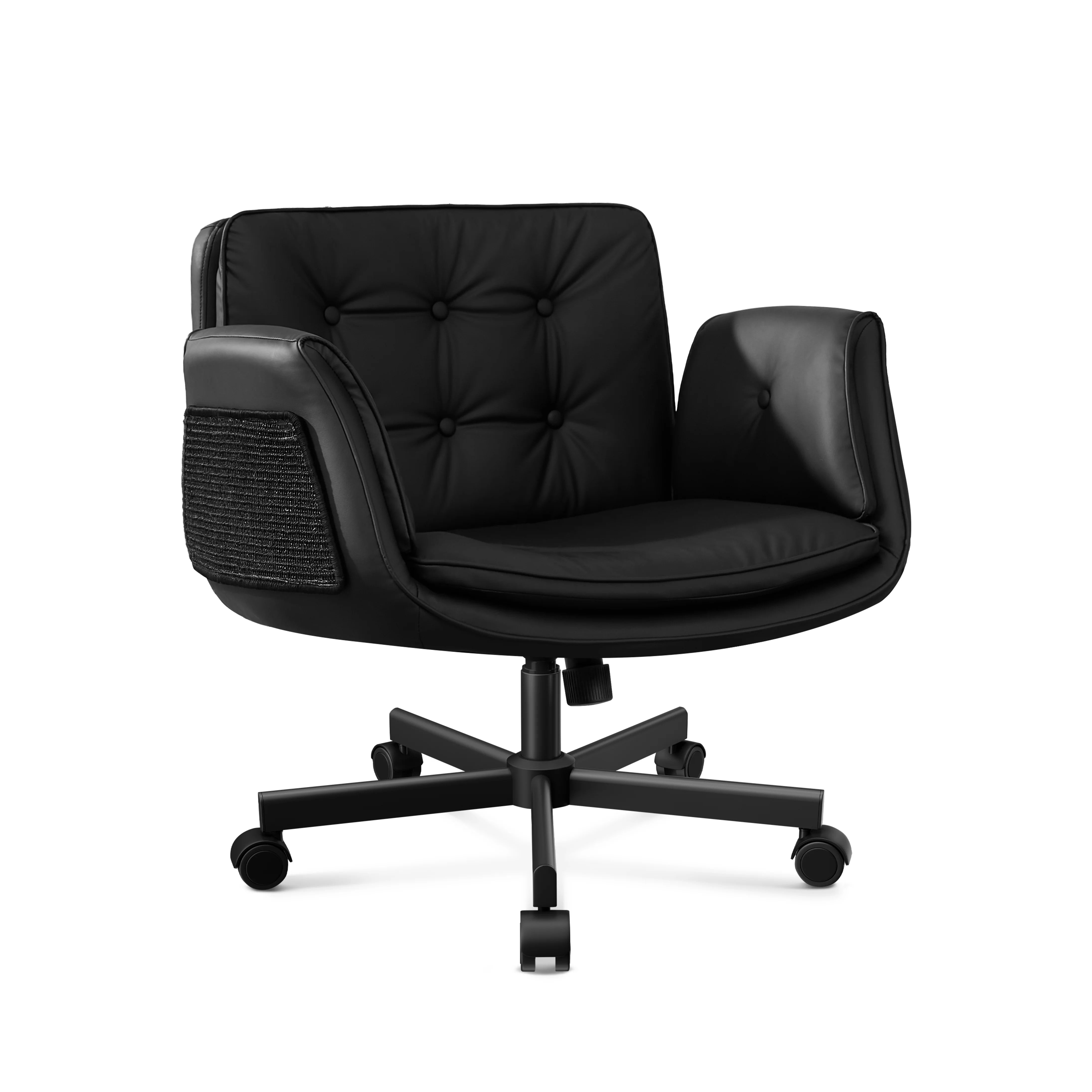
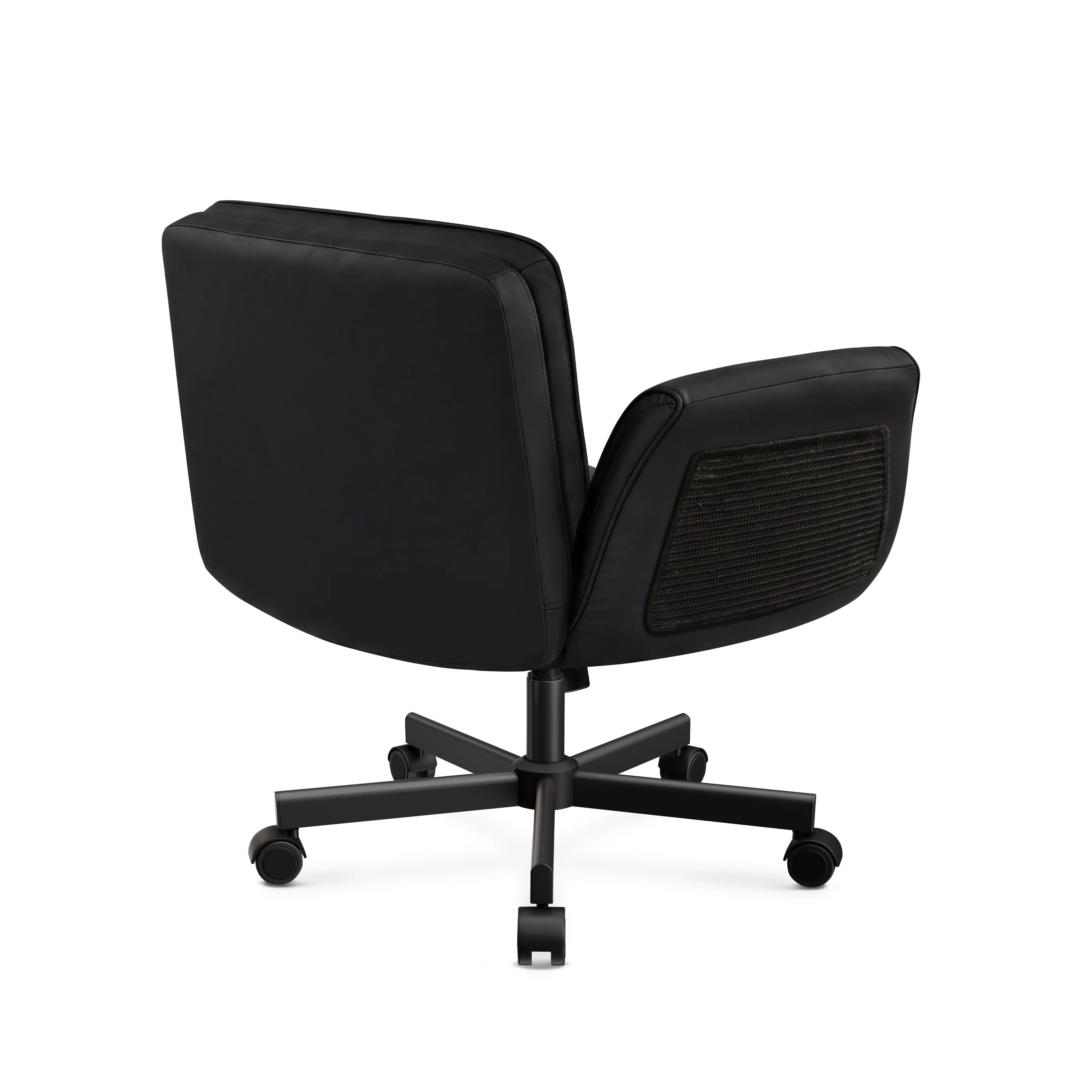
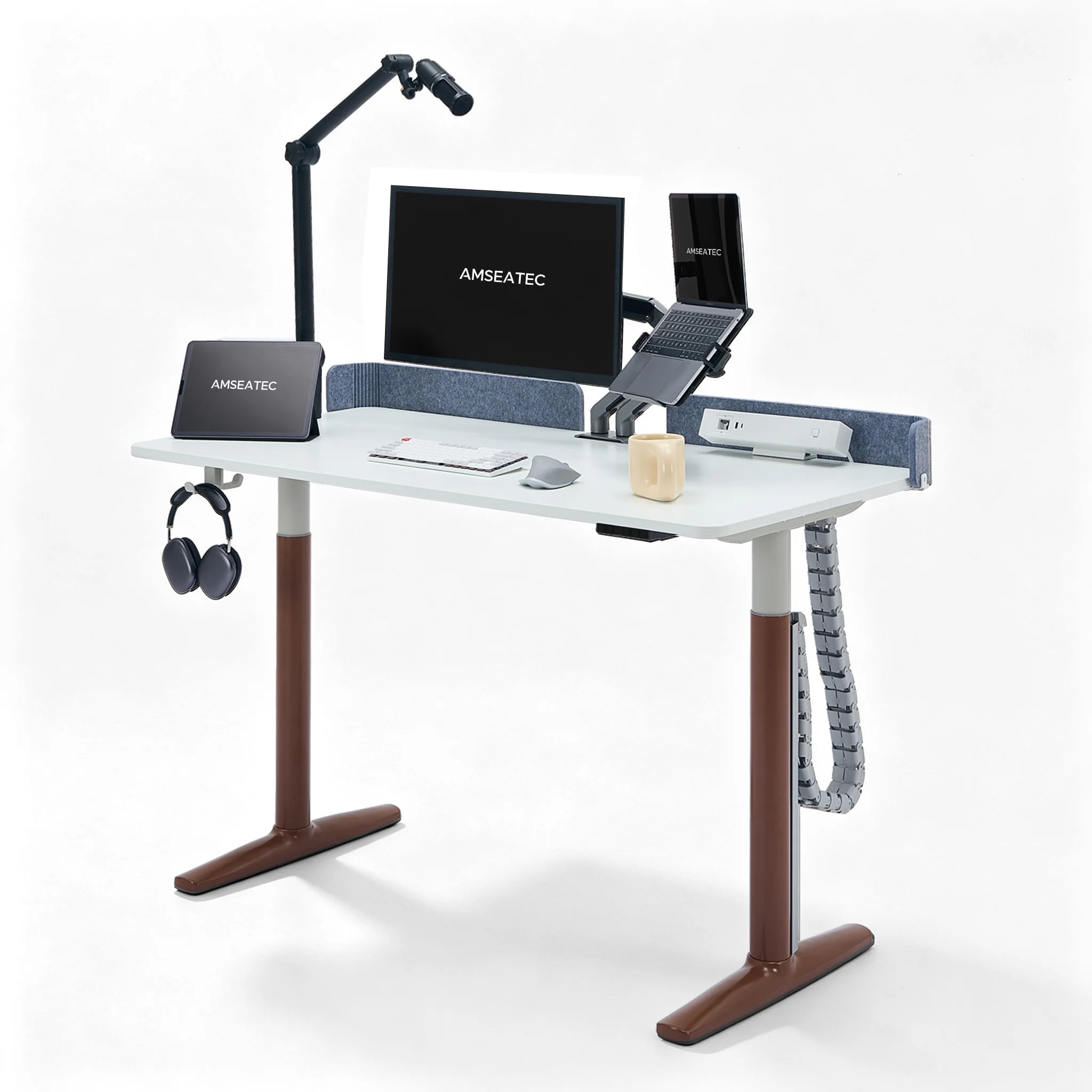
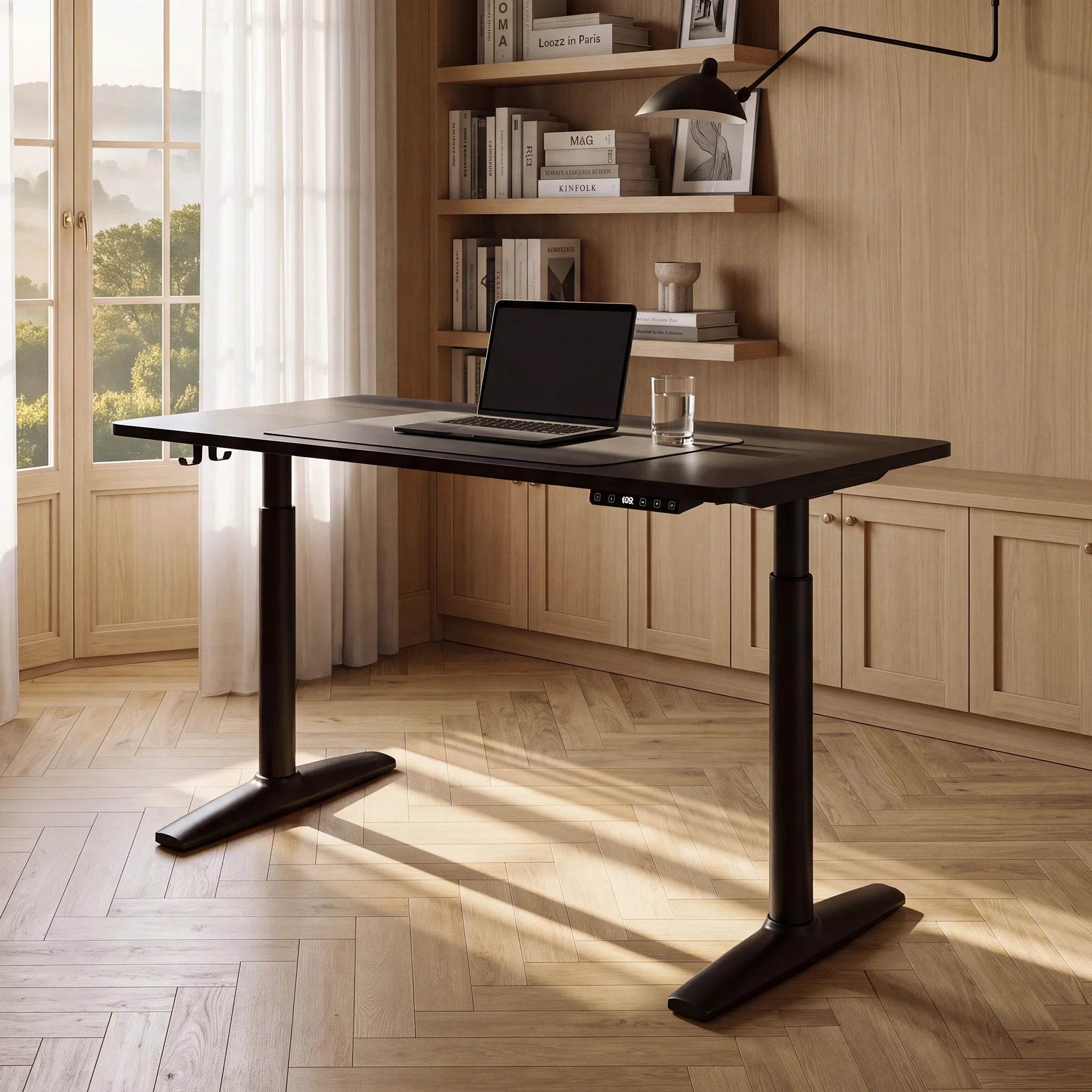
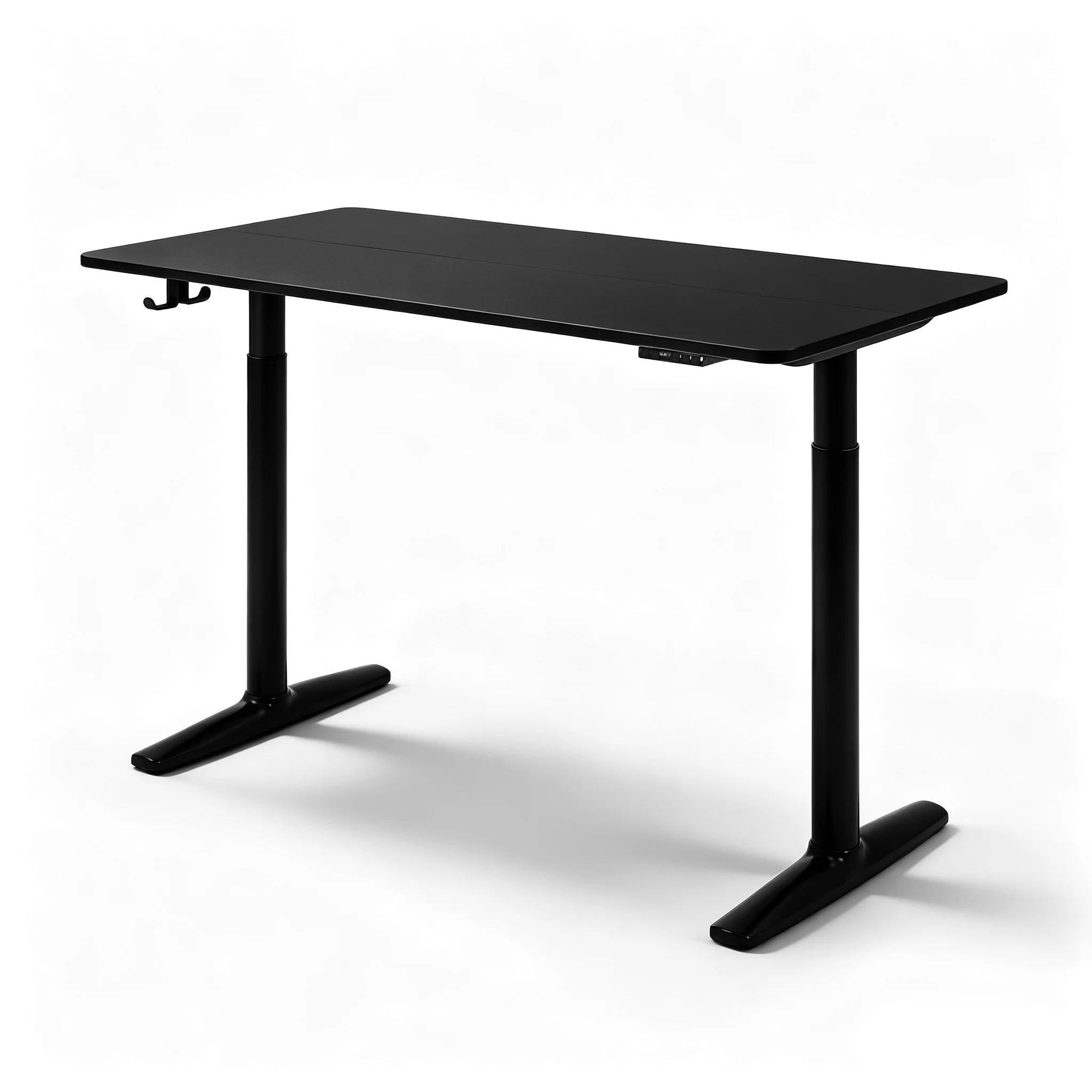
Amseatec sells wide-format seating and electric standing desks for home workspaces and currently ships only within the contiguous United States, with free delivery in 2 to 3 business days from local warehouses, so shipping adds nothing to the order total. The range runs from criss-cross chairs built for changing sitting positions to the powered Rhythm Desk, each sized for a residential workspace. Check the dimensions and delivery terms for each model at Amseatec before you order.


