





























You've got a cat that treats the left arm of the sofa as a scratching post, or a dog whose coat leaves a grey shadow on the seat cushion within a day of vacuuming. Maybe the fabric near the seam has stopped smelling clean no matter what you spray on it. You aren't shopping for new furniture because you want to. You're shopping because the current piece lost a fight you didn't know was happening.
Here's the part that gets missed in most buying guides: "pet friendly" isn't a material, it's a match between a fabric's weak points and your animal's habits. A weave that shrugs off claws can trap odor. A surface that wipes clean in seconds can show every scratch mark. The job is finding the compromise you can live with, then verifying it with specs instead of marketing language.
This walkthrough goes from a quick comparison of the common materials to the numbers, codes and disclosures that separate a real specification from a label.
Table of Contents
- Pet-Friendly Furniture Materials at a Glance
- Why Pet Homes Wear Furniture Differently
- How to Judge Claw and Wear Resistance
- Cleaning Codes and Chemical Disclosures to Check
- Match the Material to Your Pet's Biggest Mess
- Confirm These Specs Before You Order
Pet-Friendly Furniture Materials at a Glance
Start with the comparison. The ratings below are general guidance for each material family, not lab results for a specific product, so a well-made version of a mid-tier fabric can beat a badly made version of a top-tier one.
| Material | Claw resistance | Cleaning ease | Hair release | Best fit |
|---|---|---|---|---|
| Tightly woven performance polyester | High | Easy, wipes or removable cover | Good | Dogs and cats on shared seating |
| Polyurethane (PU) faux leather | High | Very easy, wipes in seconds | Excellent | Spills, drool and cats |
| Genuine leather | Medium to high, scratches show as marks | Easy with conditioner | Good | Long-lived frames and owners who accept patina |
| Tight-weave microfiber | High | Easy | Good | Mixed households |
| Wool blend | Medium | Medium, spot clean | Medium | Lower-activity homes |
| Cotton or linen blend | Low to medium | Medium, stains absorb | Poor, hair clings | Homes with few pets |
| Corduroy | Low, wide wales snag | Medium | Poor | Light use only |
| Velvet or loose-pile chenille | Low, pile snags | Hard, needs regular vacuuming | Poor | Not recommended with claws |
Why the top rows work. Tightly woven performance polyester and tight-weave microfiber succeed because of construction, not chemistry. The yarns interlock, so there's no loop standing up for a claw to hook into and no pile for hair to weave itself around. A rubber brush or plain suction nozzle lifts most of what lands on them. PU faux leather has no weave to damage at all: hair sits on the surface, drool stays on top, and a damp cloth finishes the job in seconds rather than minutes.
Genuine leather is a different bargain. Cat and dog nails don't tear it, but they do leave marks, especially on soft aniline finishes. Pigmented and protected hides hide more. If a patina of light scratches bothers you, this is the wrong row.
The bottom rows fail predictably. Corduroy's raised wales give a claw a running start and the ridges hold shed hair. Velvet and loose-pile chenille are comfortable and quiet and completely wrong for a home with claws, because the pile both snags and collects. Cotton and linen look wonderful in a showroom and drink spilled water, pet accidents and drool.
Interest in getting this right is not niche. In 2024, 34% of surveyed pet owners said pet-friendly products and materials influenced their home-upgrade decisions, according to Houzz.
Your first move is to shortlist two or three materials from this table that match how your animal behaves, then put them through the checks in the sections below before you spend anything.
Why Pet Homes Wear Furniture Differently
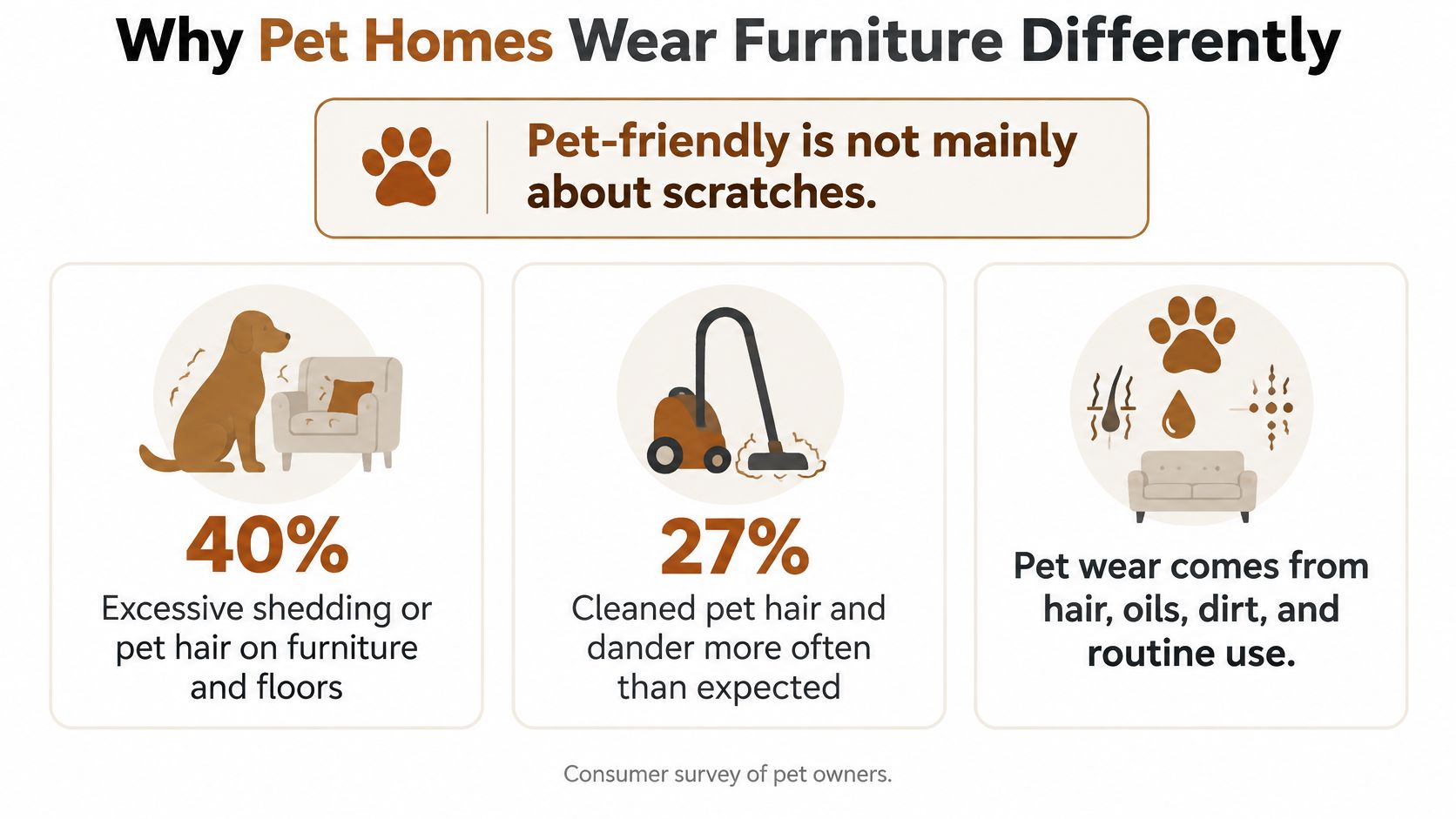
A dog that has never put a claw to the sofa can still wear it down. Hair works into the seat, drool dries on the arms, and mud from a daily walk arrives whether the fabric is ready or not. That gap between what owners worry about and what happens shows up in a Consumer Reports survey of pet owners: 40% reported excessive shedding or pet hair on furniture and floors, 27% reported cleaning pet waste, drool or hairballs, 21% reported tracked-in dirt or food and water messes, and 21% reported damage to furniture or other household surfaces.
Shedding alone drew nearly twice as many complaints as damage, and three of the four most common complaints are cleaning problems that repeat daily. Buy purely for claw resistance and you solve the occasional problem while inheriting the everyday one.
The everyday mess carries a second cost beyond appearance. The U.S. Environmental Protection Agency treats furniture and upholstery as potential long-duration contact surfaces in its indoor-exposure work, and one assessment modeled furniture contact at 120, 240 and 480 minutes, representing low-, medium- and high-intensity use, according to EPA indoor-exposure research.
480 minutes is eight hours. That window stops being abstract when a dog sleeps on the seat all afternoon and a cat grooms on the arm every evening: whatever sits in or on the upholstery, dust, finish residue, embedded soil, stays in contact with fur and skin for a large share of the day.
The countertop test
A kitchen counter earns its keep on cleaning speed rather than looks. You judge it by how fast it wipes clean after raw chicken and whether the seam traps residue. A sofa in a pet home answers the same questions, and it stays in contact with skin and fur for more hours than the counter ever does.
Read together, the complaint data and the exposure modeling push in one direction: surfaces that release hair and drool fast, covers that come off or clean in place, finishes that hold less dust, and clear chemical-safety information. No single fiber wins all four. A cover can wipe clean in seconds and still shred under claws, or shrug off claws and still trap hair in its pile. The phrase "pet-friendly" on a hang tag hides three separate specifications: how the surface handles daily mess, how the yarns behave under a claw, and what the materials put in contact with the household. Judge each one on its own.
Practical rule: name your household's top two failure modes before you look at a single swatch. Everything downstream is a trade-off between those two.
How to Judge Claw and Wear Resistance
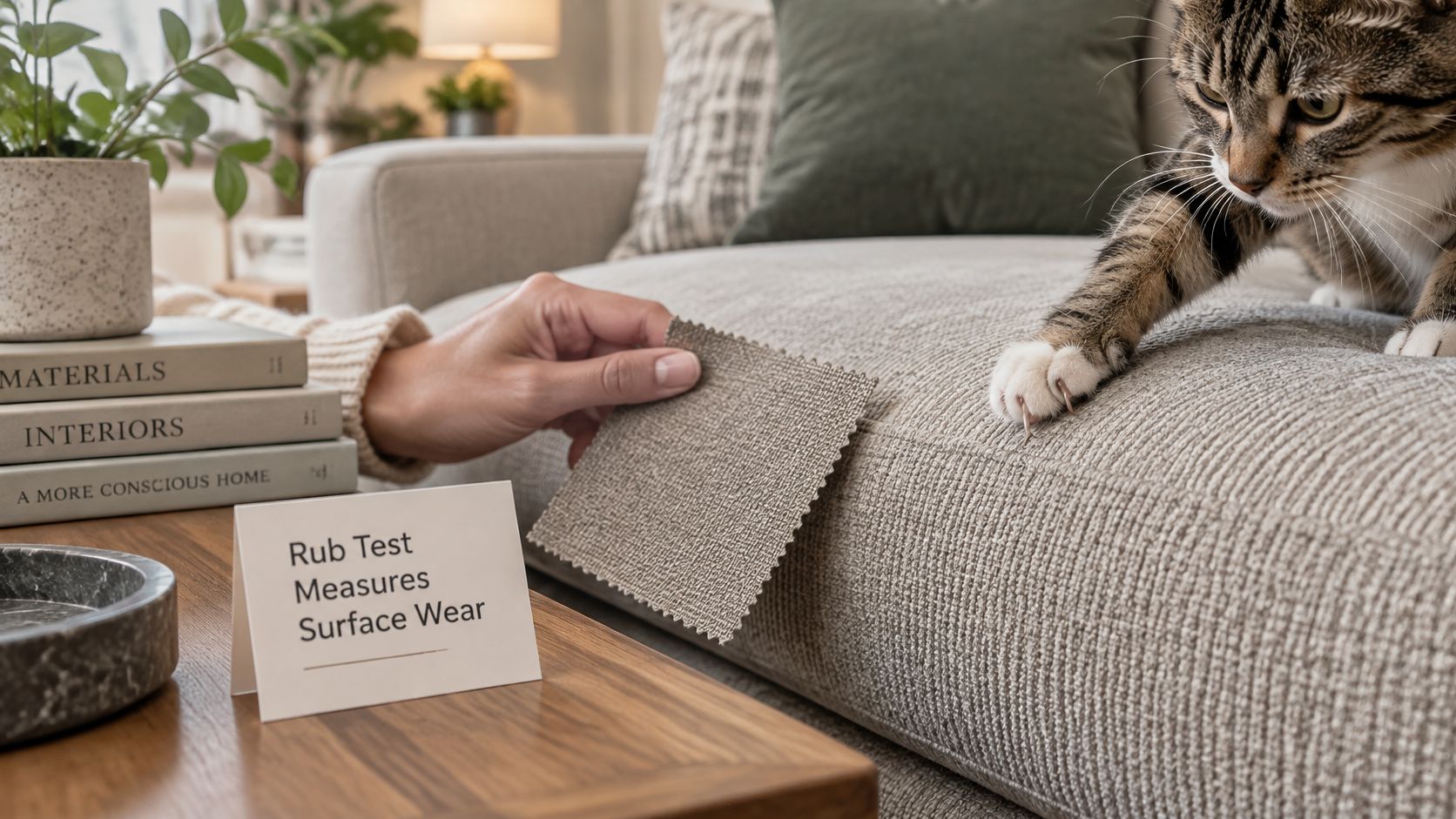
The most common buying mistake is reading a high rub count as proof of claw resistance. It isn't. Standard abrasion tests measure surface wear from rubbing, not puncture and not snagging. A fabric can score beautifully and still be shredded by a determined cat, because the test never simulated a claw.
The benchmarks themselves come from contract textiles. The Association for Contract Textiles performance guidelines identify approximately 30,000 Wyzenbeek double rubs or 40,000 Martindale cycles as benchmarks for high-traffic upholstery, while heavy-domestic residential fabrics are commonly marketed around 25,000 to 30,000-plus Martindale rubs. Treat those as screening thresholds that filter out weak fabrics, not as a warranty against sharp claws.
| Benchmark | Typical value | What it indicates | What it misses |
|---|---|---|---|
| Wyzenbeek double rubs | About 30,000 | High-traffic contract upholstery | Surface wear, not claw puncture |
| Martindale cycles | About 40,000 | High-traffic contract upholstery | Snagging and puncture |
| Residential heavy-domestic (Martindale) | 25,000 to 30,000-plus | Home sofas and chairs | A guarantee against sharp claws |
| Snag resistance | No published pass or fail threshold | Yarn and loop resilience | Not standardized across brands |
| Repeated cleaning performance | Test with the approved cleaner three times | Cleaning code and colorfastness | Chemical content of finishes |
The five checks, in order
- Ask for the abrasion result and the test method. Wyzenbeek and Martindale produce different numbers from the same fabric, so a score without a method name is close to meaningless.
- Compare that score with the benchmarks above. Anything at or near the contract threshold tells you the yarn can take rubbing.
- Request snag-resistance information. This is the gap no rub score covers, and a seller who understands pet homes will have an answer about yarn construction and loop height.
- Inspect the weave itself. Tight interlocking yarns and low loops resist snagging and pilling. Open weaves, long loops and floated decorative threads catch.
- Look past the cover. Claws reach seams, skirt hems and recliner mechanisms. Ask what the warranty says about those parts, because that's where failures get expensive.
Here's how the logic plays out. A chair wrapped in loose-loop corduroy with a 40,000-cycle score can still snag on the first enthusiastic stretch, because the loop is the vulnerability and the rub test never touched it. A dense, flat weave with a moderate score has nothing to catch, so it holds up better in the room where the cat lives.
A single durability number tells you how the yarn behaves under friction. It says nothing about the shape of the surface a claw meets.
For each candidate, keep a three-line note: the score and the method, whatever snag information the seller gave you, and the weave type. If any of the three lines reads blank, that fabric isn't verified yet.
Cleaning Codes and Chemical Disclosures to Check
The tag sewn under a seat cushion carries a small letter code that decides which cleaner you're allowed to reach for after an accident. Most owners never read it. Then an enzymatic spray sets a stain permanently, or a solvent strips the dye off along with the urine.
There are four standard codes, and each one defines a different cleaning method.
| Code | Approved cleaner | Meaning for pet stains |
|---|---|---|
| W | Water-based cleaner only | Enzymatic pet cleaners are usually suitable |
| S | Solvent-based cleaner only | Do not use water-based pet cleaners |
| WS | Water-based or solvent-based | Most flexible for pet stains |
| X | Vacuum or dry brush only | Blot only, no liquid cleaners |
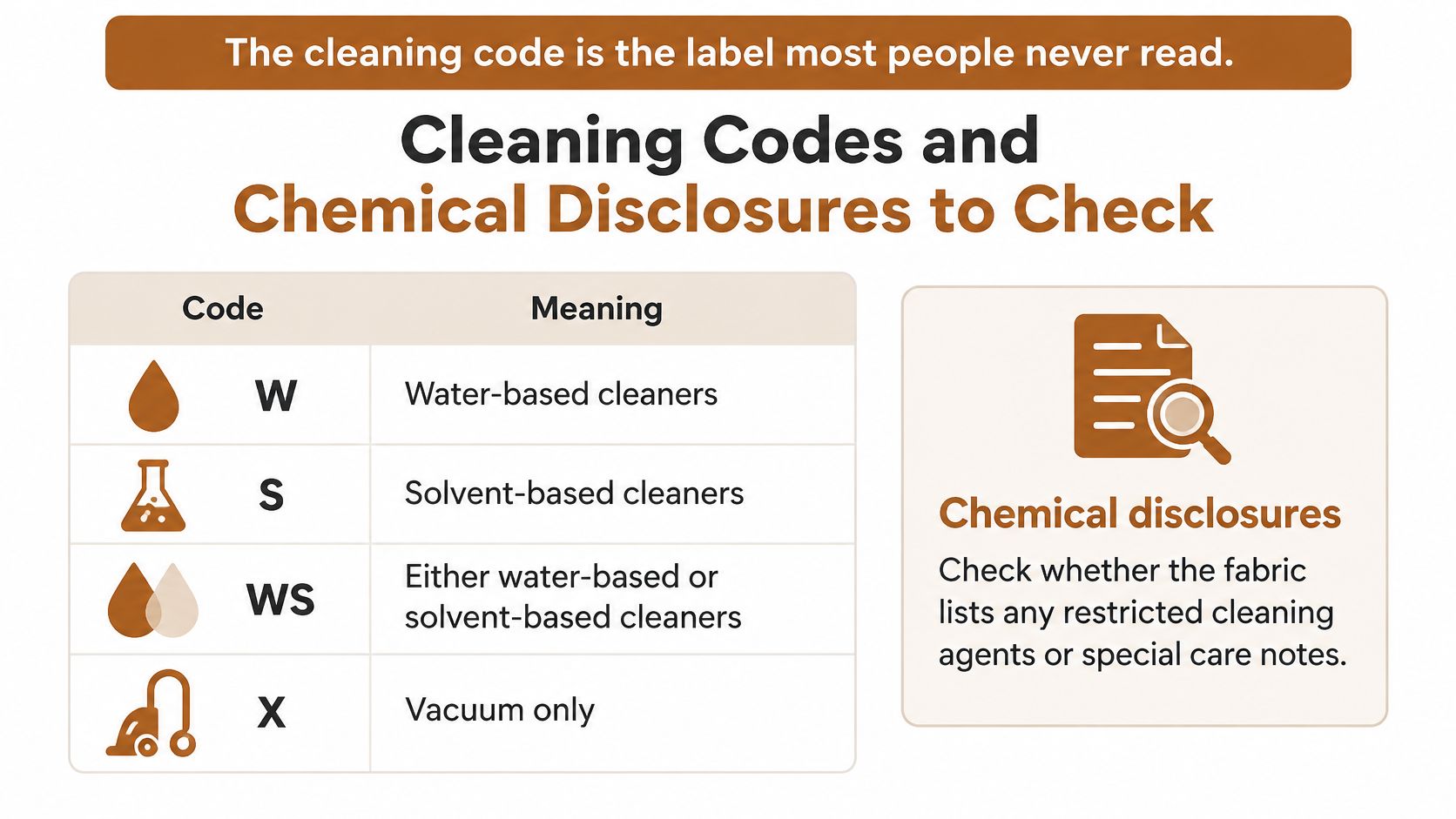
For a pet household, W or WS is the practical target, because most enzymatic accident cleaners are water-based. An S fabric forces you into solvent products, which are harsher to work with around animals and demand more ventilation than a living room usually gives you. An X fabric can't take liquid at all, so an accident becomes a blotting race rather than a cleanup.
Two different things wearing one label
Cleanability and indoor chemistry are separate questions, and merging them is where buyers get caught. A performance textile might bead a water-based spill long enough for you to blot it, but the finished fabric still needs a documented cleaning code and testing against repeated cleaning. Aggressive solvents or too much moisture can damage coatings, dyes, foam and adhesives that held up fine on the first wipe, according to research on textile product emissions and indoor air quality.
Stain resistance arrives by one of two routes. It can be a factory-applied finish sitting on the surface, or it can come from a fiber with low absorbency. The first wears with cleaning and needs disclosure. The second doesn't wash off, because it was never on top.
The third thing the label hides is chemical treatment. Independent testing of consumer textiles has repeatedly found that company disclosures understate how widely stain-repellent chemistry is used, so a fabric that beads liquid should come with documentation behind it. A "performance" label tells you how the fabric was marketed, not how it was tested.
And the cover is only one layer. Foam, batting and adhesives sit underneath it, and treatments added to those layers rarely appear in product copy. When you ask for chemical information, ask about the whole assembly, not just the surface you can touch.
What to ask for, and what to refuse
- Ask for: the cleaning code, the approved cleaner type, and colorfastness after cleaning.
- Ask for: whether stain resistance is a surface finish or built into the fiber.
- Prefer: removable or replaceable covers, and low-odor components with certification scoped to the actual product.
- Refuse: solvent cleaners on a W fabric, and any claim that "pet-friendly" automatically means chemically treated.
- Check: the materials and sustainability information for how sourcing is described on specific pieces.
Match the Material to Your Pet's Biggest Mess
Before you compare another swatch, rank your top two problems in plain words. Then pick the row below that matches.
| Main problem | Priority spec | Avoid |
|---|---|---|
| Claw scratches on arms and back | Tight weave or PU leather with low pile | Velvet and loose-loop corduroy |
| Heavy shedding | Smooth tight weave, low pile, removable cover | Boucle and textured chenille |
| Drool, wet coats, accidents | Waterproof PU or factory-finished performance fabric | Untreated linen and cotton |
| Lingering odor | Washable or removable cover, low-absorbency fiber | Fixed porous upholstery |
| Tracked-in dirt | Dense mid-tone or dark weave that hides grime | Light, open weaves |
Two rows often overlap. A dog that sheds heavily and also jumps up wet needs a smooth tight weave that's been factory finished, not a compromise between the two lists. If claws and drool are both live problems, the answer narrows to a waterproof, tightly woven surface or PU, which is the combination most households with cats end up at.
The number that matters is cost per year, not sticker price
Market research on this category is commercial rather than official, so treat it as directional. One dog furniture market report estimates that premium pet furniture may last 5 to 8 years compared with 1 to 2 years for budget alternatives, and that sustainable products can carry 15% to 28% price premiums. Those two facts set up a simple piece of arithmetic.
Say a $900 sofa lasts six years. That's about $150 a year. A $400 sofa that lasts 18 months costs about $267 a year, and you'll buy three more of them in the same window. The cheaper sticker loses, and it also sends three more pieces of upholstered furniture to the curb.
Those lifespan ranges are also why construction details earn their keep: reinforced seams, tight weave, washable covers, a frame that doesn't flex. Certification marks such as FSC, GOTS, OEKO-TEX and GREENGUARD Gold can support a sourcing or emissions claim, but check what each one covers for the product in front of you rather than the brand as a whole.
The decision rule: if claws and drool are both on your list, choose a waterproof tightly woven or PU surface. If shedding dominates, choose a smooth tight weave with a removable cover.
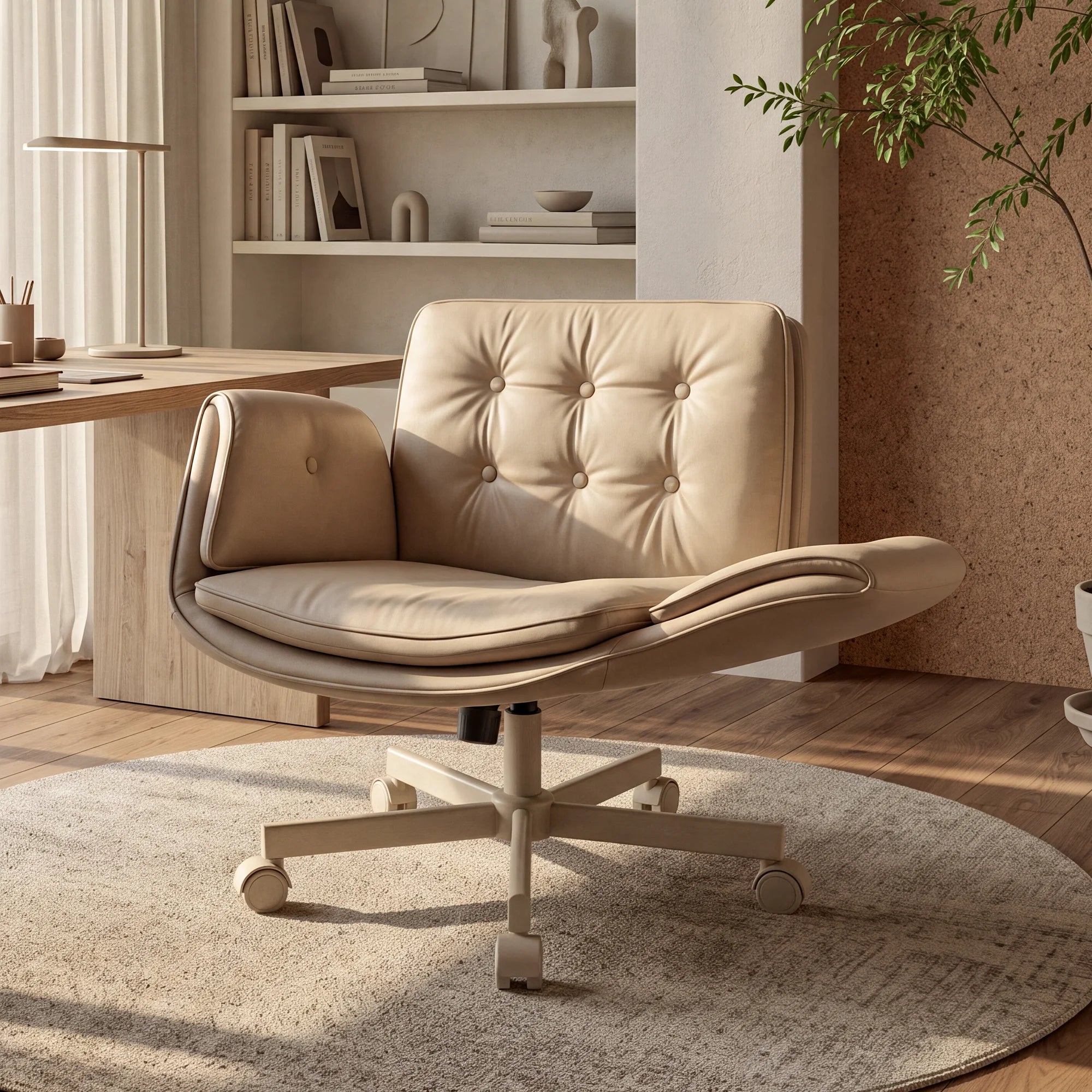
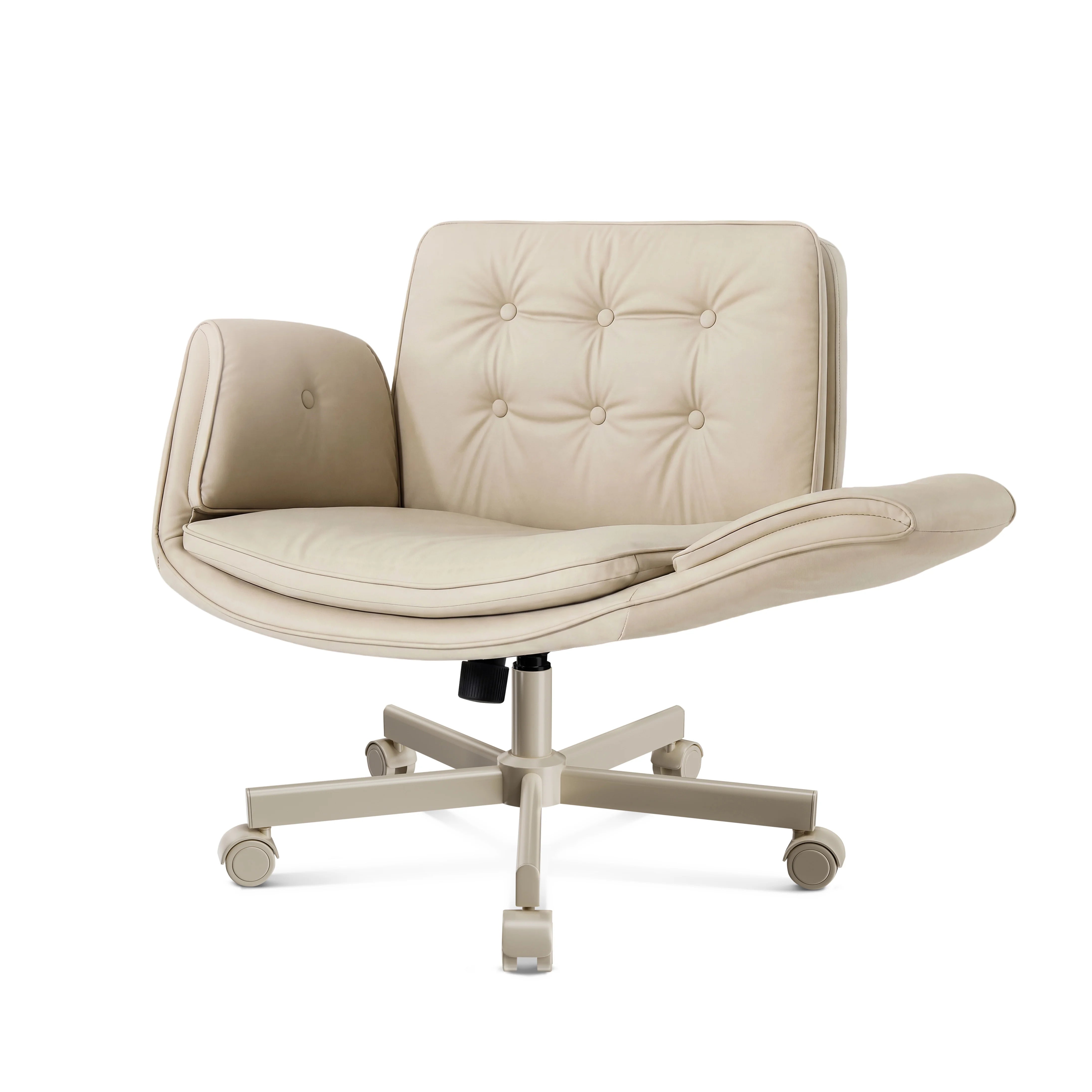
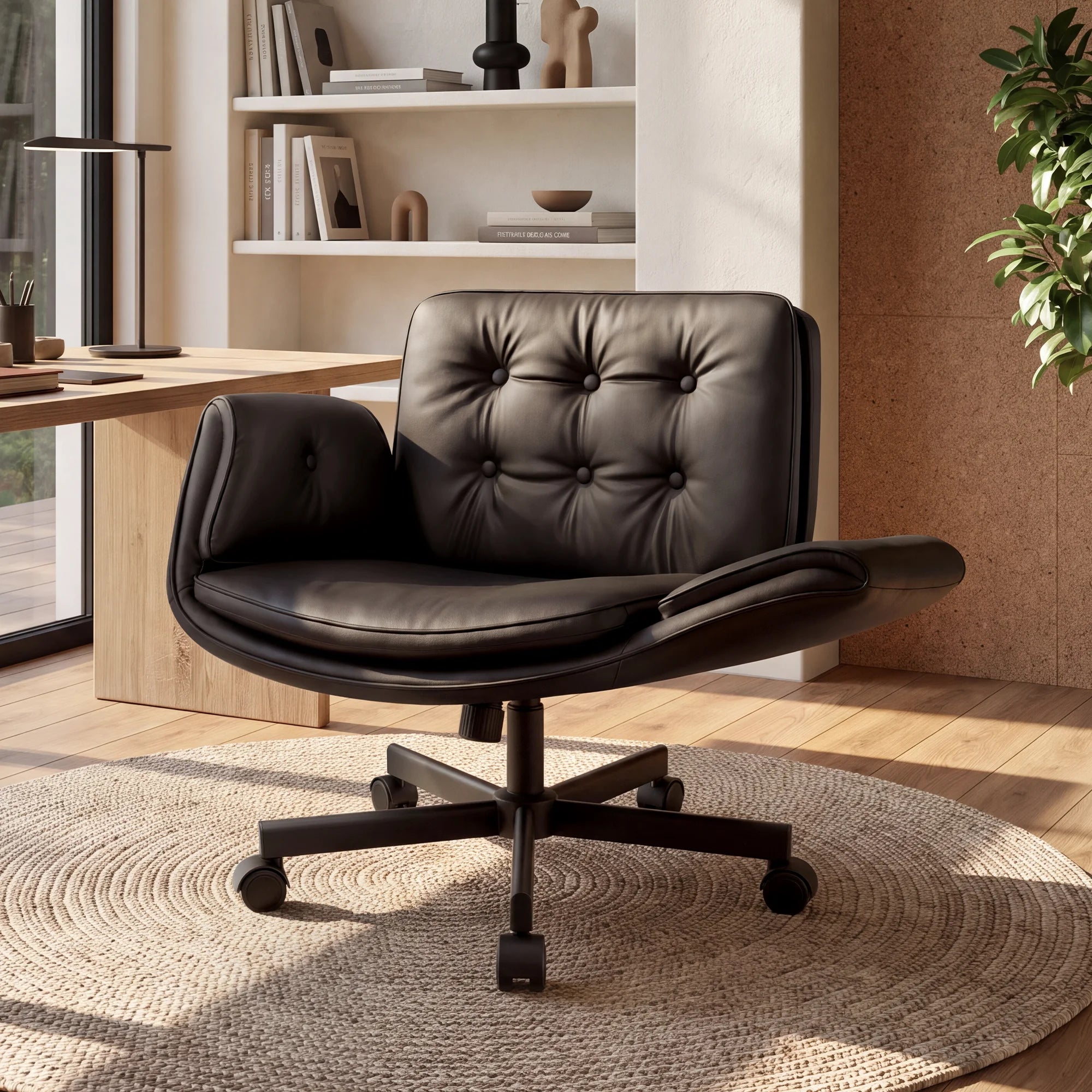
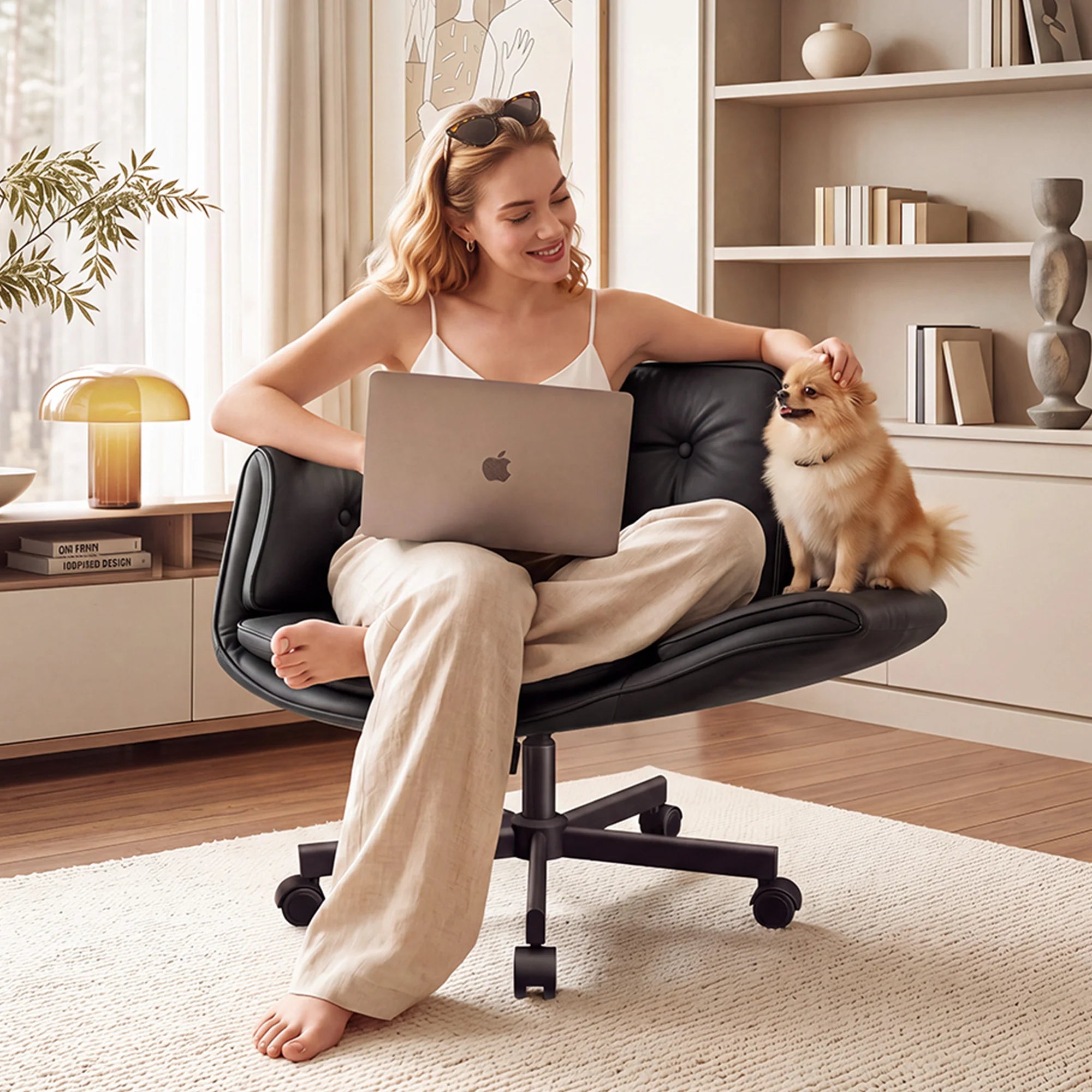
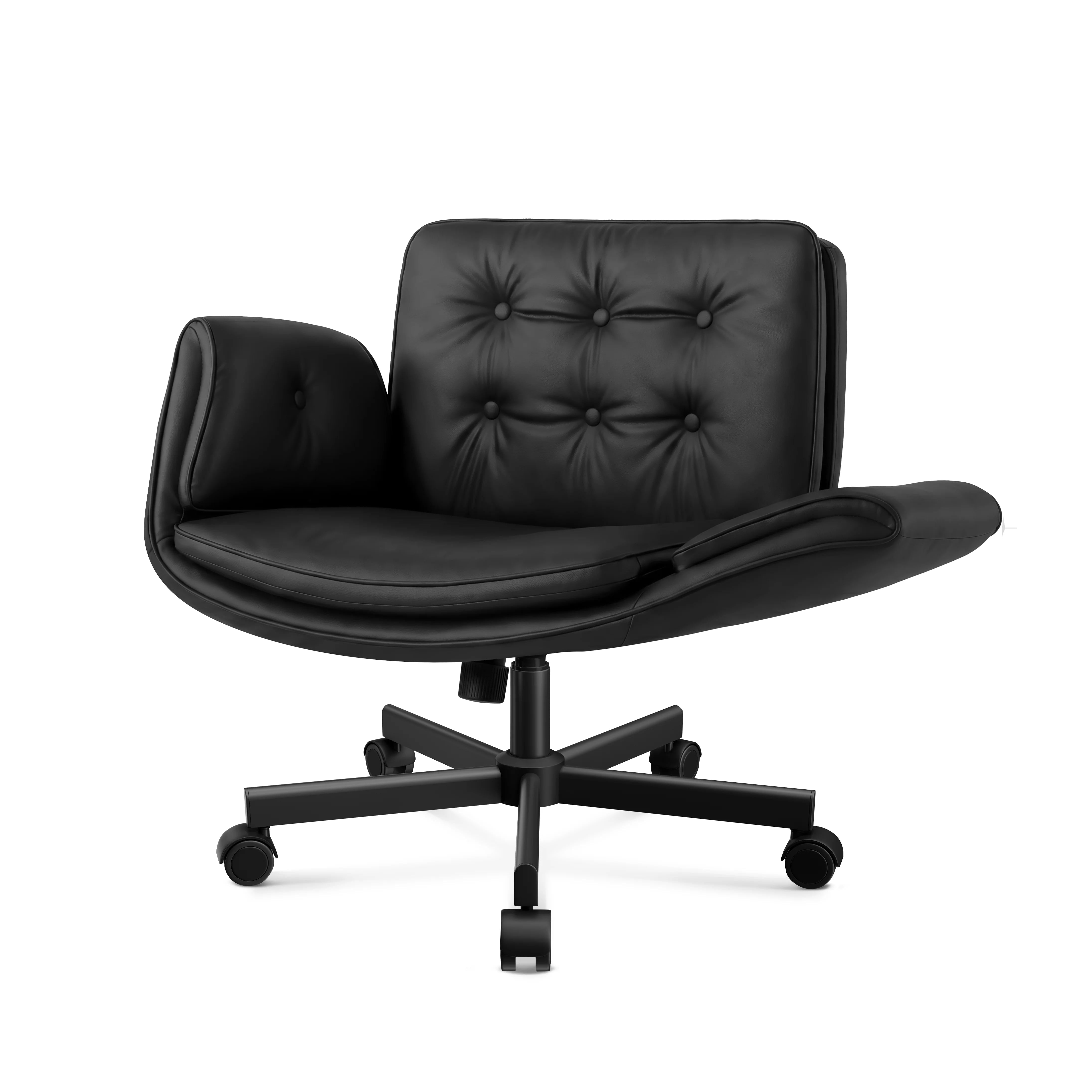
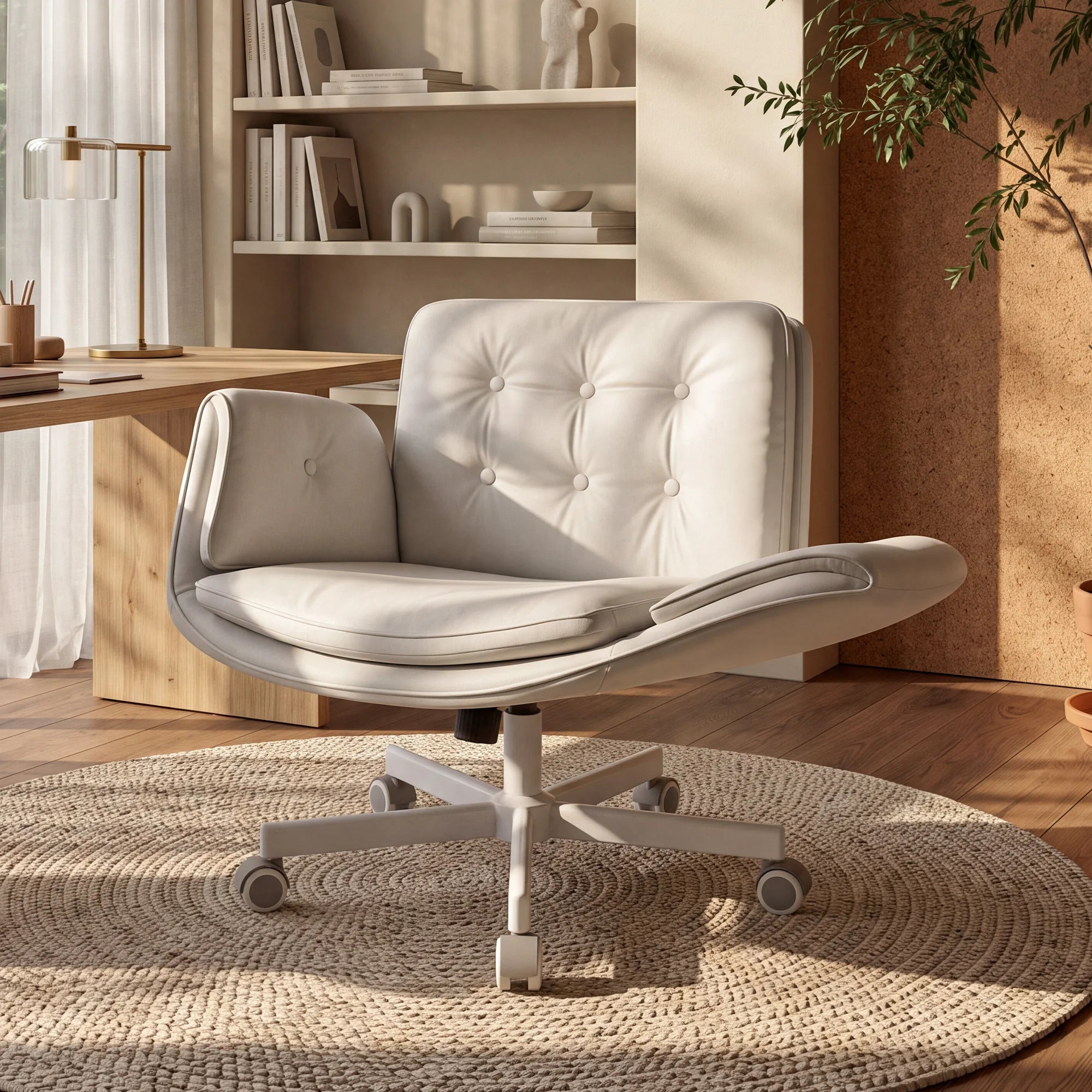
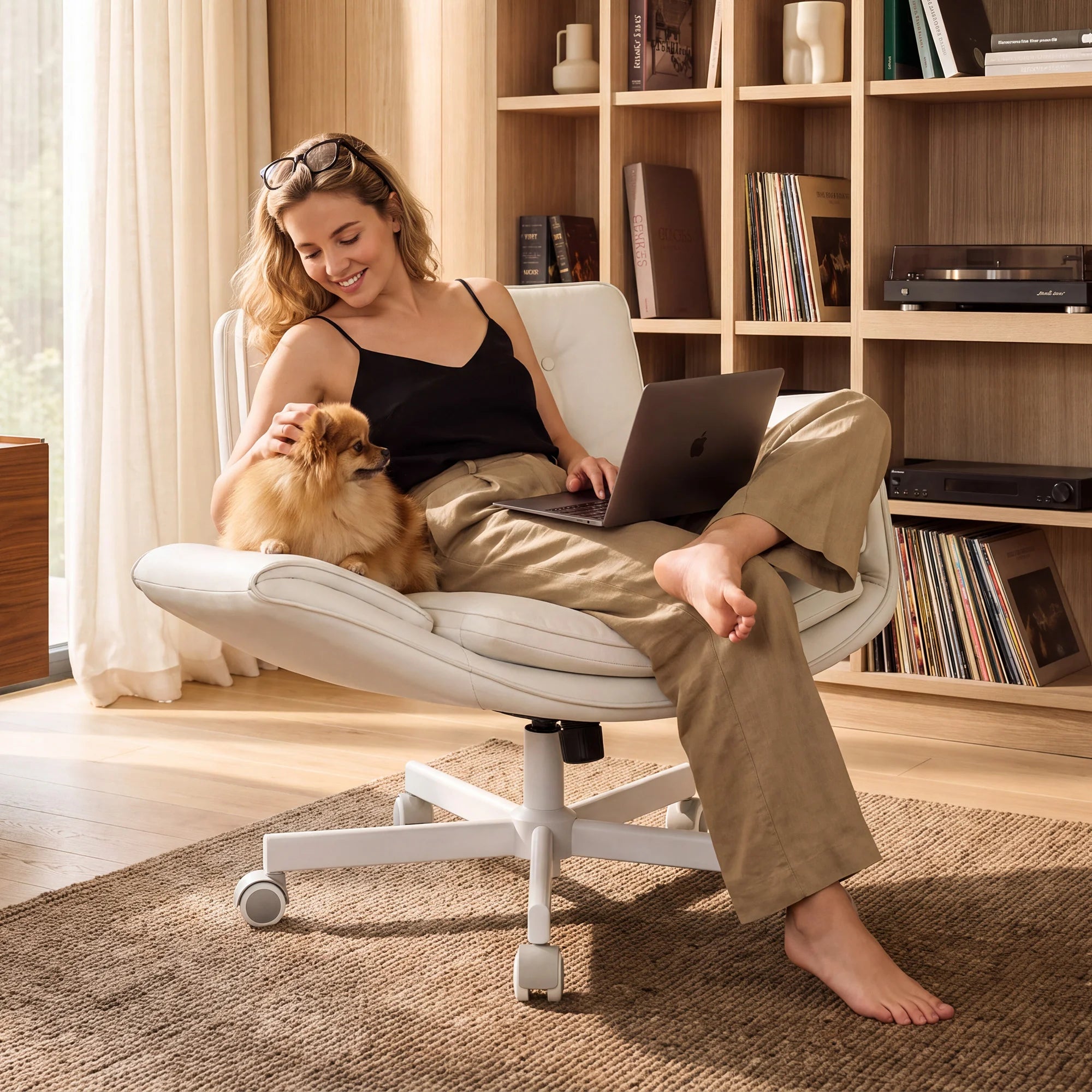
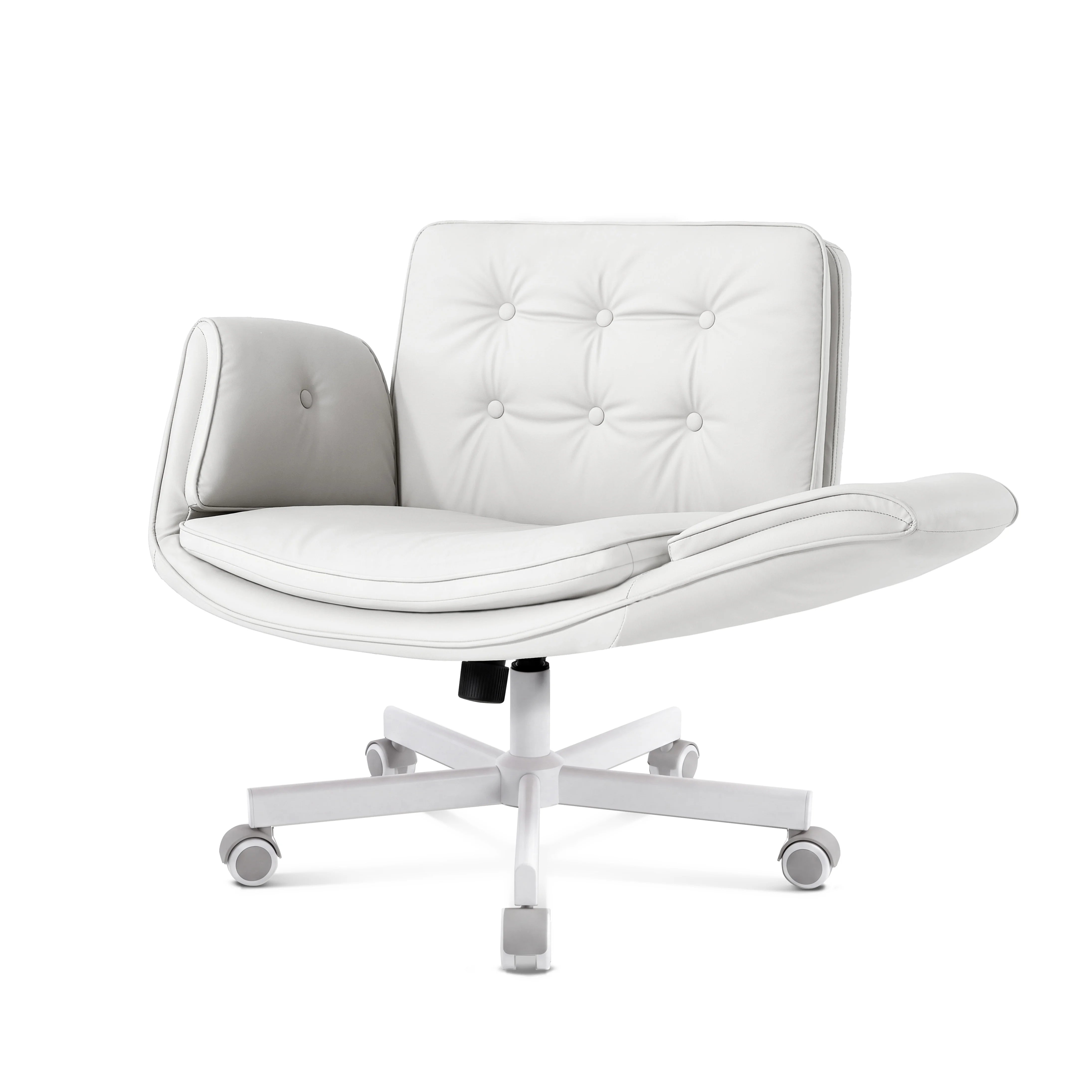
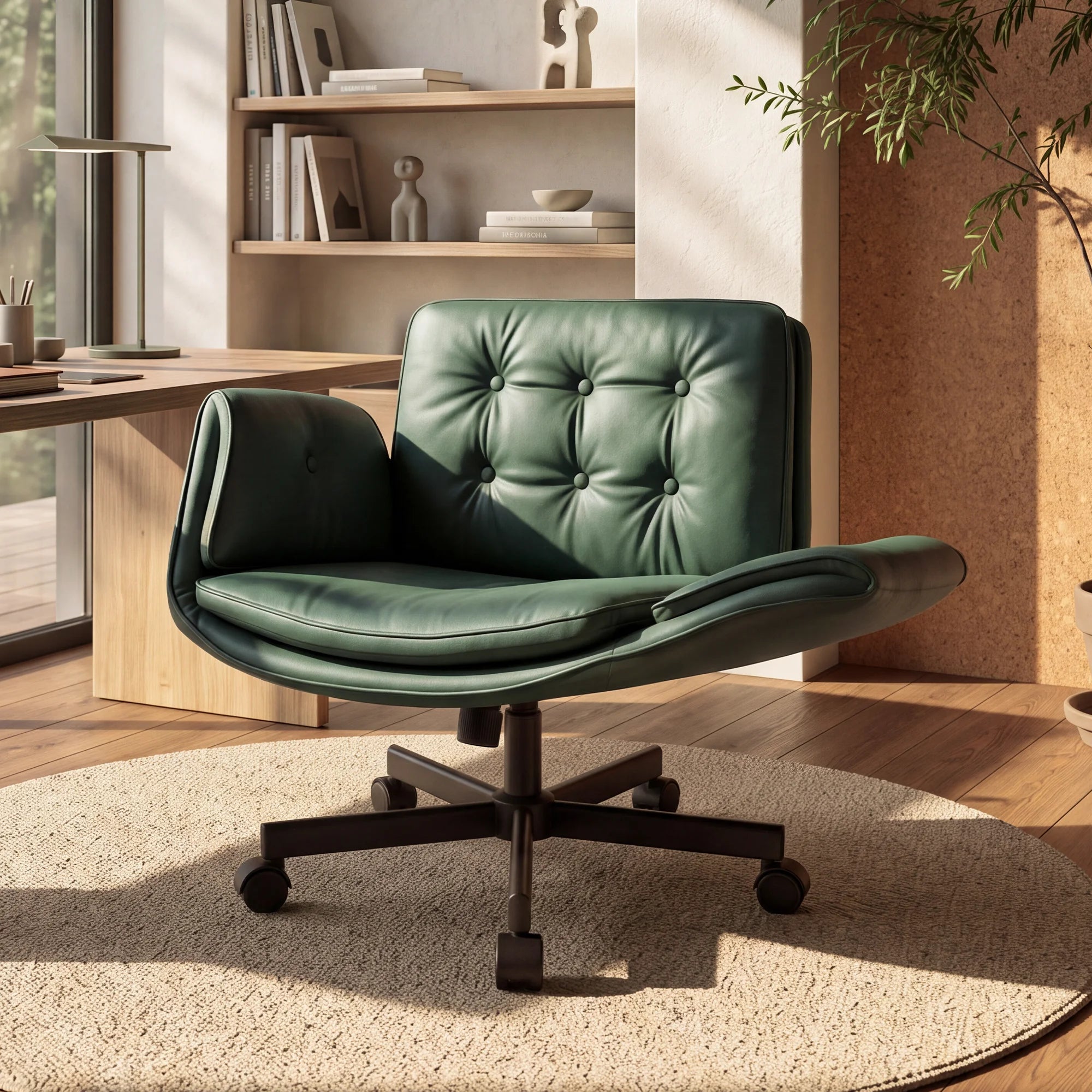
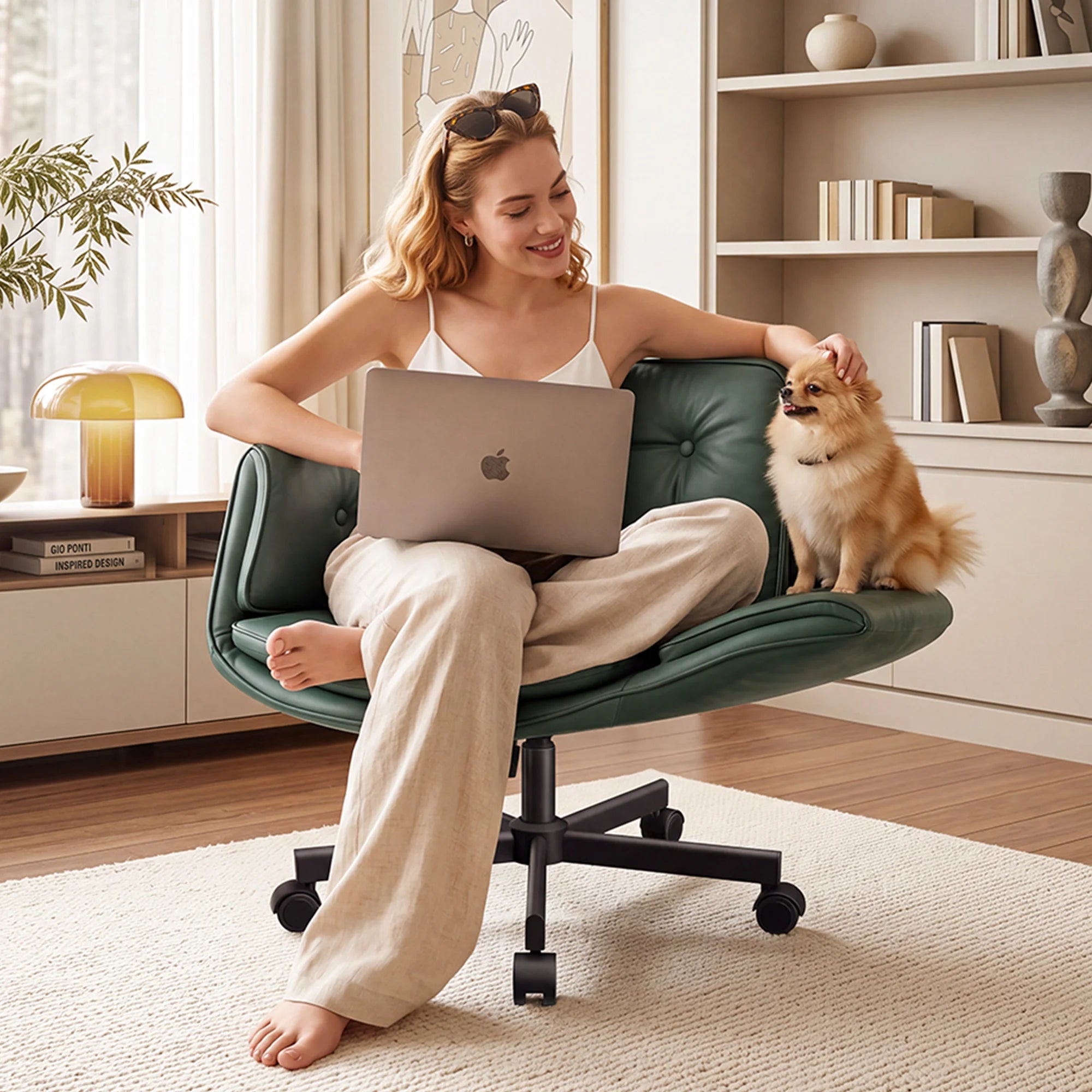
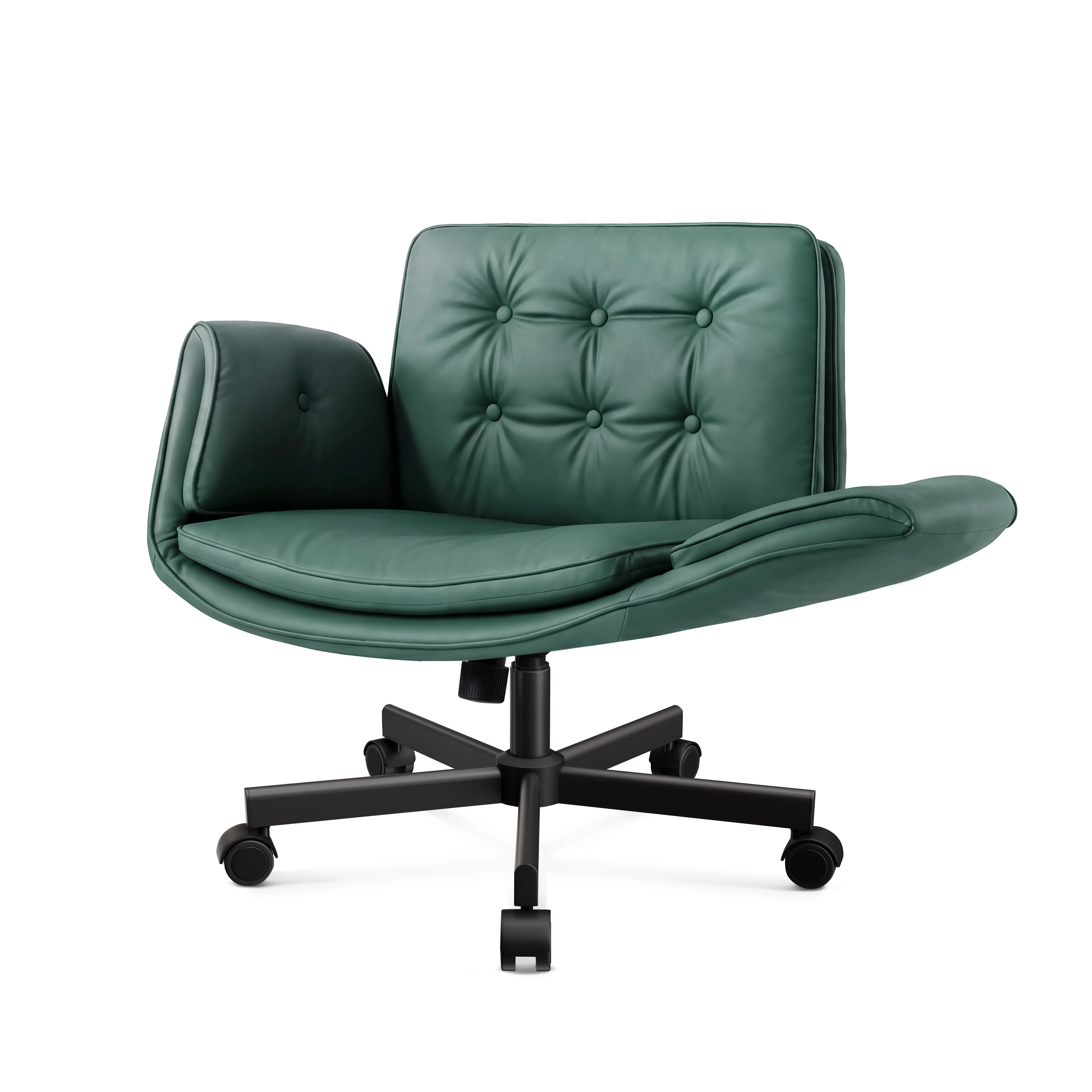
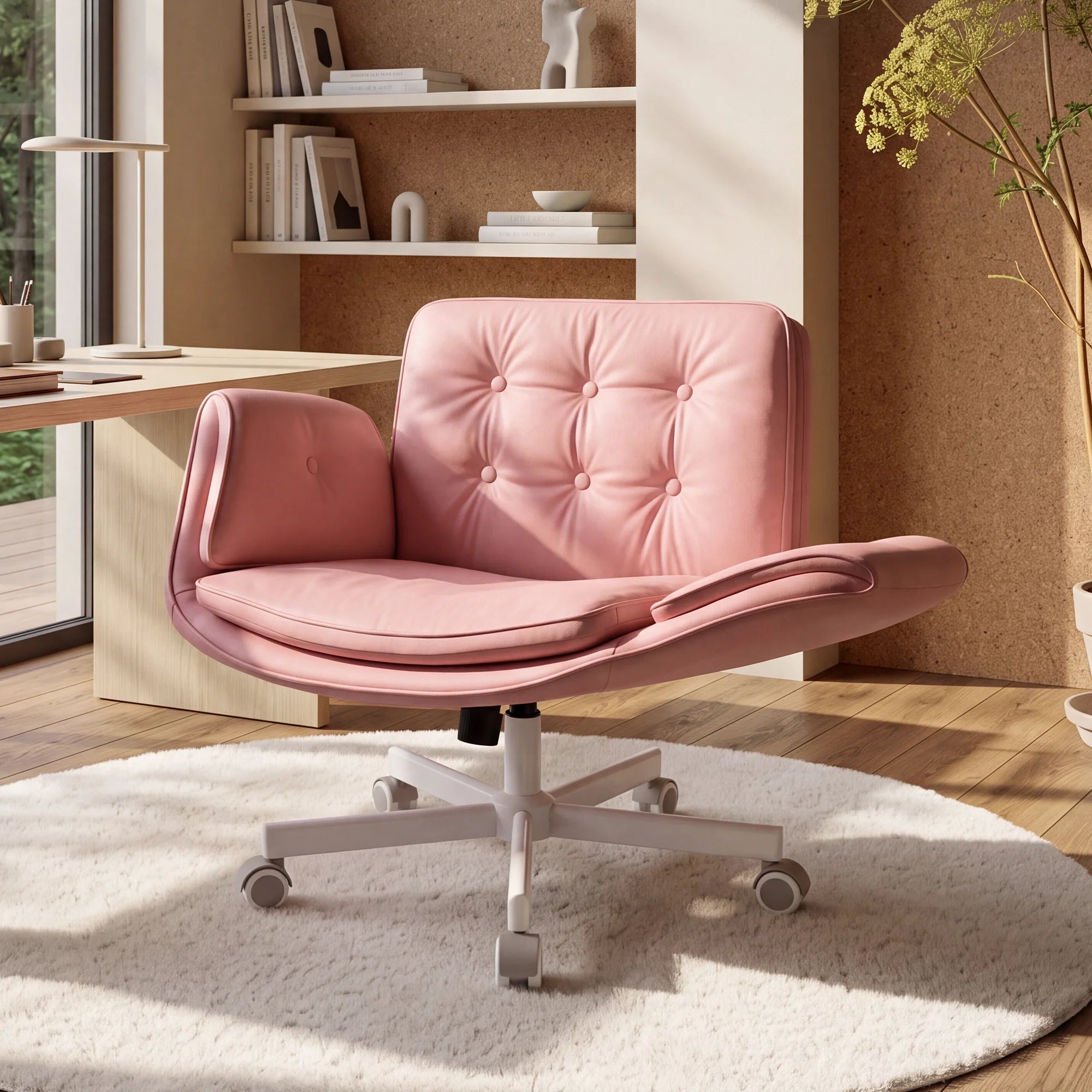
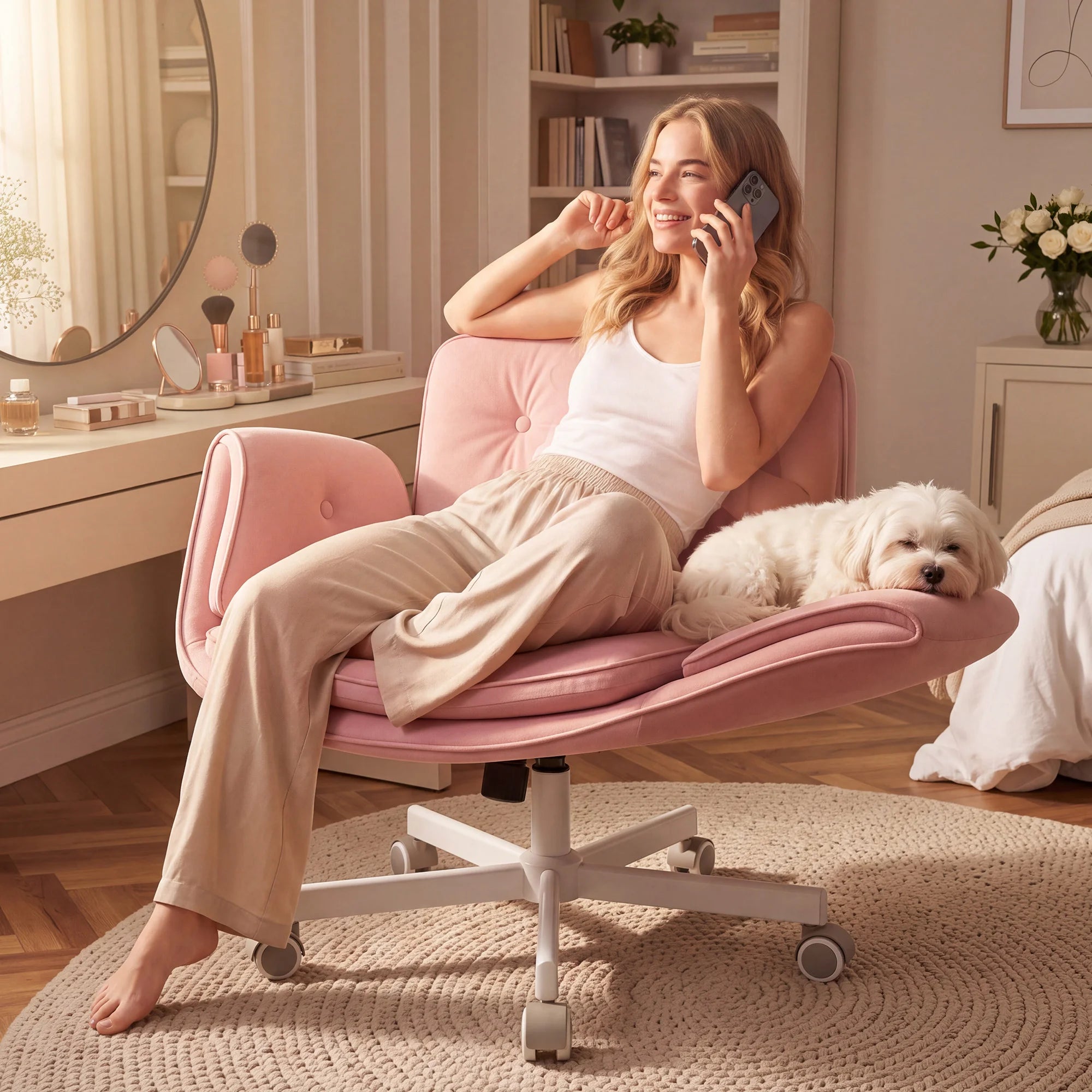
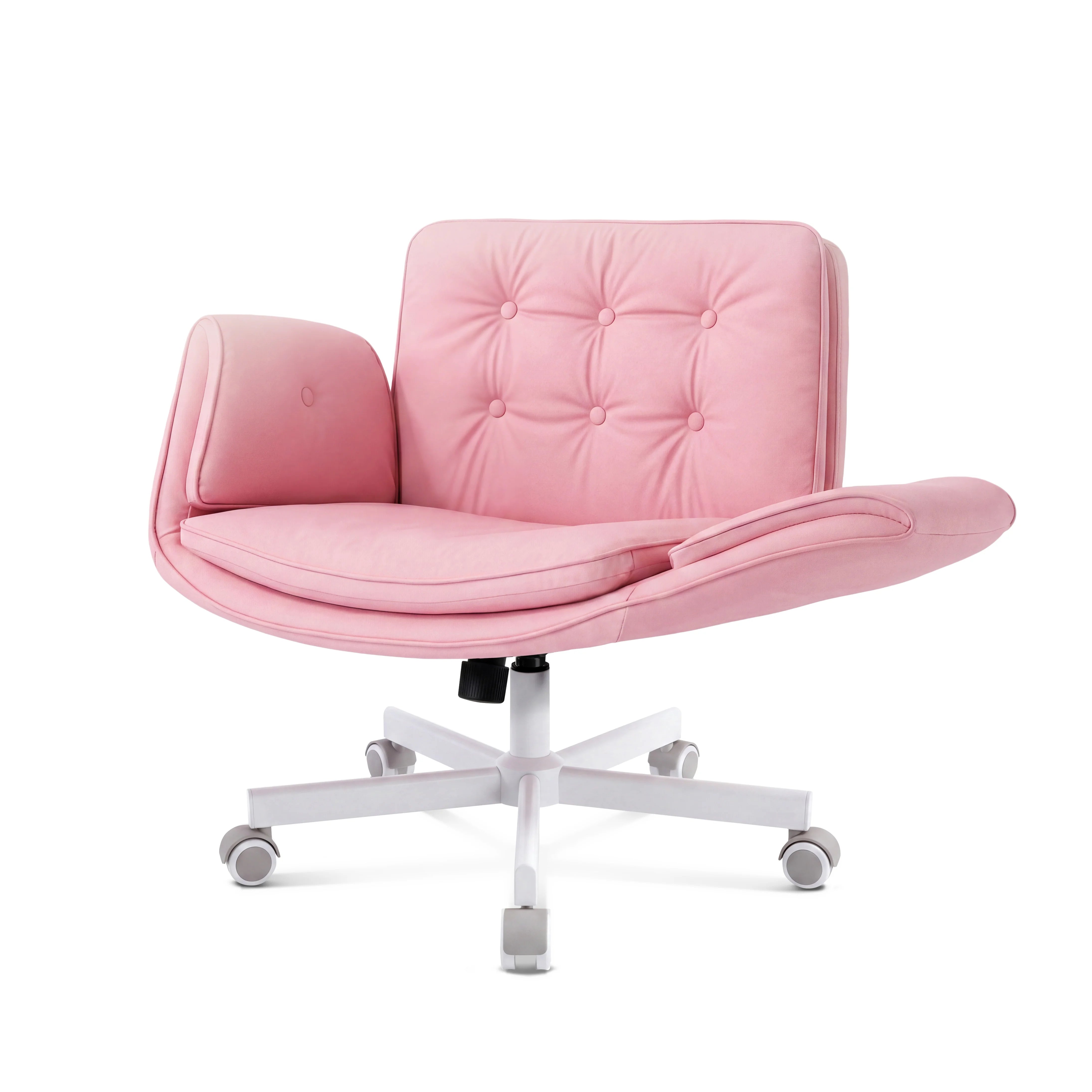
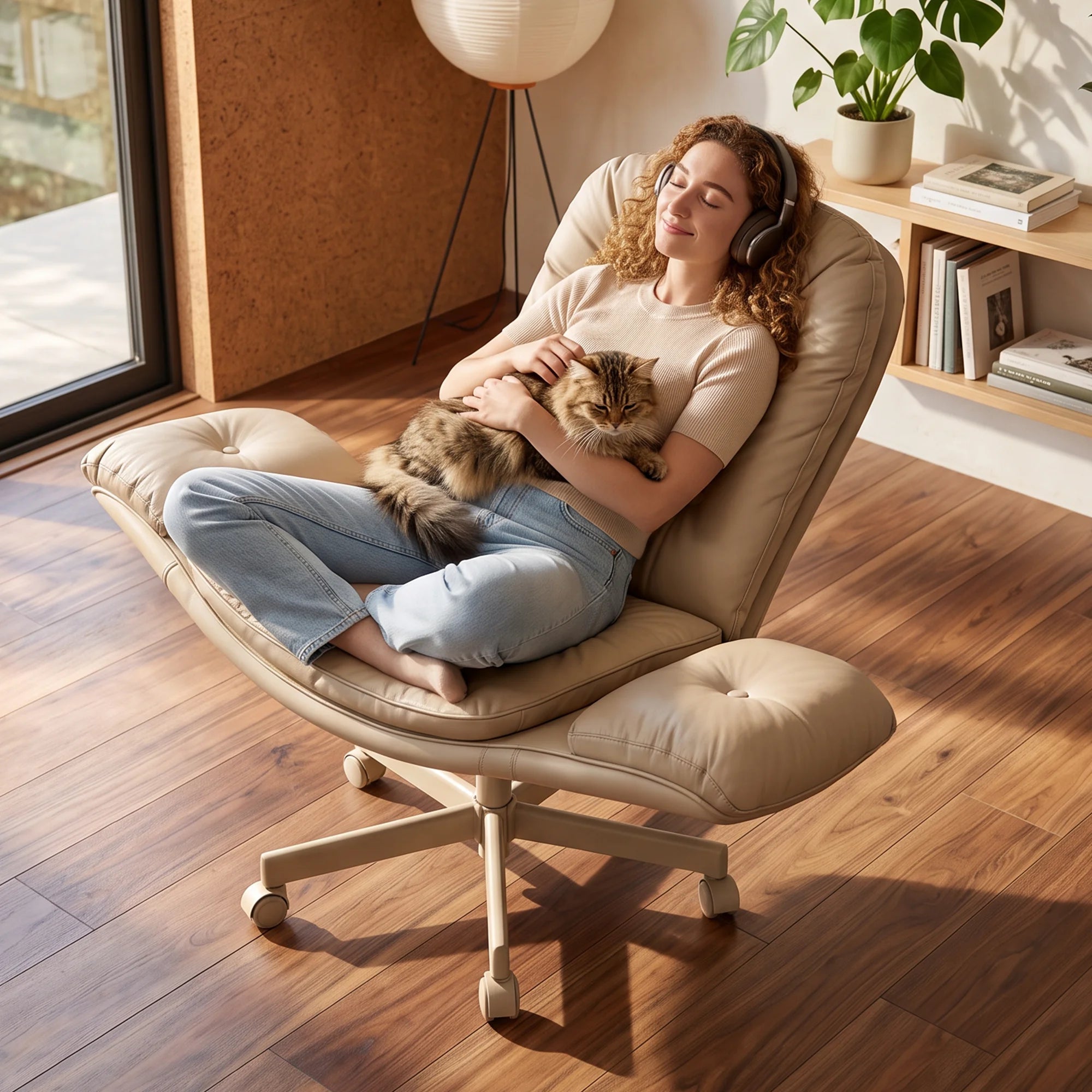
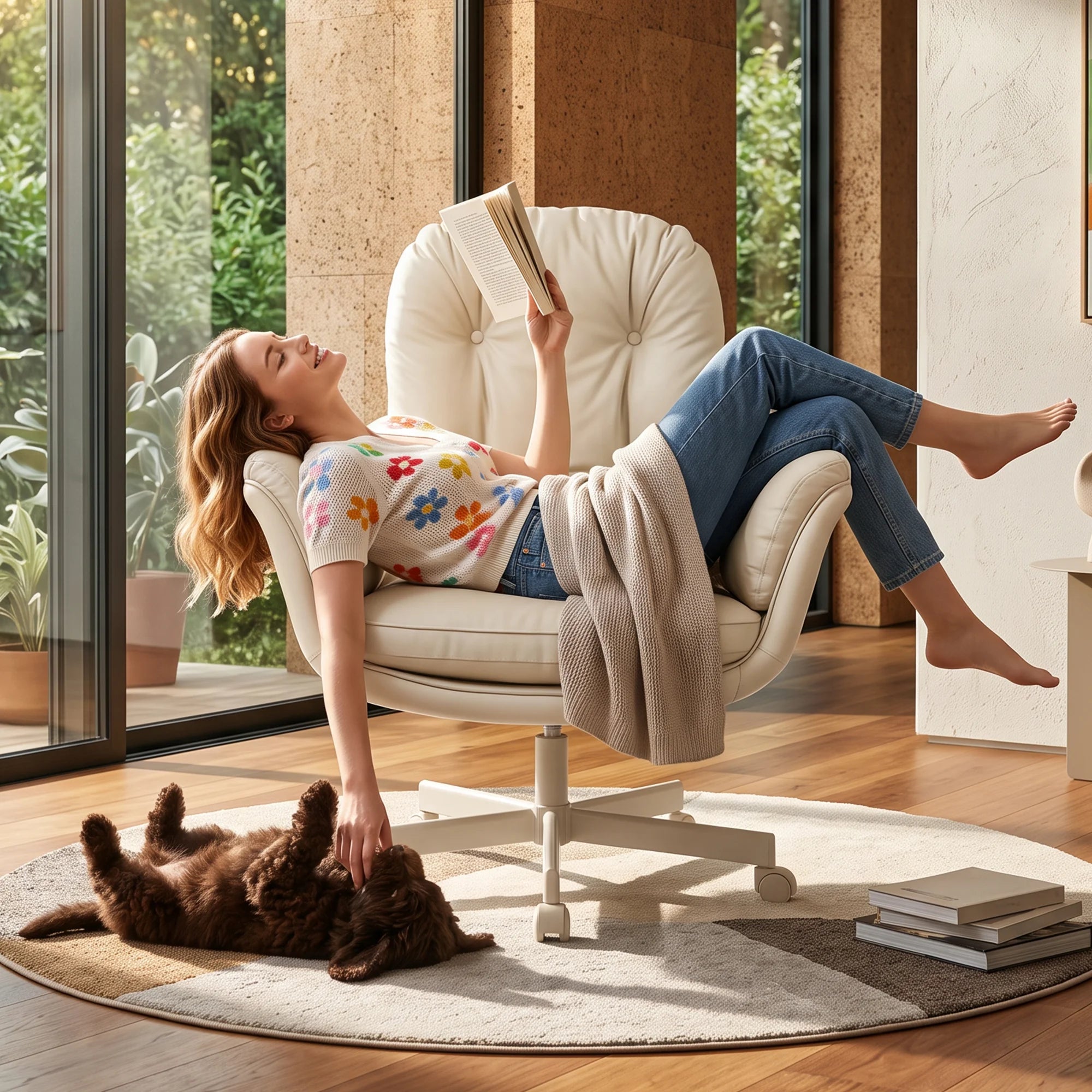
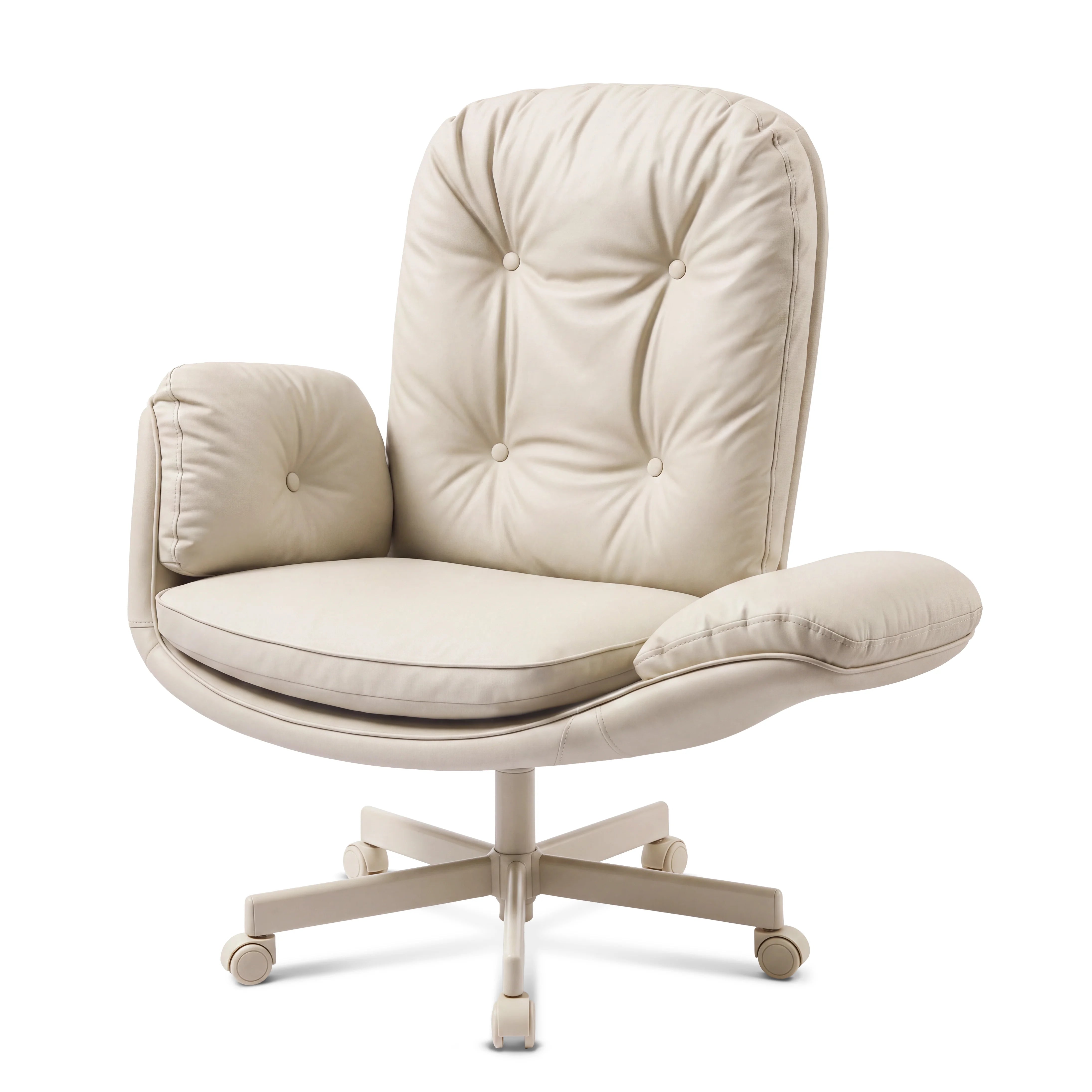
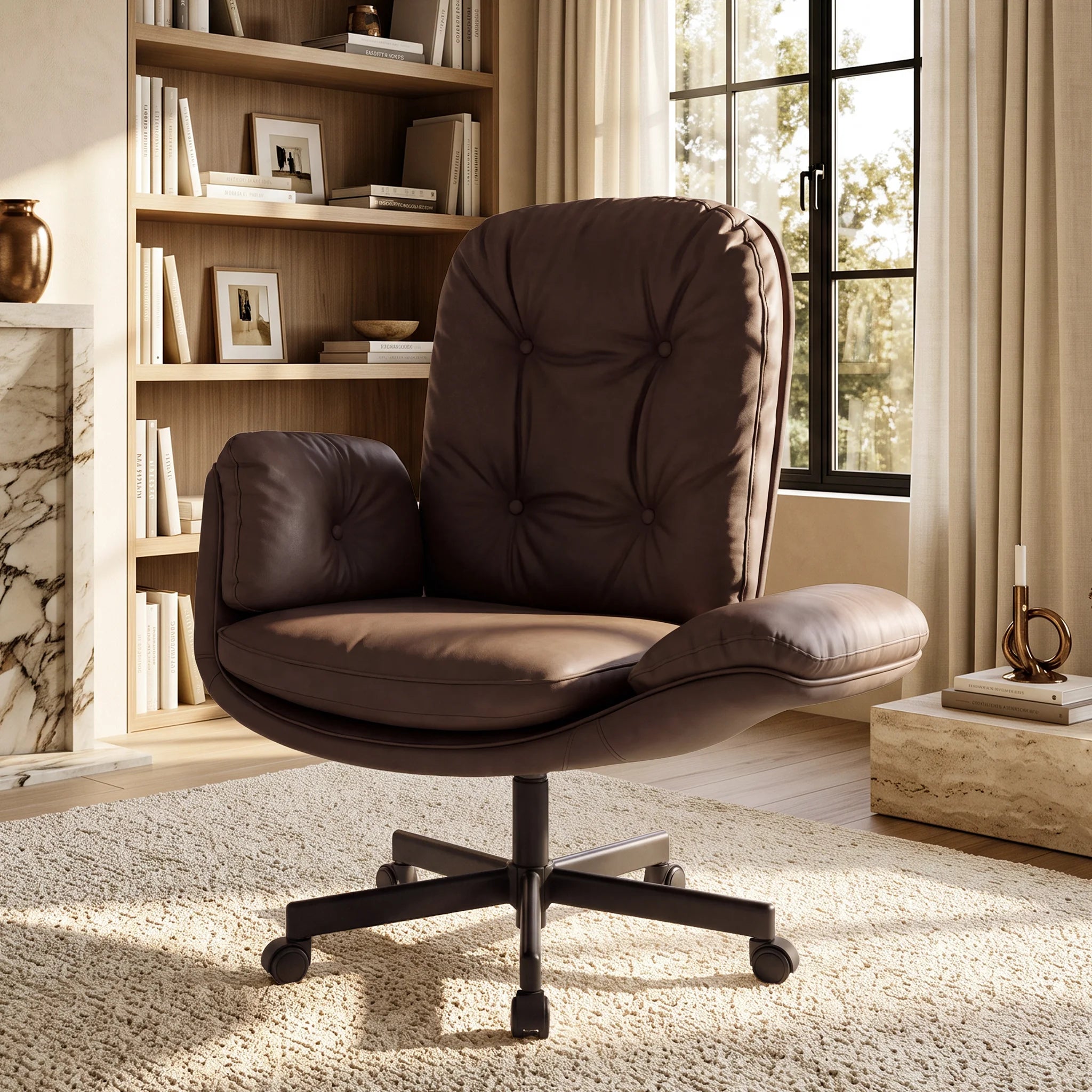
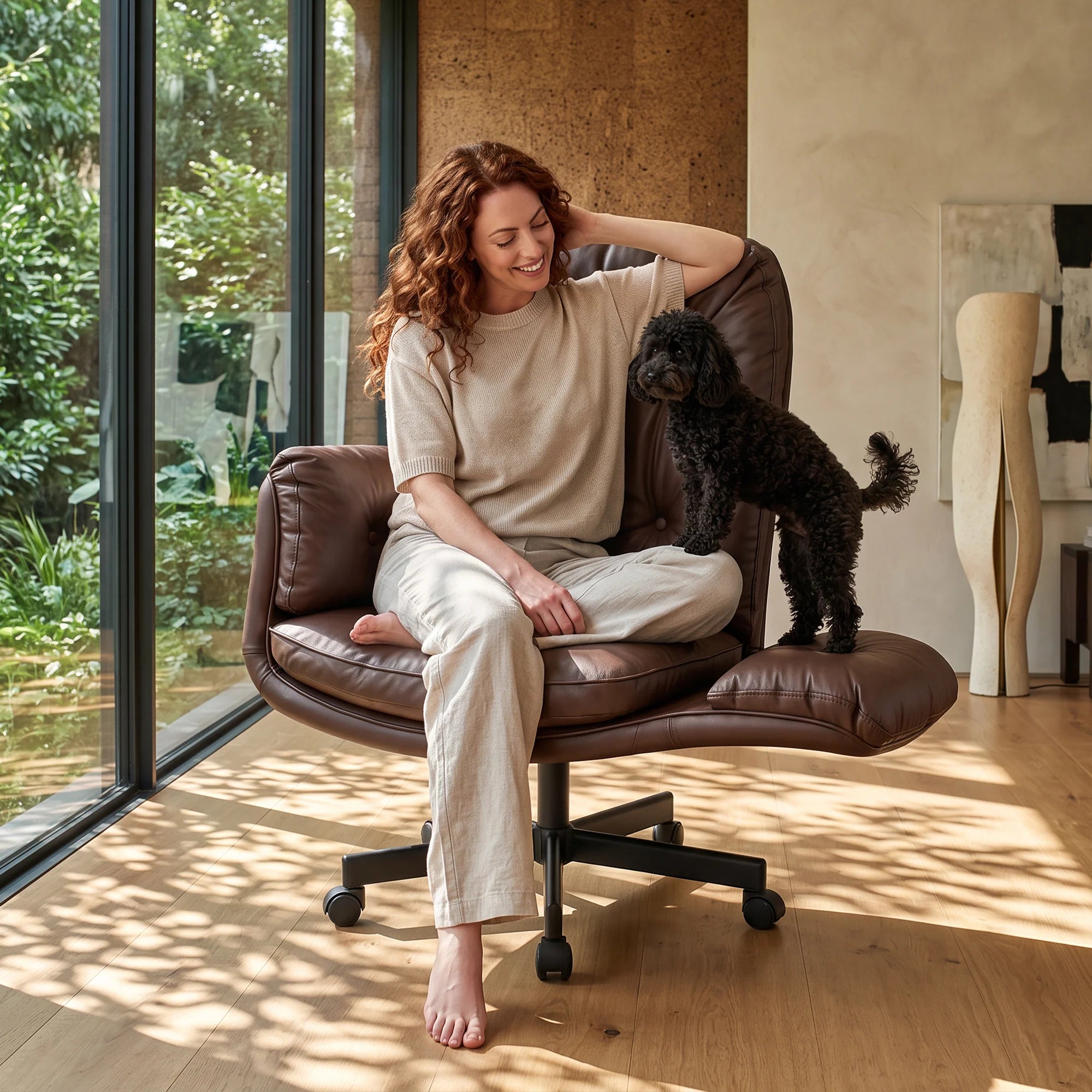
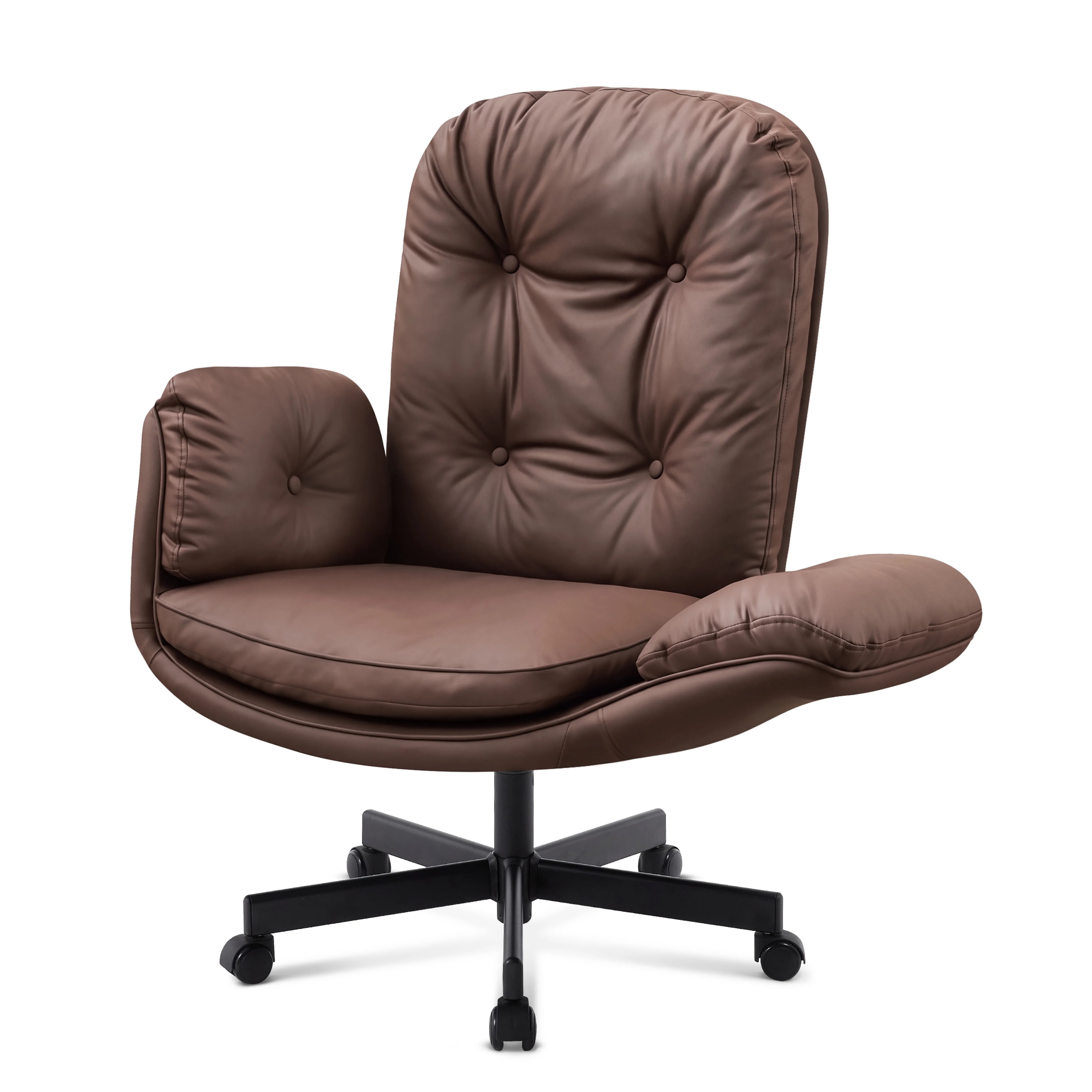
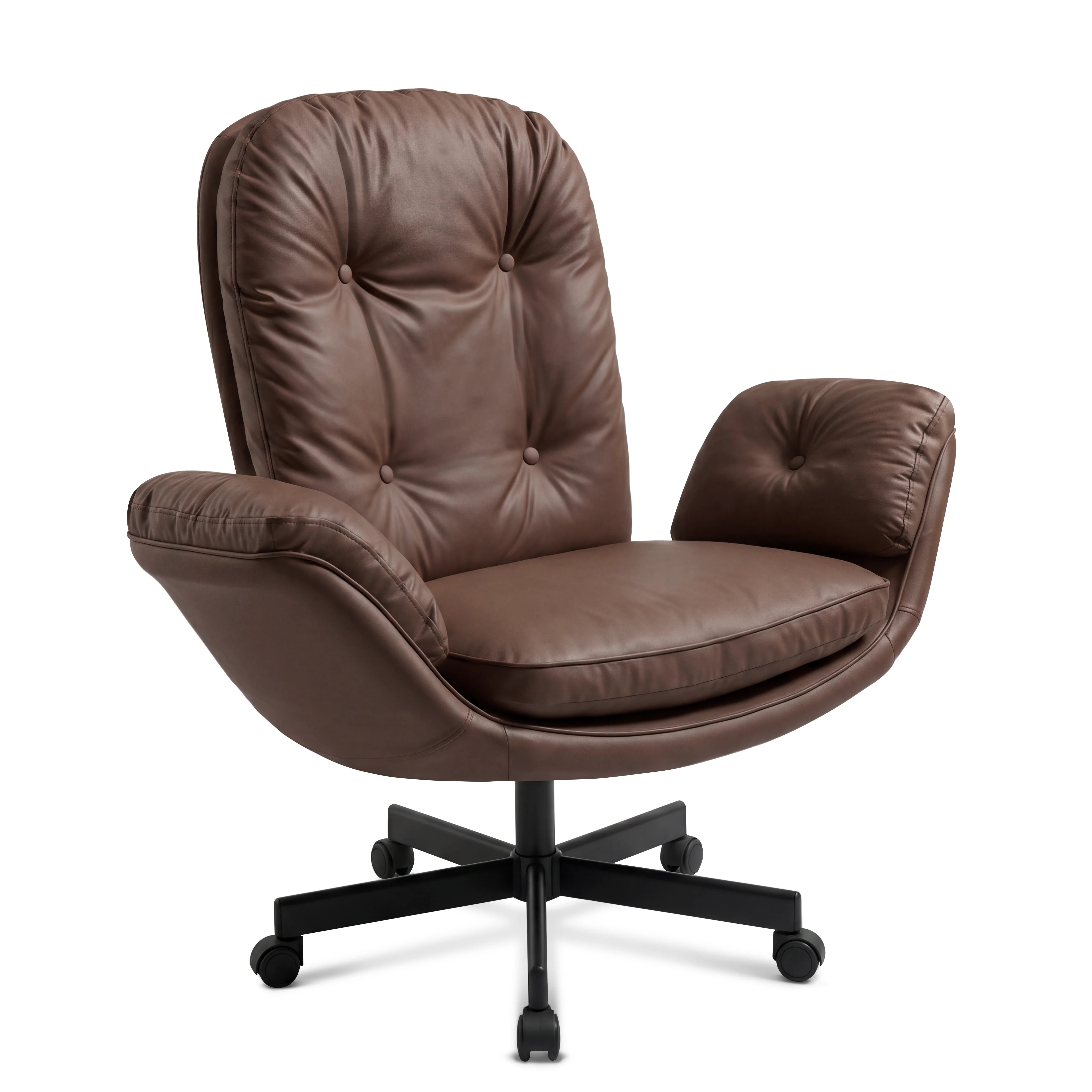
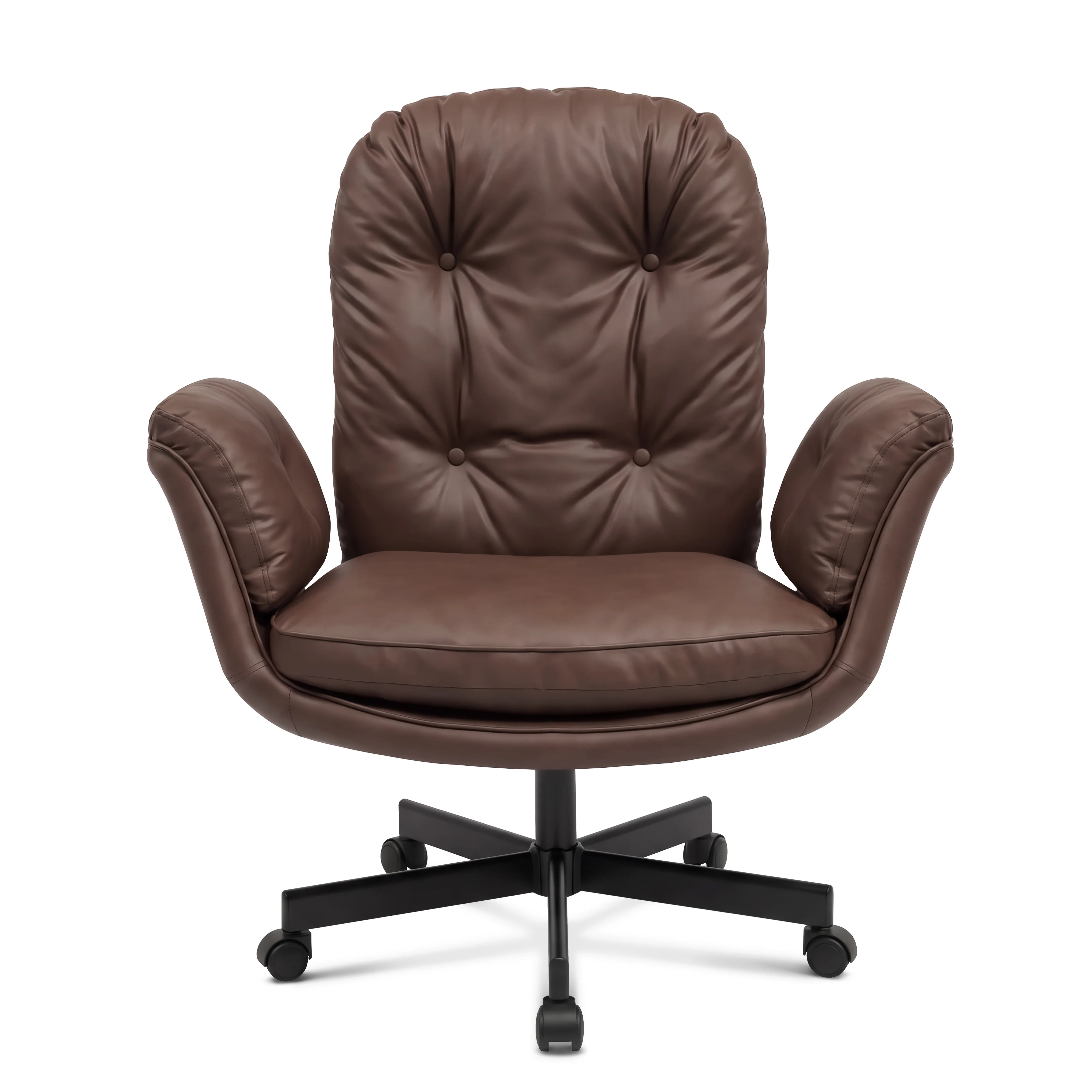
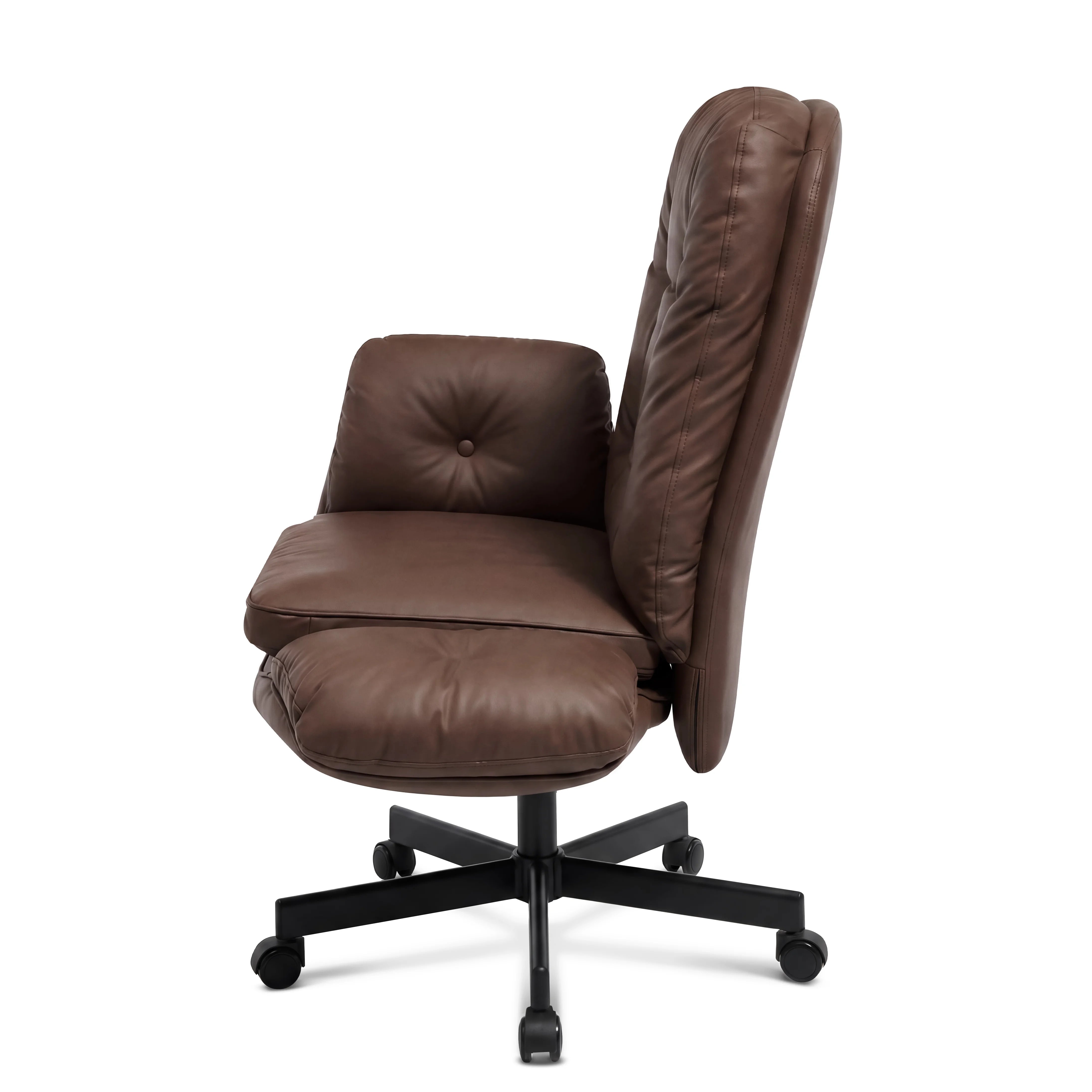
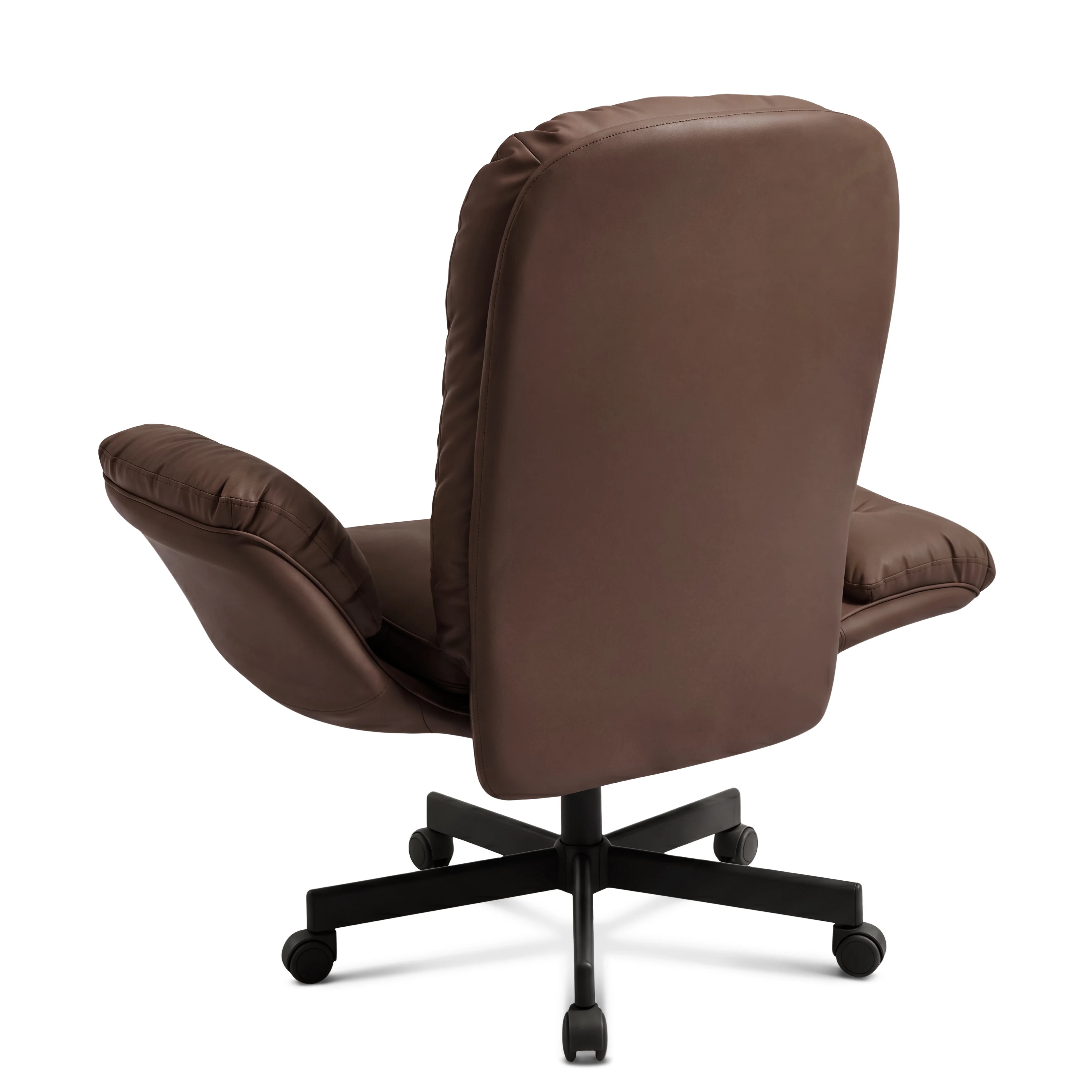
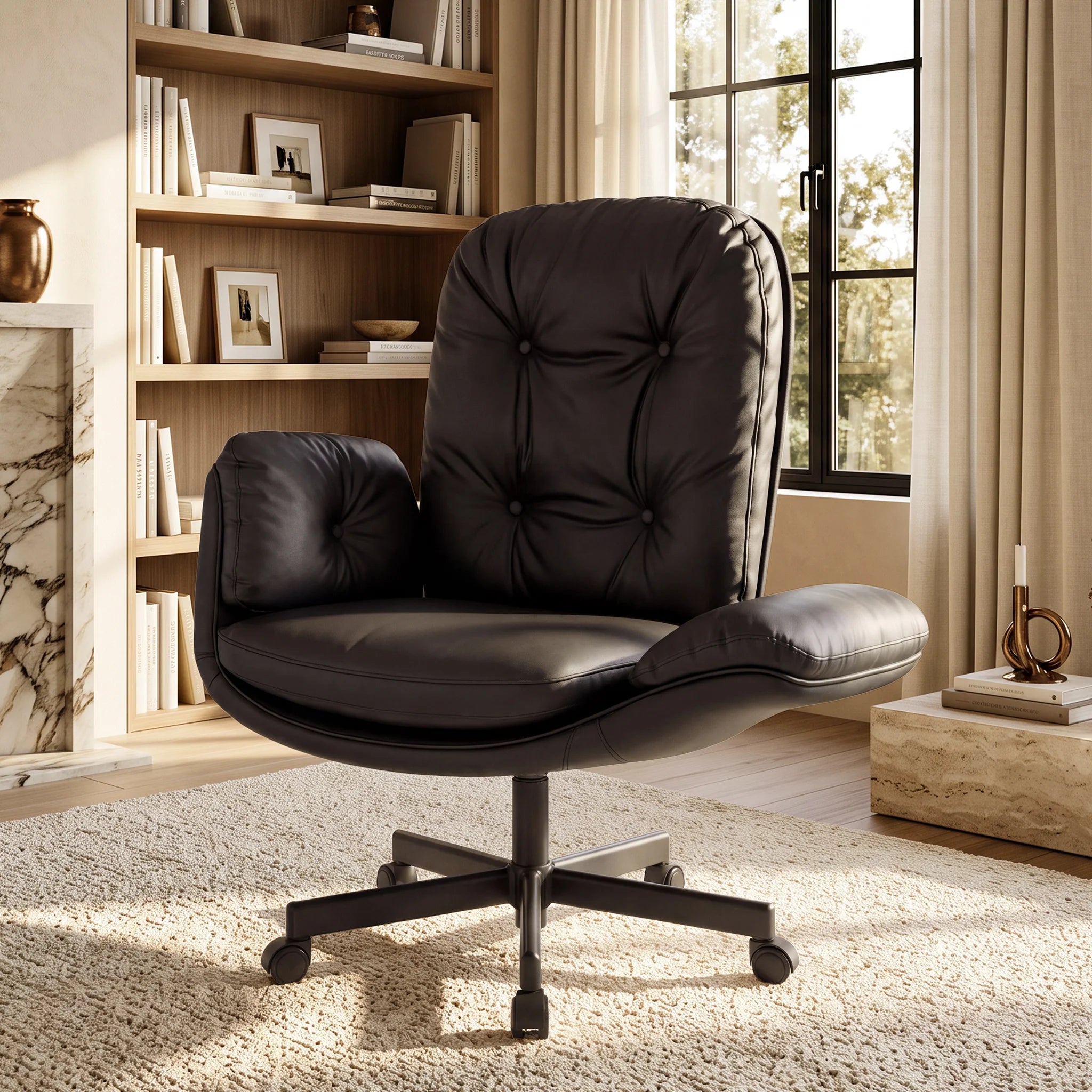
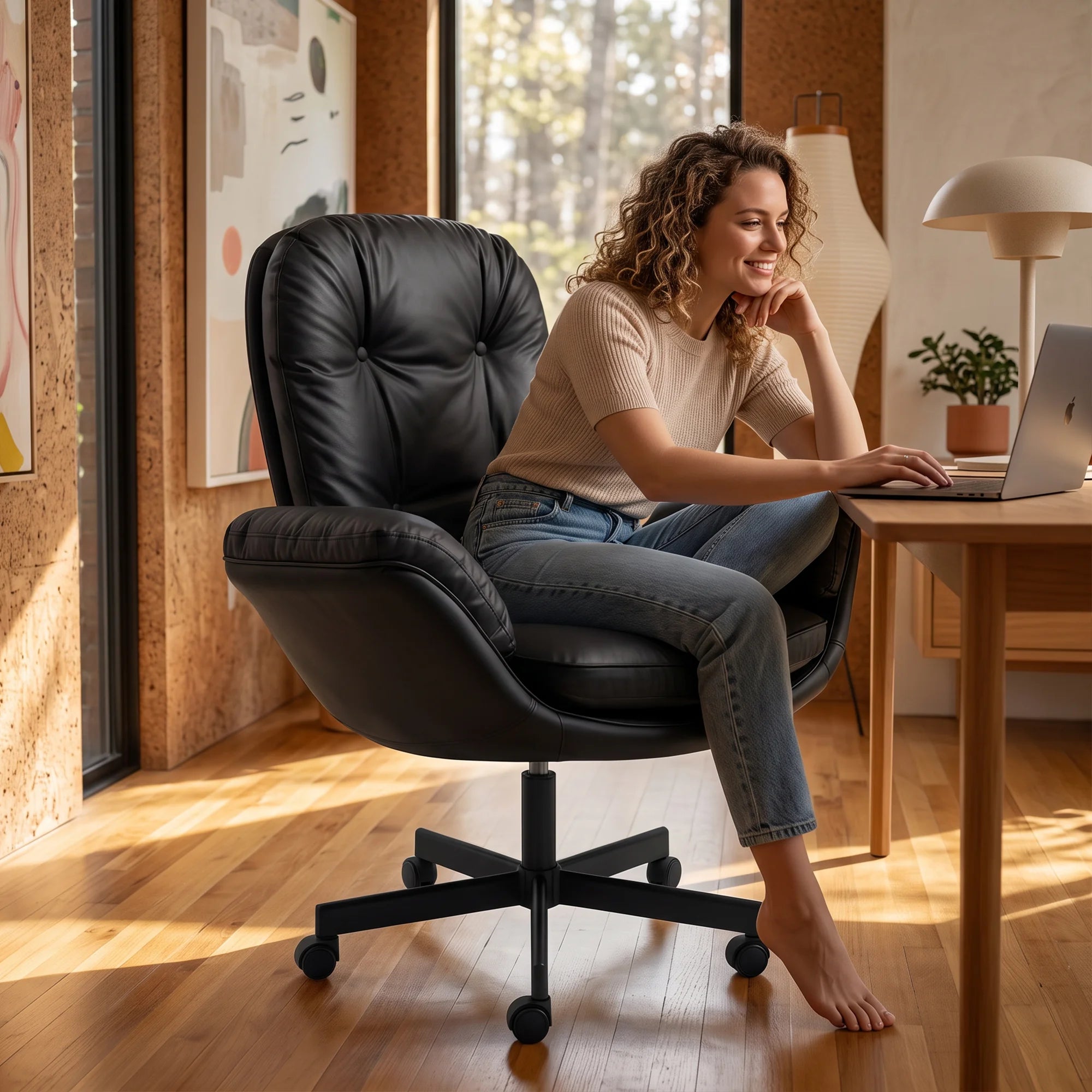
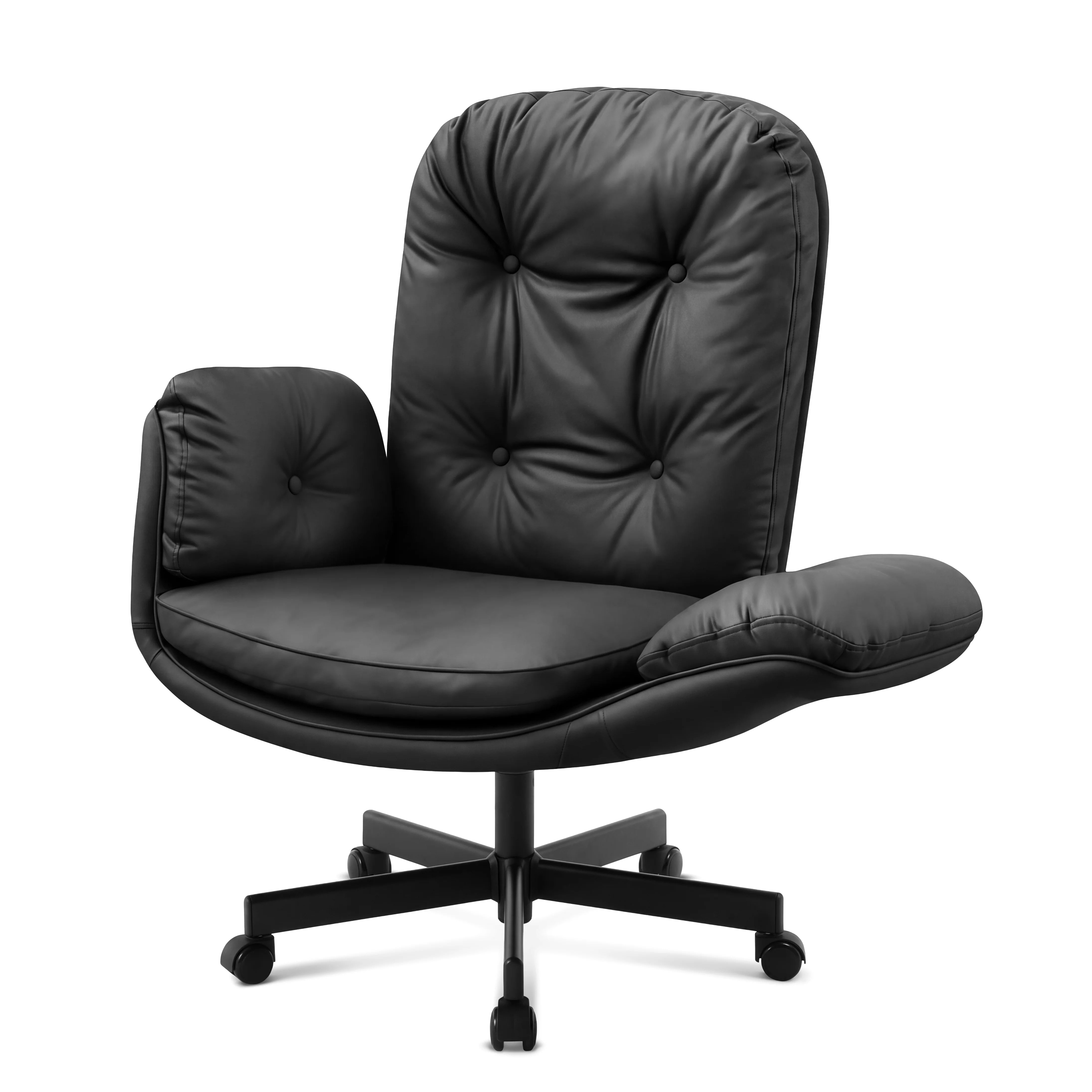
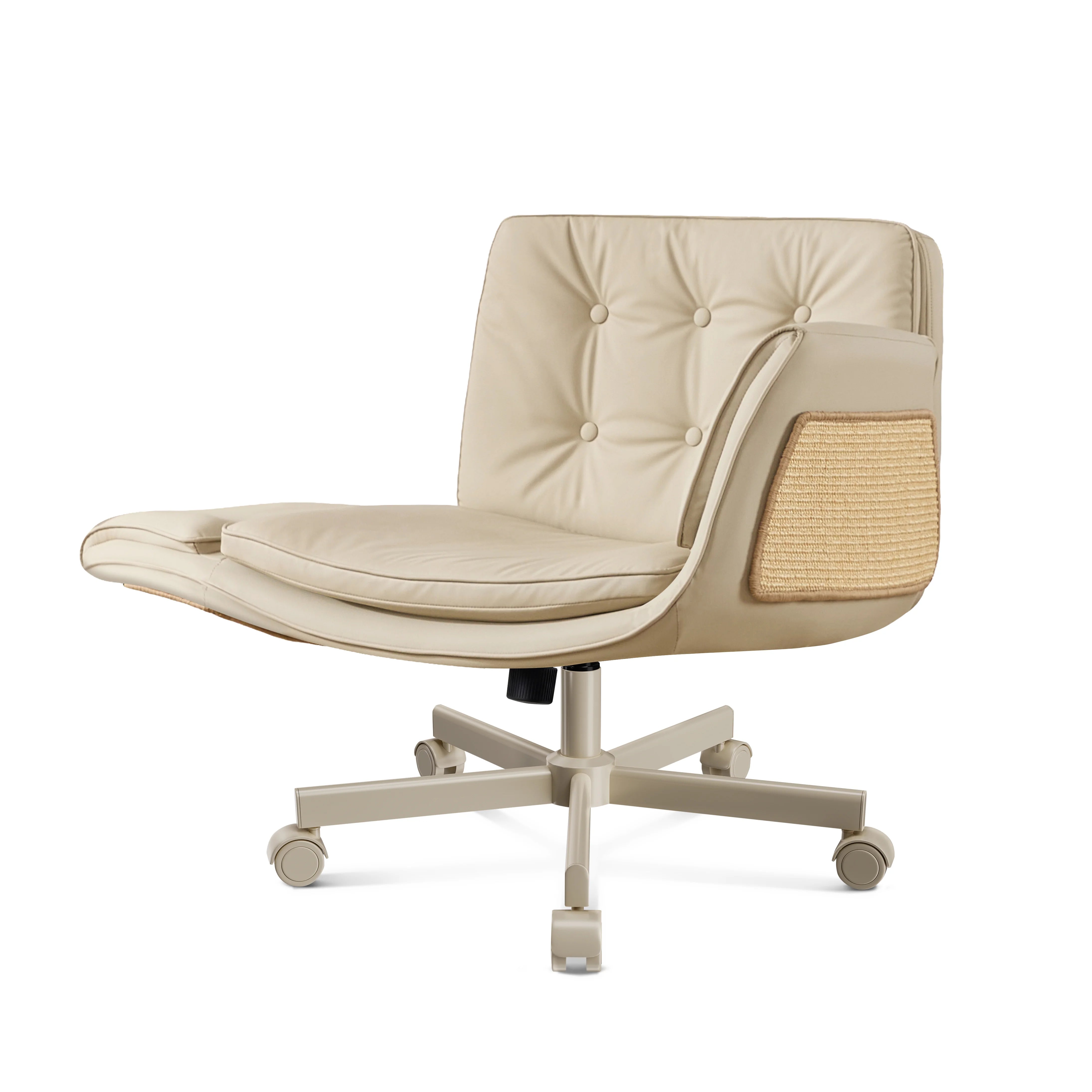
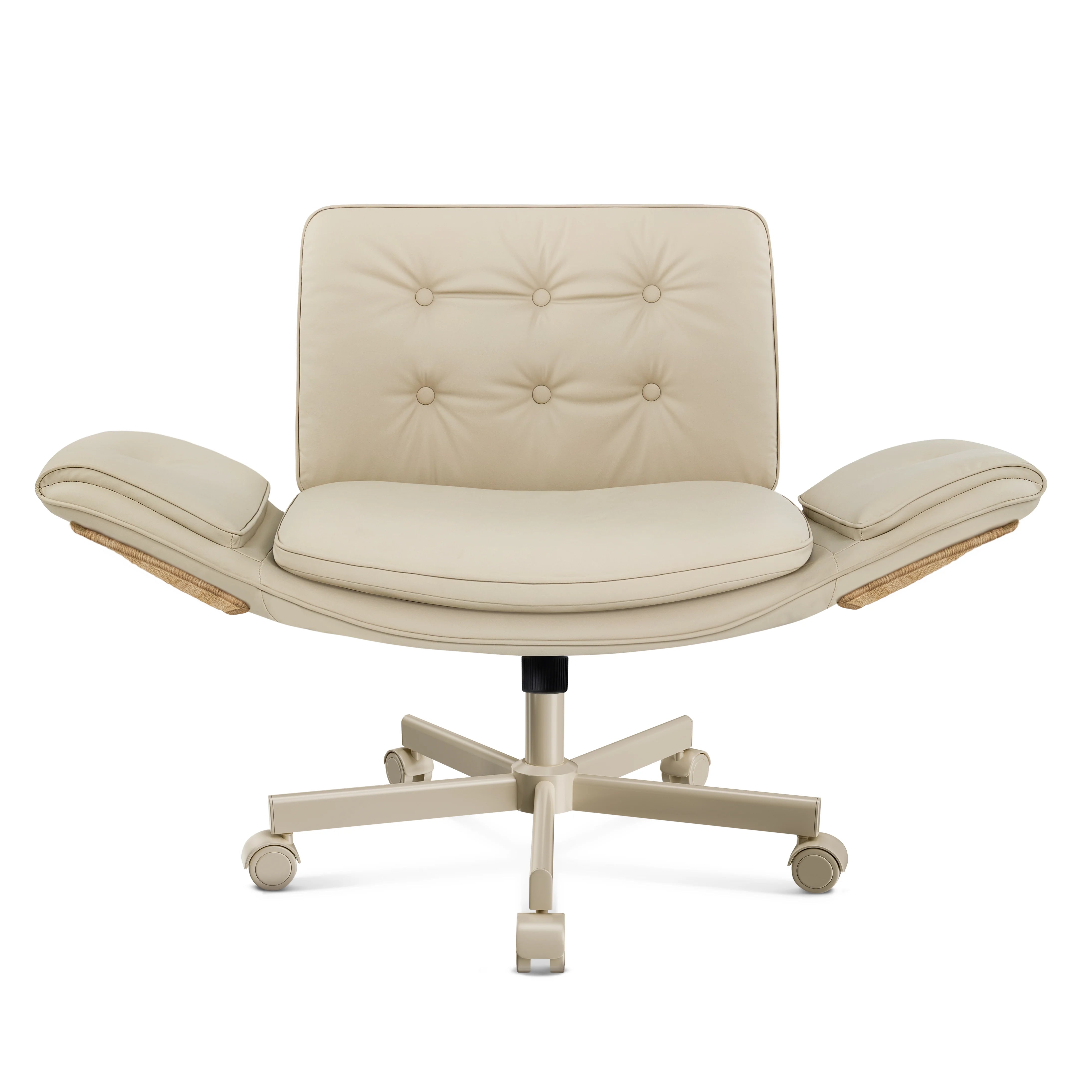
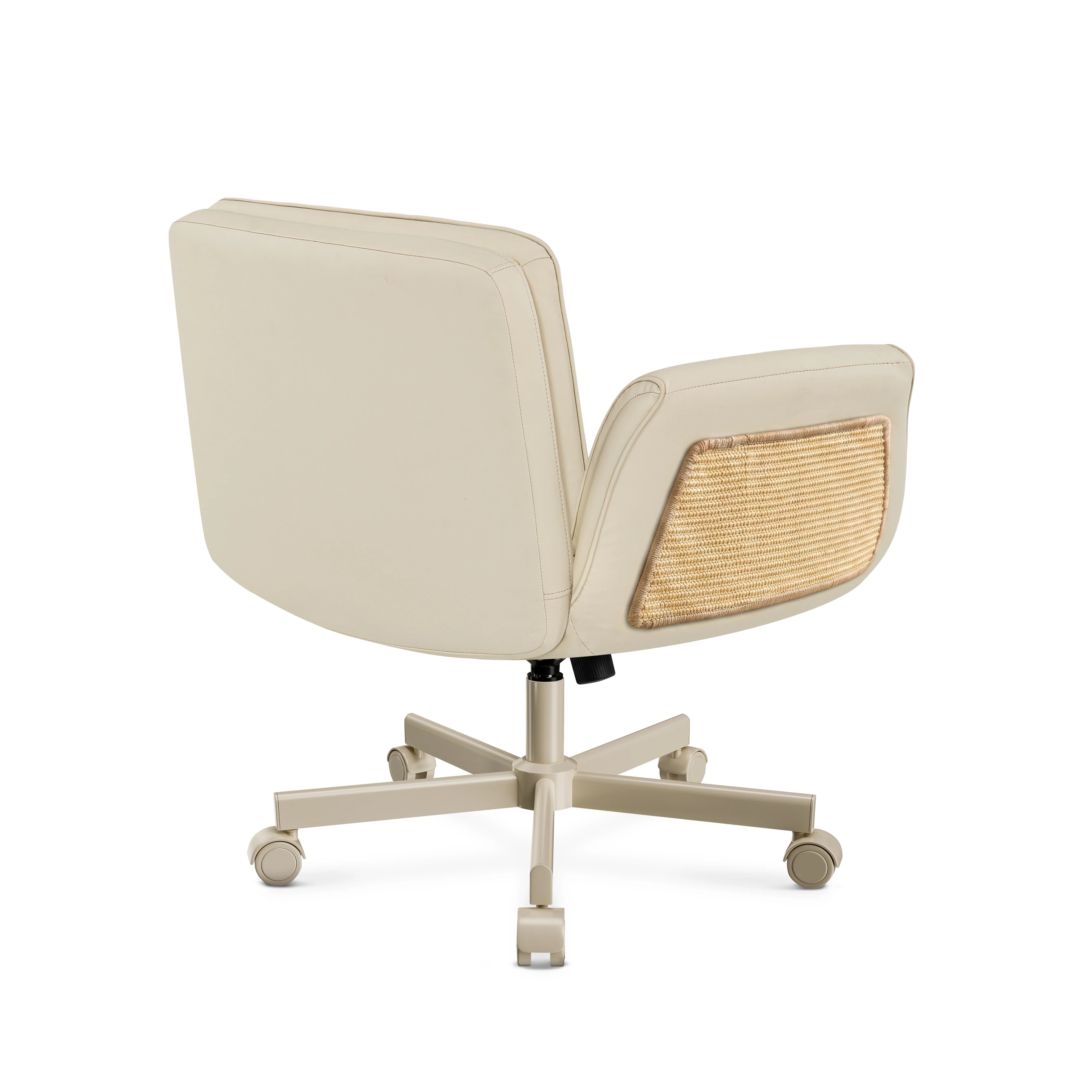
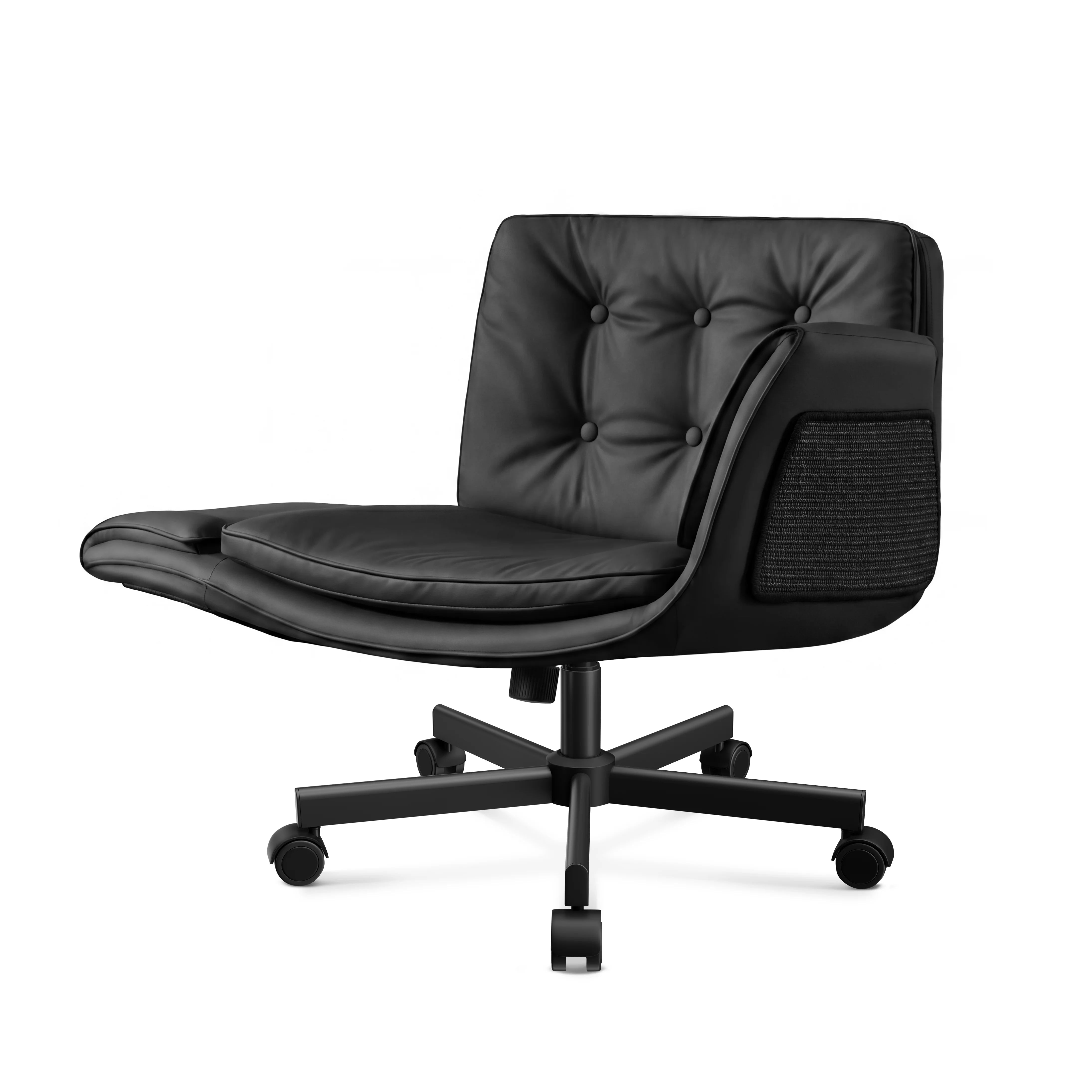
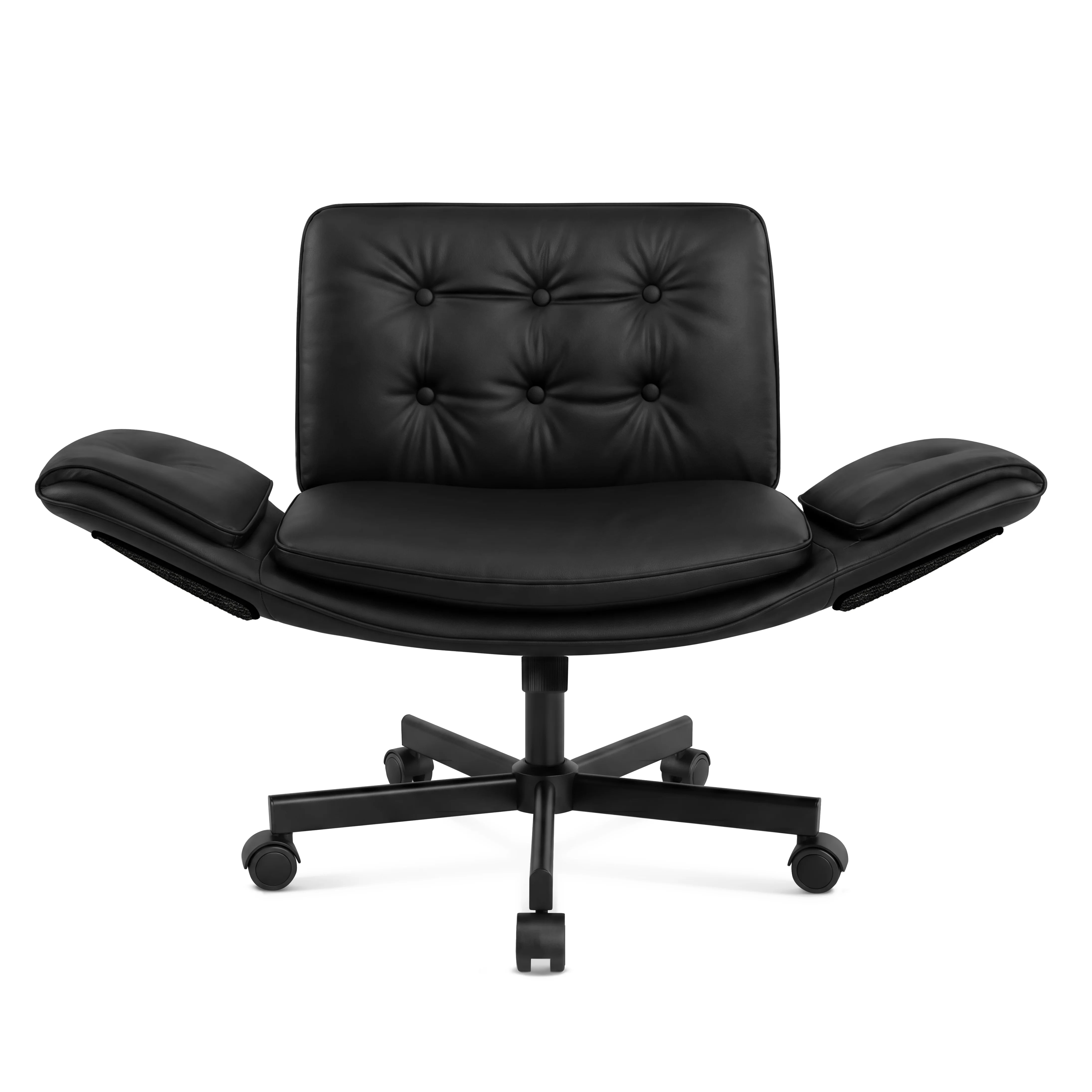
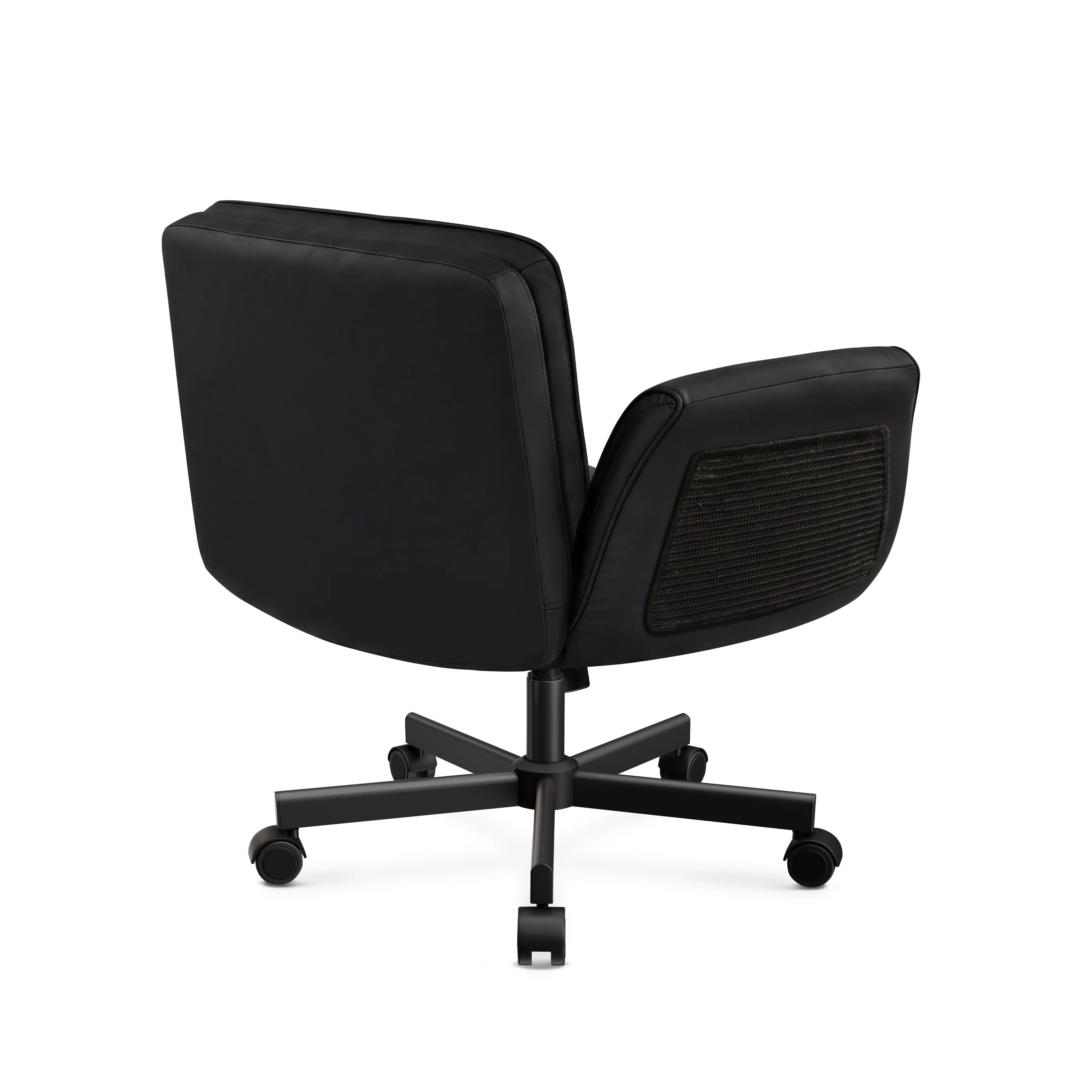
You can see how that plays out in a wide seat built for cross-legged sitting on our Paw Chair page, where the surface is specified as scratch-resistant and waterproof PU rather than described as generically pet friendly.
Confirm These Specs Before You Order
Everything above collapses into one checklist. Send it to any seller, in writing, and buy only when every line earns a specific answer rather than an adjective.
- Fiber content and weave type. The material name and the construction, in the same answer.
- Abrasion score plus the test method. Wyzenbeek or Martindale, with the number, and any snag-resistance information the seller holds.
- Cleaning code, approved cleaner and colorfastness after cleaning. All three, because a code alone doesn't tell you how the fabric behaves on the fifth cleanup.
- Cover removability. Whether covers zip off, whether replacements are sold, and what they cost.
- Chemical disclosures and certifications. PFAS, flame retardants and formaldehyde, with the certification's scope stated for the product.
- Warranty terms. Frame, seams and moving parts, listed separately, since that's where pet wear turns expensive.
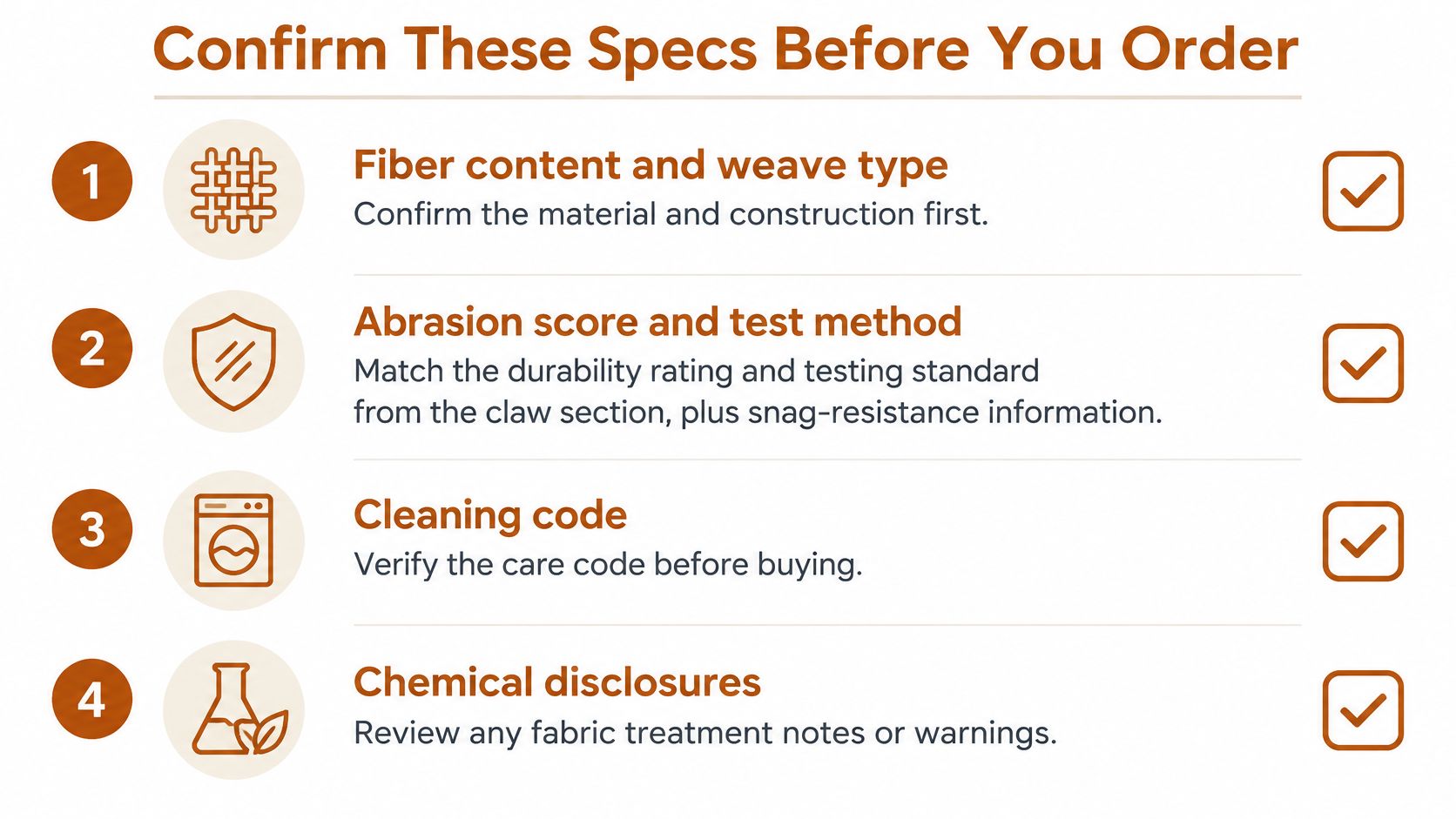
Until an answer is printed on a spec sheet, treat it as a claim rather than a property. A salesperson saying "that's fine for cats" and a document stating a Martindale result are two different levels of evidence, and only one survives a dispute eighteen months later.
Test it with your actual animal
The return window is the most underused tool in furniture buying. During the first week at home, check three things against what the spec promised: claw marks on the arms and back, how a spilled glass of water behaved, and how much hair a single pass with a rubber brush lifts. Keep the piece only if the results match the paperwork. If the fabric snags on day three, you've learned it while returning is still free.
For materials that can't be wiped down, ask for the care routine in writing and rehearse it on delivery day. Pile weaves demand more than a wipe: our Nook Chair's soft-touch corduroy, for instance, should be vacuumed regularly with a soft upholstery attachment, and spills should be blotted immediately with a clean, dry cloth without rubbing. Knowing that routine before the first accident beats discovering it afterward.
An example of a spec sheet that answers several lines at once: our Paw Chair uses a faux leather (PU leather) that is scratch-resistant and waterproof and wipes clean in seconds, it carries BIFMA certification for commercial-grade durability, and it comes with a 5-year warranty covering all core structural components and moving mechanisms. Those are the kinds of statements worth asking every seller to match.
If you're still unsure which question to ask first, our FAQ page covers the basics of ordering, shipping and care so you can spend your energy on the material decision itself.
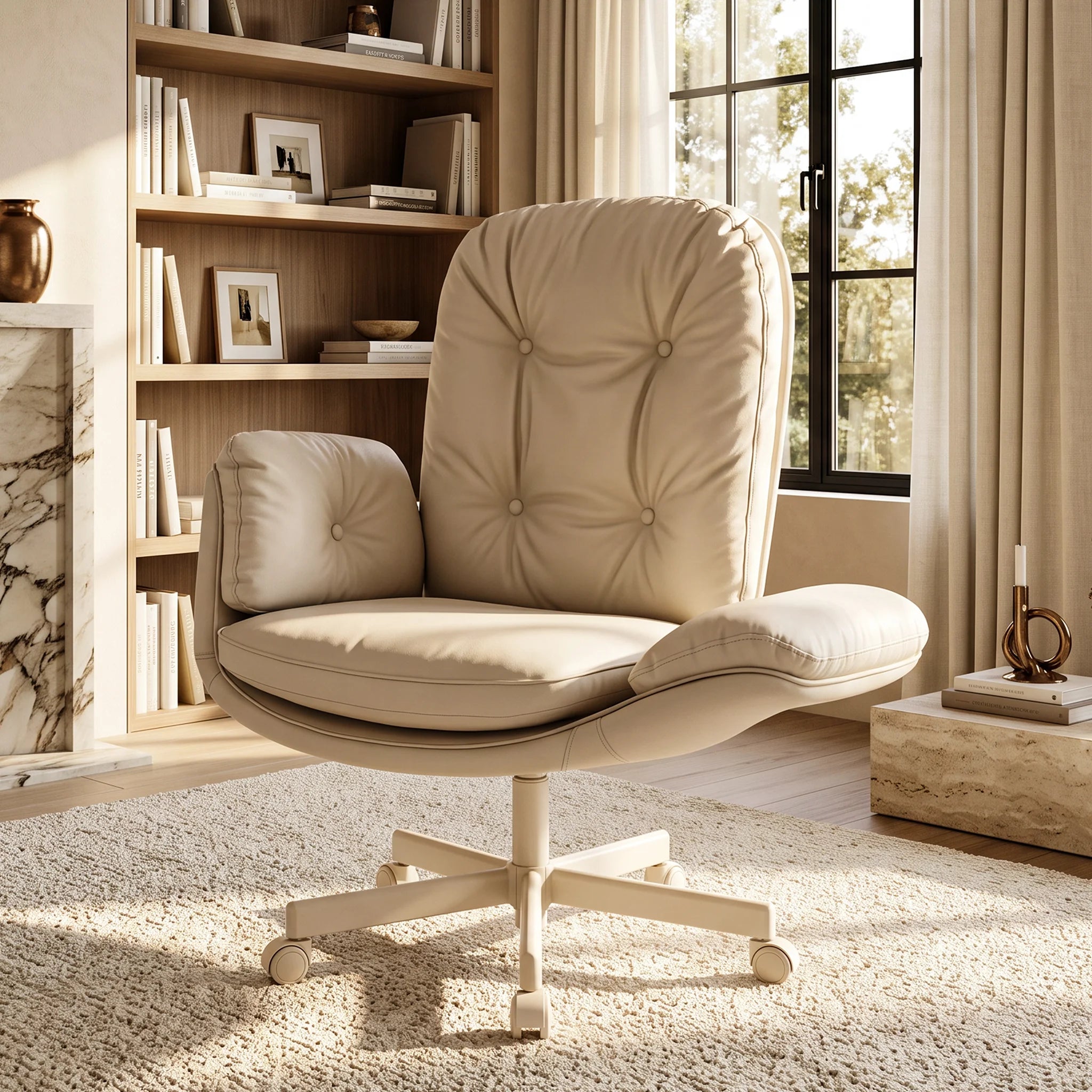
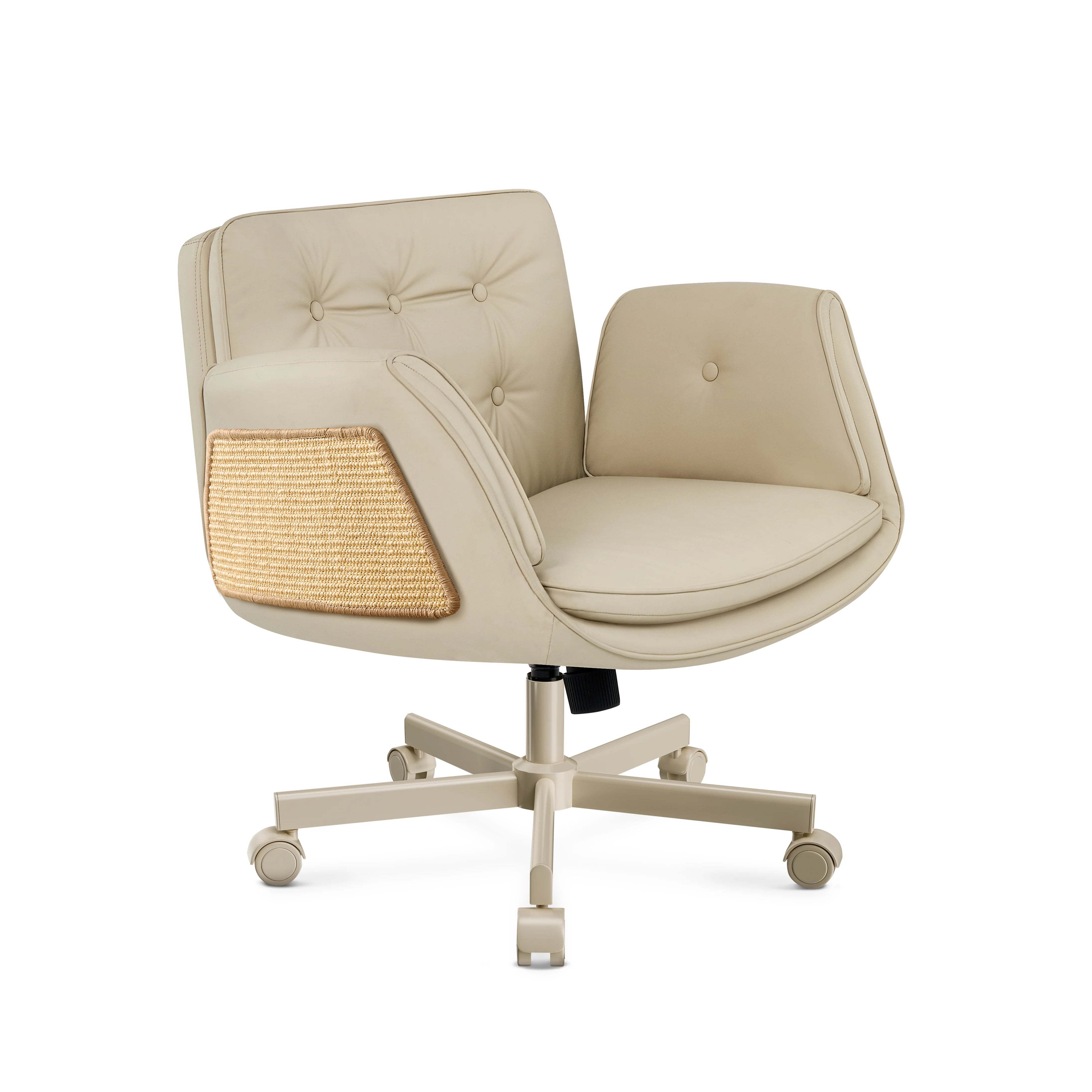
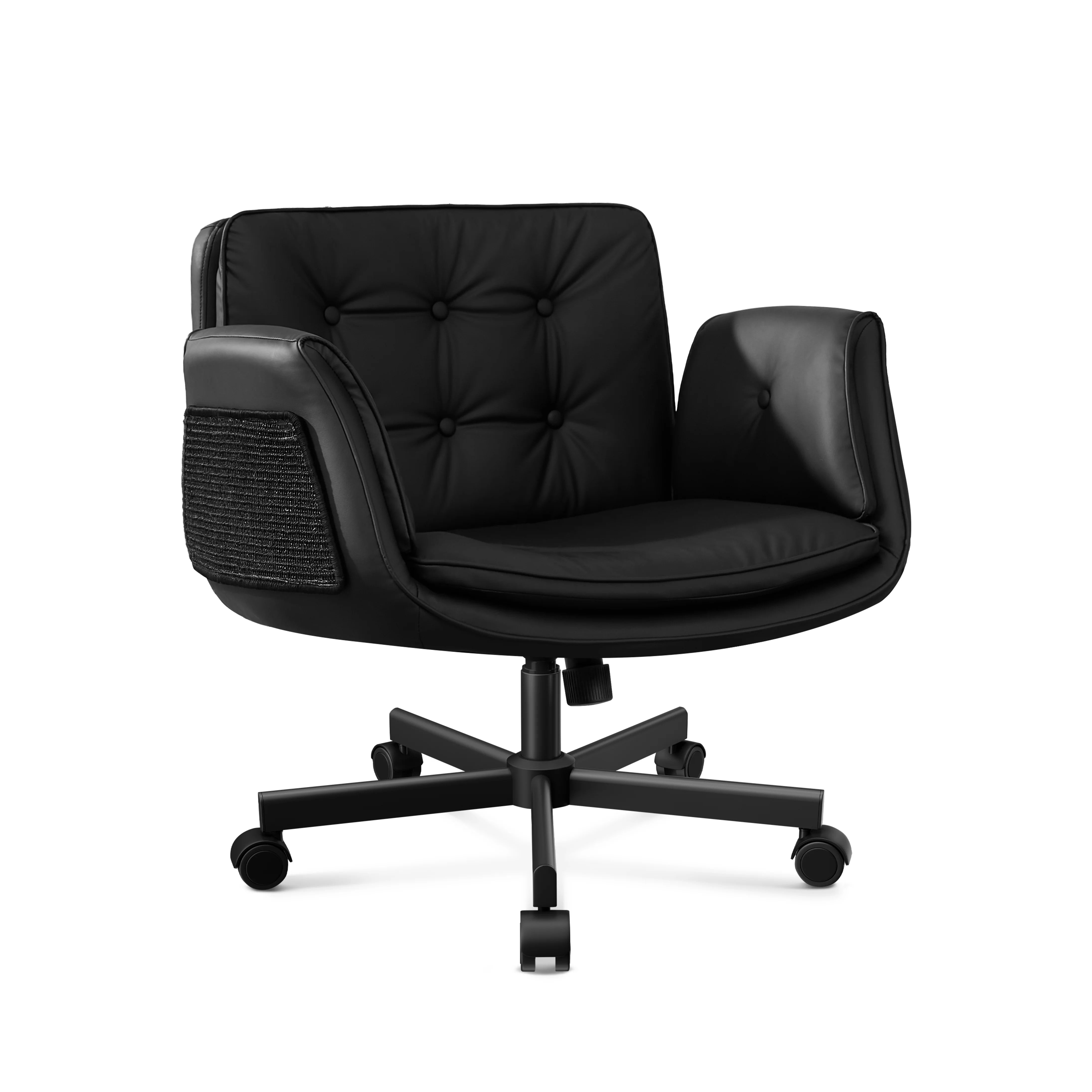
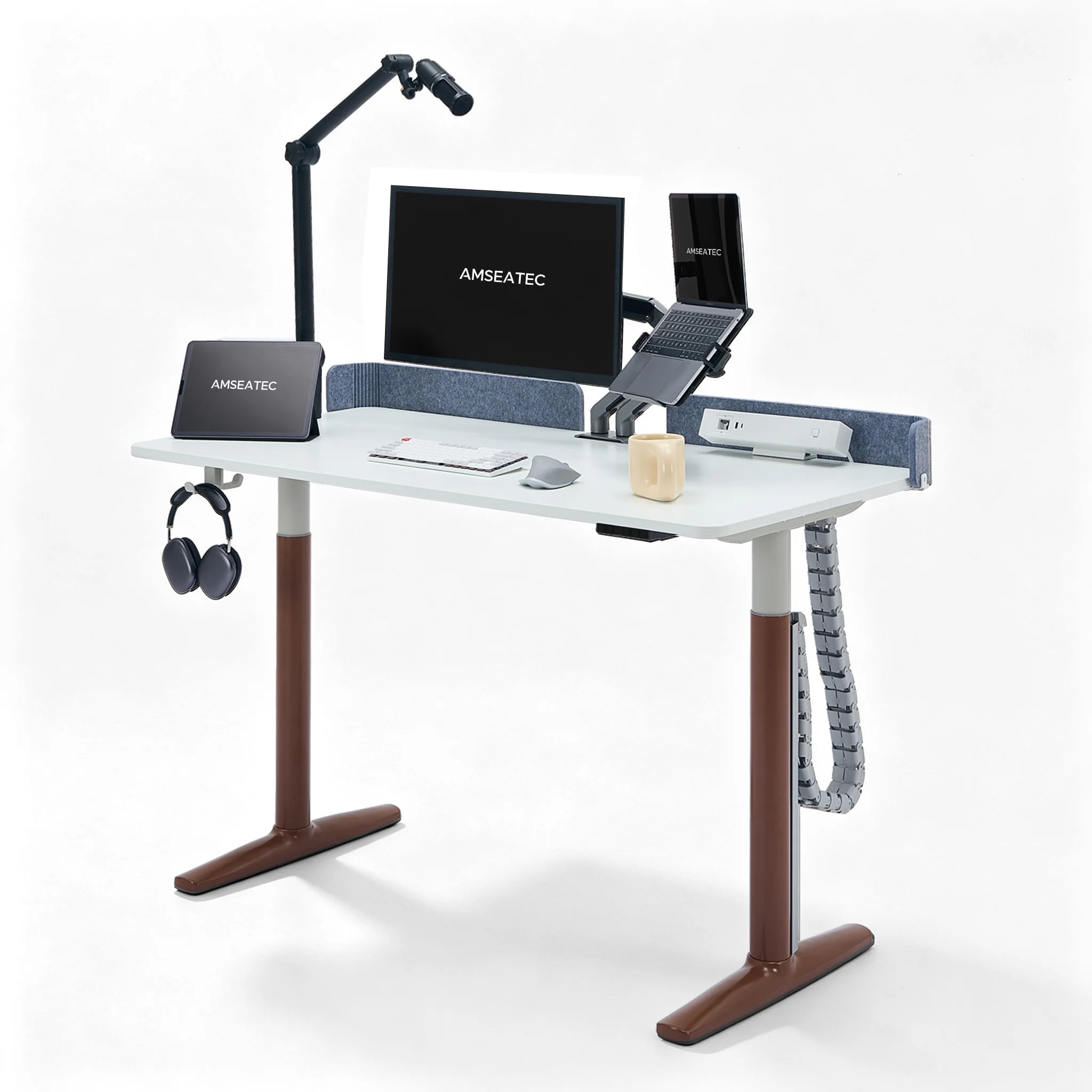
Amseatec sells pet-friendly seating and electric standing desks for home workspaces, and the material conversation lives on the product page rather than behind a label. The Paw Chair pairs its PU surface with a built-in scratcher, and the Cove Chair uses a premium PU leather cover designed to resist cat claws and spills, made with 100% non-toxic materials. Browse the Amseatec collection to compare their specifications side by side, and if you have questions about any piece, reach out through the contact page before you order.


